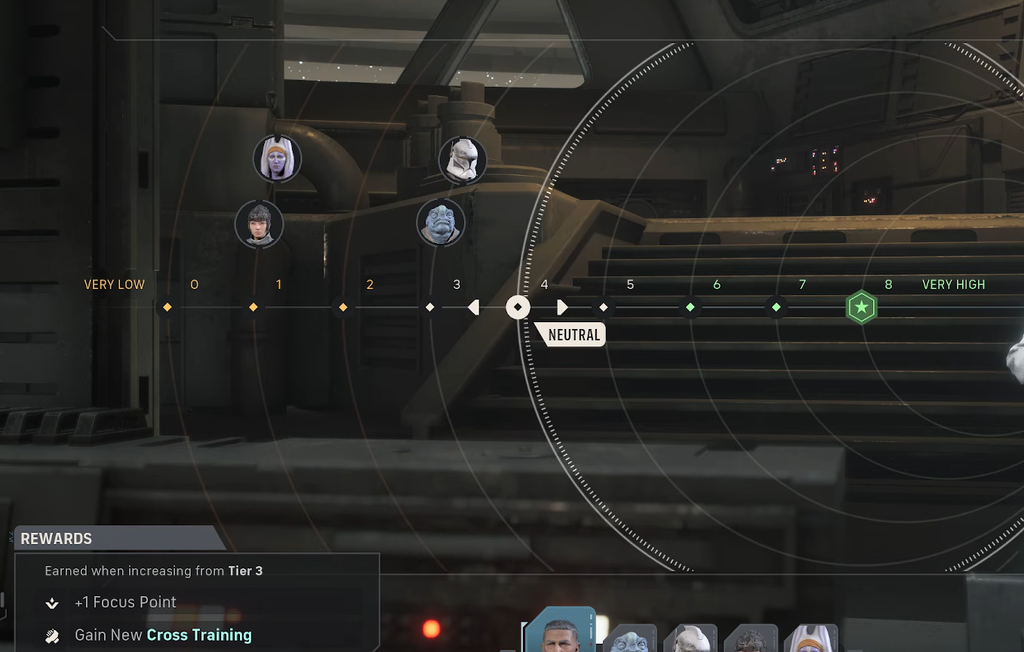
Bonds in Star Wars Zero Company track how well two operators work together, and raising them is one of the most direct ways to make your squad stronger. A higher bond unlocks Cross Training, hands out Focus Points, and opens up better combat synergies between the operators you rely on most. The relationship between any two characters sits on a scale from 1 (lowest) to 8 (highest), and it can move in either direction depending on how you play.
Quick answer: Keep the same four operators together across combat missions and assign the same pairs to Operations. Repeated shared missions are the fastest source of bond experience, and support actions like healing and Call for Backup speed it up further.
What a higher bond gives you
Bonds are the relationships you and your operators build with one another, and each pair starts at an initial standing that is usually neutral or negative. As two characters spend time working together, their bond level climbs, and every level advance unlocks new rewards.
The main payoff is Cross Training. Once a relationship gains a level, those two operators can train together, and you pick from three options that grant a passive benefit to both. Examples include increased grenade damage, a better critical hit chance, and higher overall health. On top of that, raising a bond awards Focus Points to the operators involved, with the highest bond levels giving a substantial amount that you can pour into class-specific talents.
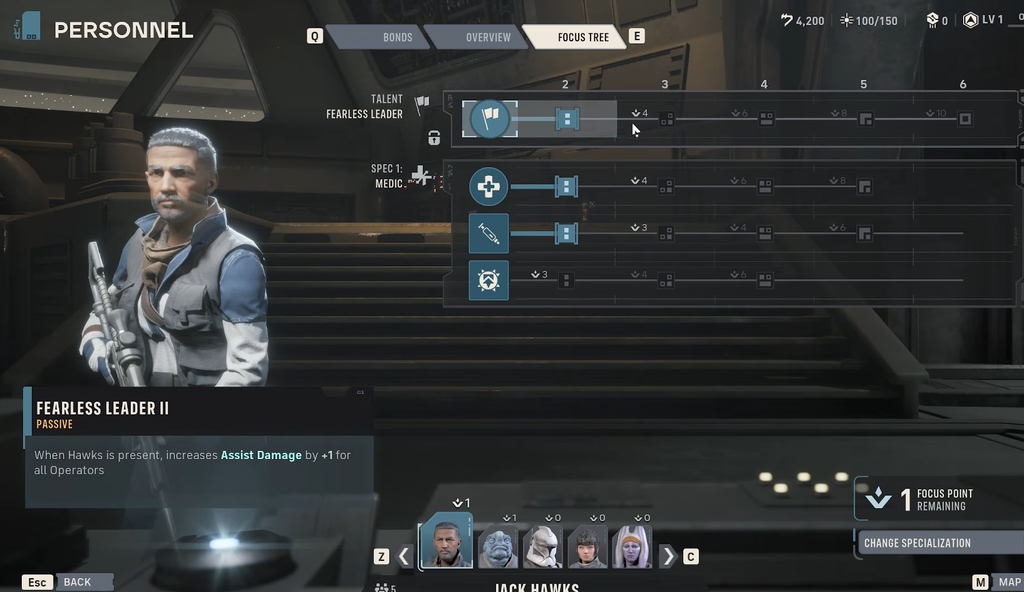
You can check where any pair stands in the Personal section under the “Bonds” sub-tab, and bonds are managed through the Personnel Facility. Each level needs a set amount of bond experience before it advances, so consistent effort with the same operators pays off faster than spreading it thin.
Every way to raise operator bonds
| Method | How it builds bond |
|---|---|
| Combat missions together | Operators who finish a successful mission as a team gain bond experience with each other. |
| Operations together | Non-combat assignments raise the bond of every operator you assign to them once completed. |
| Support actions in combat | Healing an ally and using Call for Backup increase the bond between the operators involved. |
| Dialogue choices | Picking the right options in conversations raises a bond; wrong ones can lower it. |
| Cross Training | Training together is itself a bond reward and reinforces the relationship. |
| Teamwork node in The Den | Passively raises the bond of every operator not currently on a mission. |
| Dilemmas | Story decisions shift Hawks’s bond with operators up or down depending on your choice. |
| Main story progression | Advancing the campaign naturally moves certain bonds. |
Missions and Operations are the fastest sources
Your two most reliable methods are Operations and combat missions. Both reward the operators you bring along, so squad selection matters far more than swapping your roster around before every deployment.
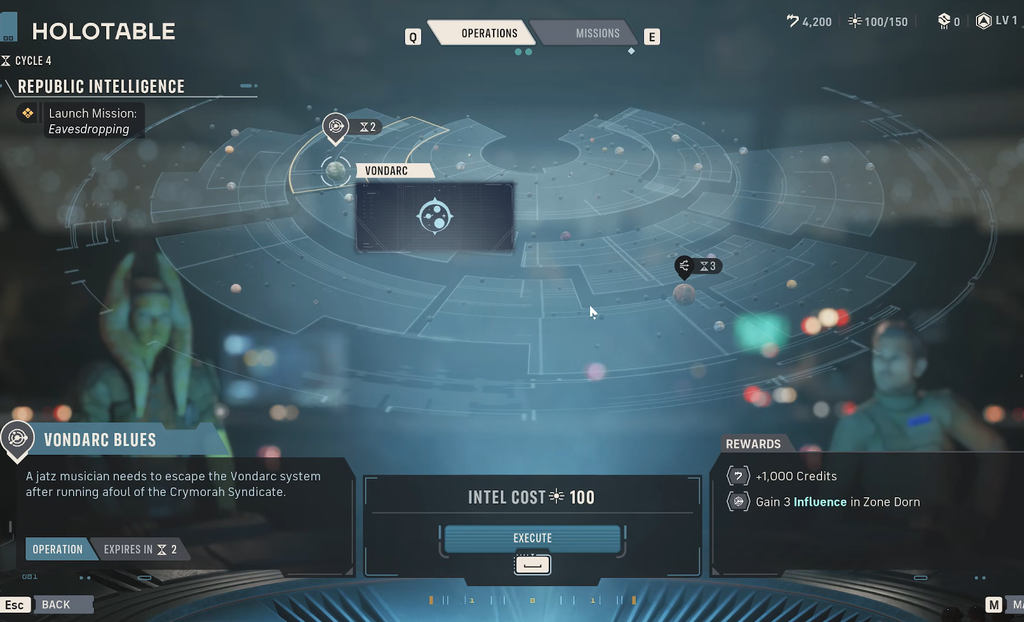
Operations and Tactical Missions have a limited window before they disappear, so plan your Intel and squad choices around what you want to complete each cycle.
Support actions that add bond during combat
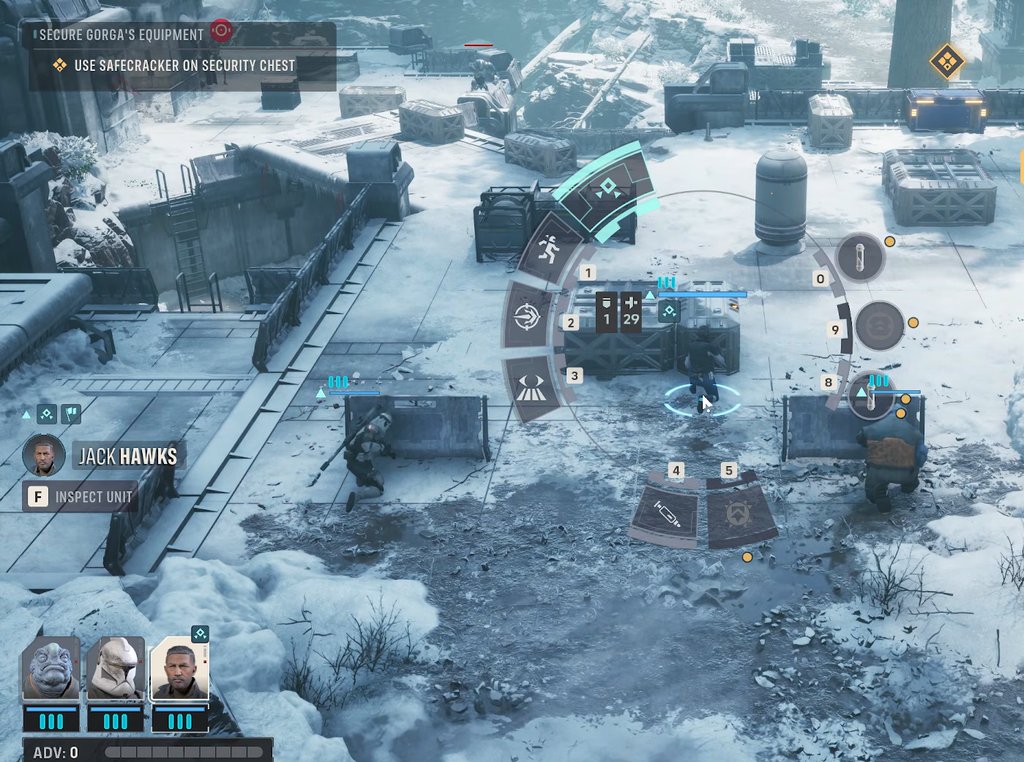
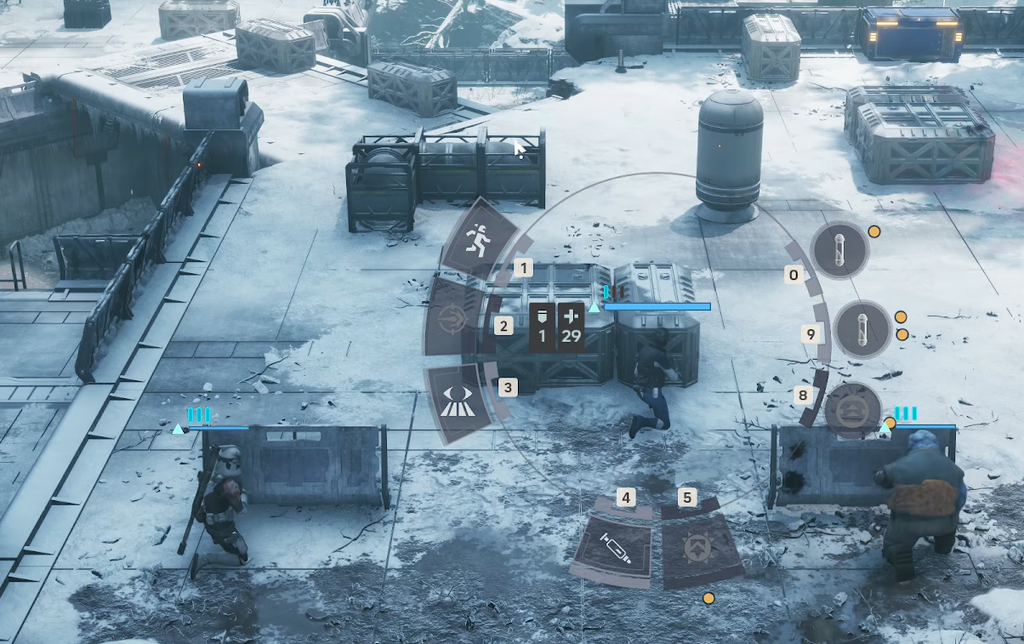
Beyond simply finishing a mission, specific in-combat actions push bond experience higher between the operators involved. These stack naturally on top of the mission reward, so they are worth using every turn you can.
Healing raises the relationship between the healer and the operator being healed, which gives medics and support characters a steady way to scale their bonds. Prioritize keeping wounded allies topped up rather than letting them ride at low health.
Call for Backup is the other key action. It costs no Action Points and lets another operator contribute to the next attack without spending their own turn. Because it is free, use it whenever the opportunity comes up to both pressure tough enemies and grow the bond between the operators taking part.
Passive bond gains from The Den
Upgrading the Teamwork node in The Den passively increases the bond level of every operator who is not currently out on a mission. It grants 5 XP per operator, which is small on its own but adds up over time, especially across a large roster of characters you rarely deploy. Picking this upgrade early lets your bench keep gaining bond while your main squad handles missions.
You can also raise bonds by speaking with operators in The Den between missions and by selecting the right dialogue options in those conversations. Check in regularly, since progressing the main campaign moves certain bonds as well.
How Dilemmas and dialogue can lower a bond
Bonds can drop as well as rise. The biggest source of lost bond experience is a Dilemma, a meaningful story decision you make during the campaign. Each Dilemma presents three choices, and every choice raises or lowers the bond of operators on your team. Hawks’s bond improves with the operator he sides with and may fall with others.
Wrong dialogue choices in conversations and certain story moments can also cost you bond experience. If you have a preferred rotation, weigh Dilemma choices toward keeping those operators’ relationships with Hawks high, since that core group benefits the most from the Cross Training a strong bond unlocks.
How to confirm a bond went up
Open the Personal section and look at the “Bonds” sub-tab to see each pair’s current level and how much experience remains before the next advance. When a bond crosses a level, the two operators become eligible to Cross Train, and you will be offered the three passive options along with Focus Points for those characters. If the Cross Training prompt appears and the level reads higher than before, the bond increase registered correctly.
The practical takeaway is consistency. A settled squad that runs missions together, leans on healing and Call for Backup, fills its downtime with Operations, and picks Dilemma choices carefully will climb the 1-to-8 bond scale far faster than one that reshuffles every deployment.