
Permadeath sits at the center of how Star Wars Zero Company handles your squad. Operators who fall in battle can be lost for good, and the story keeps moving with or without them. The setting is switched on the moment you start a new playthrough, so it helps to understand exactly how a death happens before you decide whether to keep it.
Quick answer: Permadeath is enabled by default and can only be turned off when you begin a new playthrough. An operator dies permanently after accumulating three injuries, so heal wounded crew at the medbay to keep them alive.
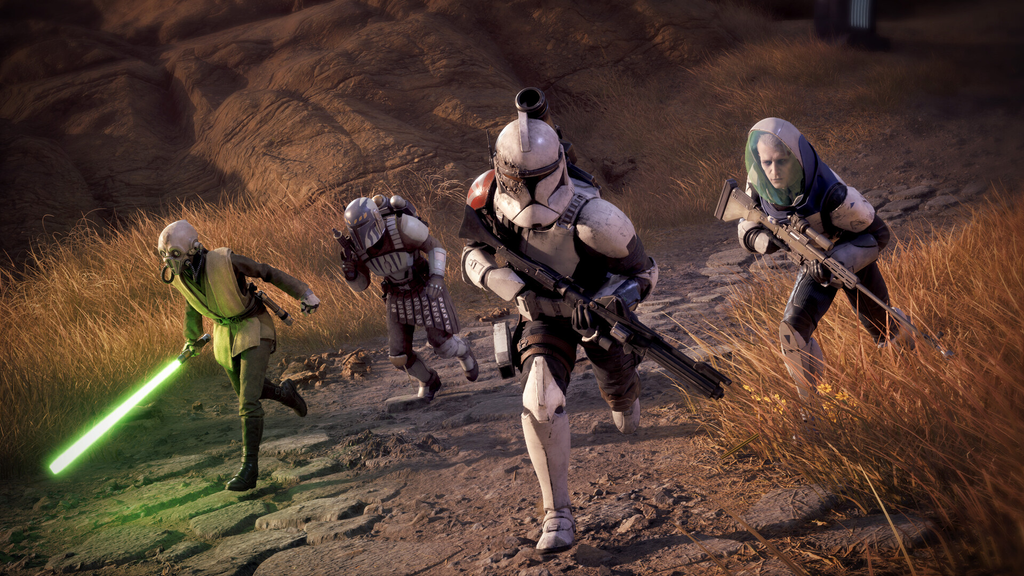
How an operator dies permanently
Death is not instant. An operator has to pick up three injuries before they are gone for good. That threshold gives you real control over who survives, because injuries can be treated rather than left to stack.
Once you unlock the medbay at your base, you can heal injuries between missions. As long as you keep sending wounded crew there, a well-leveled operator is difficult to lose. The main exceptions are the hardest difficulty setting, or simply neglecting to heal your team and pushing damaged operators back into the field.
| Condition | Effect |
|---|---|
| One or two injuries | Operator survives and can be healed at the medbay |
| Three injuries | Operator dies permanently |
| Hardest difficulty / no healing | Deaths become far more likely |
Turning permadeath off
The option to disable permadeath appears only at the start of a fresh playthrough. Bit Reactor built the game around the idea that operators can die, and the developers were open about that being the intended way to play. If you switch it off, deaths no longer stick.
Note: Because the choice is made when a new run begins, you cannot flip permadeath on or off partway through a campaign. Decide before you commit to a save.
Who can die, and who is protected
Both the custom operators you create and the authored, story-based characters share the same vulnerability once they join your team. The game maintains parity between the two, so a hand-built mercenary and a named character are equally exposed on the battlefield.
A handful of hand-crafted characters, such as the Umbaran sniper Luco Bronc, have narrative reasons that keep them alive early on. After they become a full part of the squad, that protection ends, and it falls to you to keep them breathing. The game also includes a single Jedi Padawan who can be permanently killed like anyone else.
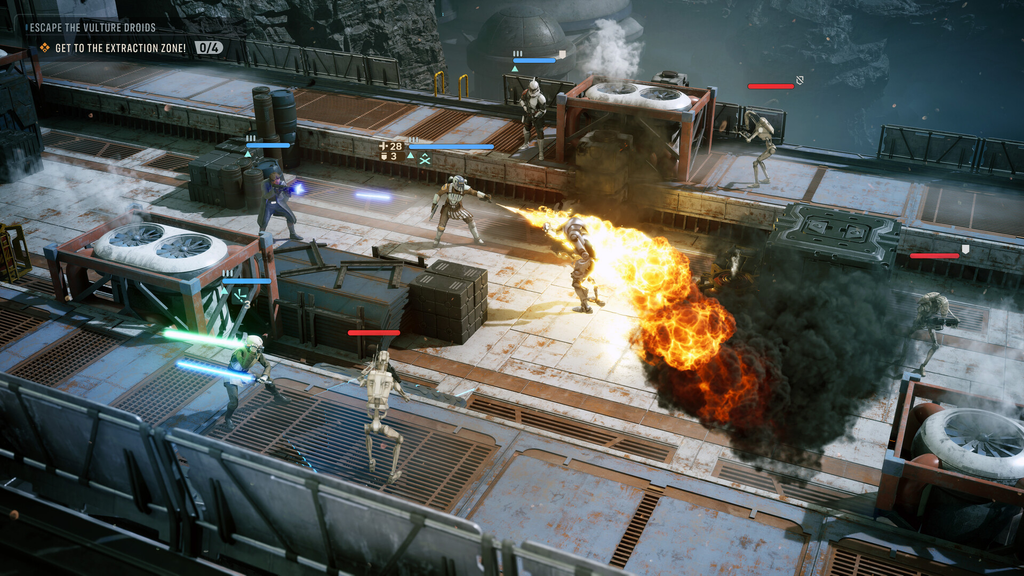
Why a death can help your squad
Losing an operator is not purely a setback. When a junior crew member dies in battle, the bonds between the survivors improve. Since operators who fight together often develop stronger ties and gain tactical synergy bonuses, a single loss can tighten the rest of the group.
There is a deliberate tactic here. You can recruit a new operator, raise their bond level to pull easy stat boosts through Cross Training, then let them fall in a mission. Doing this can lift the stats of several core crewmates faster than running a standard team of four with no losses. A rotating core of trusted operators plus one expendable recruit is a viable way to farm those gains.
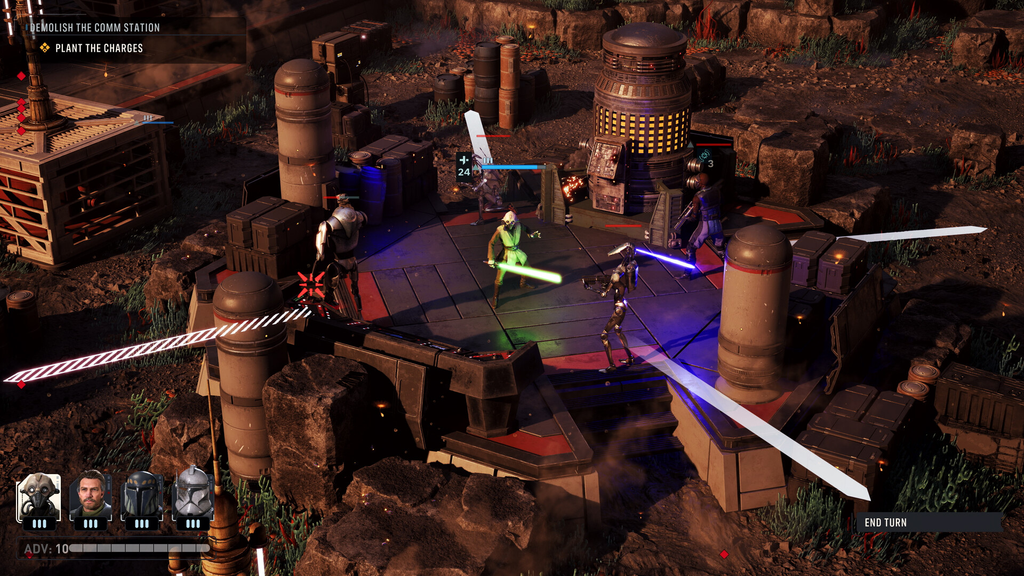
What happens after a death
When an operator dies for the first time, you unlock the “A Natural Part of Life” Trophy or Achievement. The fallen crew member is then honored on the memorial at The Den, which is how you confirm the loss registered. The campaign itself continues no matter who you lose, so a death never ends the story.
Keeping permadeath on rewards careful, deliberate play, which suits a tactics game that leans heavily on positioning and action points. If you want the intended tension and the squad-bonding payoff, leave it enabled and lean on the medbay to protect the operators you actually care about.