The campaign in Star Wars Zero Company advances through a repeating loop called a Cycle. Each Cycle bundles together everything you do at your base, the non-combat choices you make on the holo-map, and the single turn-based fight you deploy on to close it out. Understanding how these three layers connect is the key to managing time, because you cannot finish everything a playthrough offers.
Quick answer: A Cycle has three phases in order: base activities in the Den, Operations on the holo-map, then one Tactical Mission. Completing that Tactical Mission ends the Cycle and starts the next one. Operations cost Intel and can be run several times per Cycle, but only one Tactical Mission runs per Cycle.
The three phases inside every Cycle
You play as Hawks, leading Zero Company from the Den, a decommissioned cargo freighter docked at the Ring of Kafrene. Time only moves forward when you deploy on a combat mission, so a Cycle is the game’s unit of both progression and time.
| Phase | What you do |
|---|---|
| Base phase | Explore the Den, talk to squadmates, spend skill points, and manage upgrades |
| Operations phase | Choose and run non-combat Operations from the HoloTable using Intel |
| Tactical Mission | Deploy a squad on one turn-based combat mission; finishing it starts the next Cycle |
Because a mission is what triggers the clock, clear everything you want in the Den first. Once you deploy and complete the fight, the current Cycle ends and any unfinished business rolls into the next one, or expires.
Tactical Missions: one combat deployment per Cycle
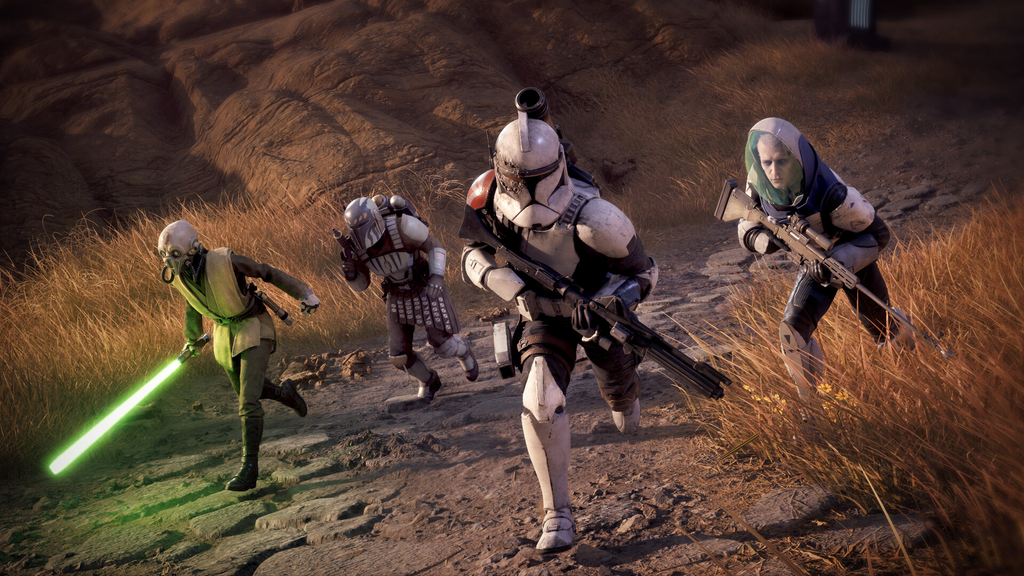
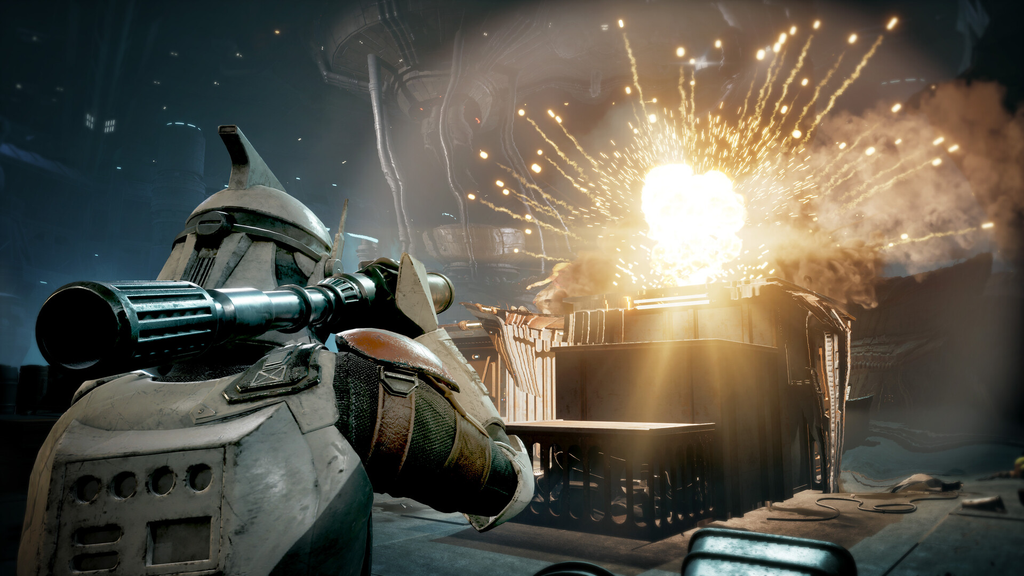
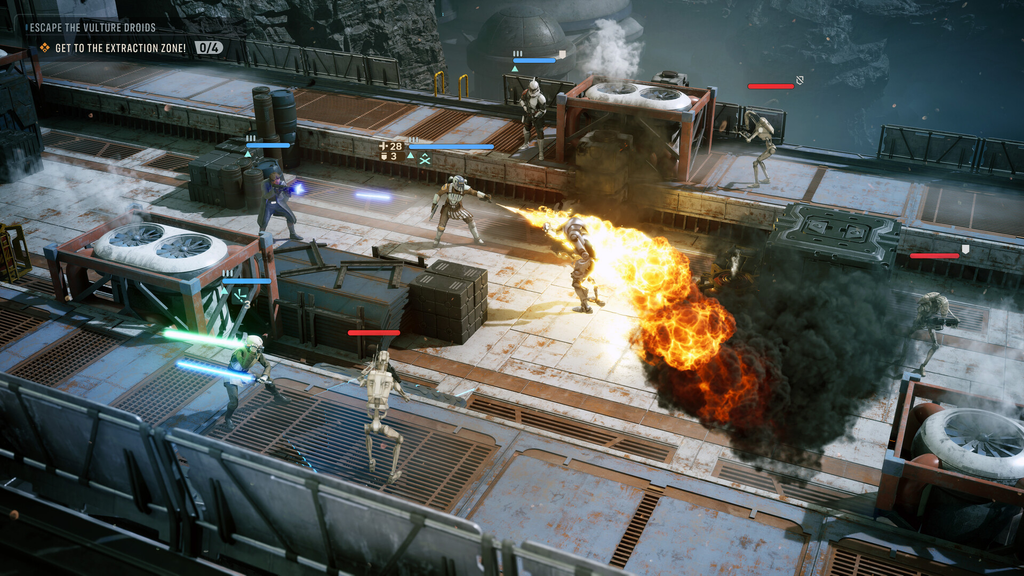
A Tactical Mission is a turn-based fight that you launch from the holo-map in the Den. You deploy up to four Operators, and Hawks is always included on story missions. Some missions hand you extra characters to control beyond the standard four squad slots.
Look for the mission nodes on the HoloTable’s mission tab. To advance the campaign, you complete a tactical mission, which is what pushes you into a new Cycle. Only one Tactical Mission can be played per Cycle.
Each mission briefing shows four things before you launch: a description, the rewards on offer, the split objectives with an explicit success condition and failure condition, and the unit requirements for the four squad slots. Story-critical characters are pre-filled into the squad.
Difficulty ratings and Critical missions
Every Tactical Mission carries a difficulty rating on its briefing. The three tiers run Risky, then Dangerous, then Extreme. The rating is a prompt to check who is healthy before committing, since a squad carrying injuries into an Extreme mission is the fastest way to lose someone. Missions marked Critical are the ones that advance the story.
Mission types
| Type | What it involves |
|---|---|
| Story missions | Drive the main campaign forward; labelled Campaign Mission on the briefing screen |
| Companion missions | Optional objectives tied to specific squad members, unlocked by talking to that operator in the Den |
| Skirmish missions | Optional combat for resources and rewards; Hawks is optional here |
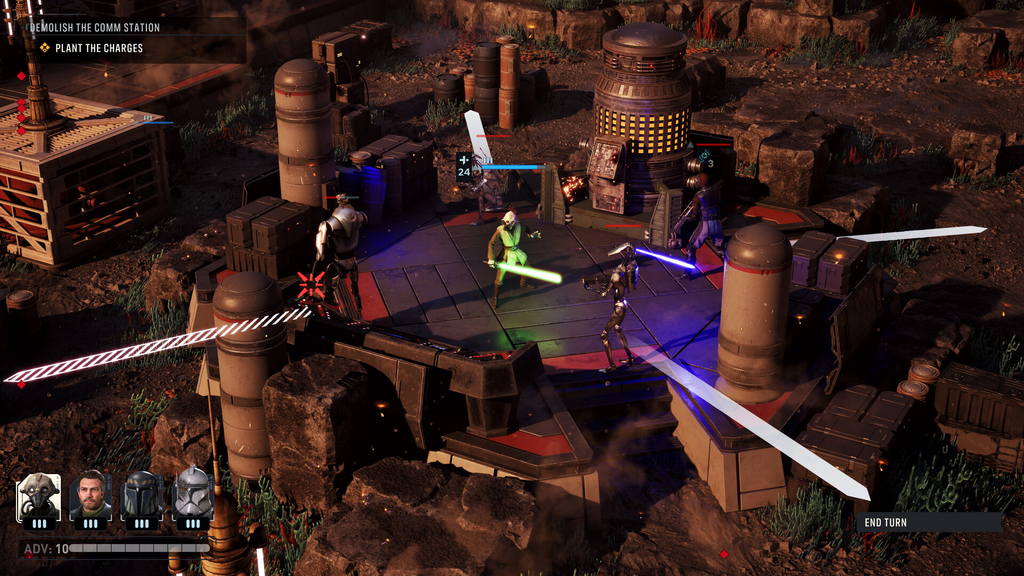
| Sabotage | Plant explosives on objectives, then evacuate |
| Rescue | Hostage situations where you extract a captive |
| Extraction | Escape the area from a pickup zone |
| Elite target elimination | Take out one or more priority enemies |
| Supply run | Hold your ground |
| Narrative | Unique stories centred on one hero |
Story missions are the most complex. They chain several separate combat encounters together with third-person exploration segments where Hawks scouts the site. These free-roam phases appear only in the main story, and exploring them grants Intel and Advantage Points for the fight ahead. Side missions are single zones with self-contained objectives, all hand-designed, with only the enemy spawns varying based on story progress.
Tip: Each objective type rewards a different approach. Overwatch-heavy play suits supply runs but works against sabotage, rescue, and extraction missions, where you need to keep moving.
Operations: non-combat choices that spend Intel
Operations are text-based assignments run from the HoloTable, and they are different from combat missions in a fundamental way. Each Operation costs Intel to launch, a currency you earn by completing Tactical Missions. Because they are limited only by that resource, you can run several Operations in a single Cycle.
An Operation presents a scenario with multiple approaches, and your choice carries trade-offs. You might bribe someone, start a cantina brawl, gather intelligence quietly, or offer direct help. Sending a squadmate into a brawl risks injury, and injuries persist into the next mission.
Choices in an Operation can feed a Den feature, shape the Tactical Mission available in the current Cycle, push influence toward a certain race, unlock Exotic weapon mods, or move a Bond between two characters. Hawks also carries the PICO-5 electroscope into the field, which can turn up extra Intel while scouting.
What Operations reward
- Credits, the primary campaign currency
- Weapon Modifications
- Utilities such as grenades and medkits
- Zone Influence in the relevant region
- Intel in some cases, plus Contacts and long-term story consequences
Some effects do not resolve right away. A contact you help early might return many Cycles later with new information or a fresh problem. Assigning two Operators to one Operation together can strengthen or weaken the relationship between them, so pairing is a real decision, not a formality.
Crisis Missions
Crisis Missions are a time-sensitive class of Operation tied to the Infinite Coil’s enemy upgrade system. Each Cycle, the Coil applies two permanent enhancements to its enemy types. A Crisis Mission exists to block one of those upgrades. Ignore it and the enemy gets both. These are permanent mechanical changes to how those enemies fight for the rest of the campaign, not difficulty adjustments.
One confirmed Crisis Mission is on Vandor, called Striker Tech: Resonating Strike. Its briefing warns that the Coil is testing prototype enhancements for their Striker, and this is your only chance to knock it out before the improvements roll out.
Cycle timers and why they matter
Every mission and Operation on the holo-map carries a Cycle timer, a countdown showing how many Cycles remain before it disappears. Since deploying on a Tactical Mission advances time, every countdown is measured against how quickly you push the story forward.
| Timer type | Window before it changes |
|---|---|
| Standard missions | Available for four Cycles, then expire and their rewards are lost permanently |
| Crisis Missions | Expire after a single Cycle, the shortest window in the game, so take them first |
| Story missions | Do not expire, but become Critical and mandatory once the timer runs out |
Story progression cannot be stalled forever. The recruitment pool at the Den also refreshes on this same clock, offering a new selection of Custom Operators each Cycle on top of the free refreshes you can trigger at any time.
Note: You cannot complete every mission in a single playthrough. A full run typically takes 30 to 40 Cycles, and that number shifts with how you treat critical missions. Taking them the moment they appear compresses the campaign, while letting them sit until they expire stretches it and leaves room for more optional work.
How rewards feed back into the campaign
Tactical Missions award Credits, Weapon Mods, Utilities, Focus Points, and Zone Influence. Intel comes specifically from completing Tactical Missions, and Intel is what you spend on Operations. That loop is why you need to keep fighting to keep making choices on the holo-map.
Zone Influence accumulates per region. The Galaxy Map is divided into twelve distinct Zones, each with its own Influence thresholds. Reaching higher thresholds unlocks Zone Rewards such as upgrades, powerful Utilities, and Contacts, and the rewards behind the highest thresholds are among the most exotic in the game. Contacts can also be committed to a specific Zone to boost its Influence, so you can direct where influence builds rather than only earning it passively.
Both Operations and Tactical Missions are time-limited and vanish for good if you leave them too long. Whichever you skip is gone, which is exactly why deciding where to send your squad each Cycle is the central strategic choice in Star Wars Zero Company.