Star Wars Zero Company puts a squad of uneasy allies at the center of its Clone Wars campaign, and it leans hard into the relationships between them. Players expecting a Mass Effect style flirtation track, though, will not find one. The game handles companion relationships entirely through a professional Bond system, not romance.
Quick answer: You cannot romance any companion in Star Wars Zero Company. Bit Reactor confirmed there are no romance systems and no branching romantic story paths. Relationships are built and tracked through Bonds, which are strictly platonic and combat focused.
Why there are no romance options
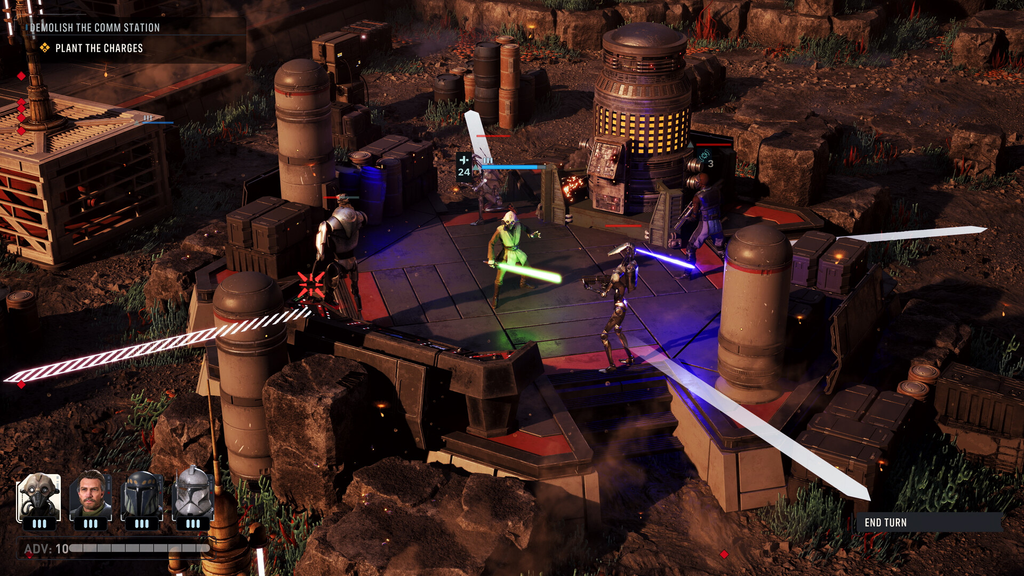
Romance is not part of the design. The Bonds between Operators measure how well two characters fight together, not who they are involved with. There are no dating scenes, no romantic dialogue trees, and no partner selection at the base of operations, known as the Den.
Bit Reactor also confirmed that the game ships without New Game Plus and without official modding support at launch. Those features, along with any romance mechanic, are not on the studio’s current priority list, though the door to future additions was left open rather than closed outright.
The Bond system replaces romance
Every character tracks a separate relationship with every other character. Bonds develop over the campaign through shared missions and conversations at the Den, and they can start out negative before you actively build them up. The stronger a pairing becomes, the larger the bonuses it unlocks.
Bonds are not just cosmetic. They feed permanent stat gains, extra Focus Points for skill trees, and altered dialogue between the two characters. Because the bonus applies to both Operators whether or not they deploy together, a strong pairing keeps paying off even when one member is recovering in the Medbay.
How to raise a Bond
| Action | Effect on the Bond |
|---|---|
| Fight missions together | Any shared mission time raises the relationship |
| Healing with a Medic | Boosts the Bond between the healer and the healed Operator |
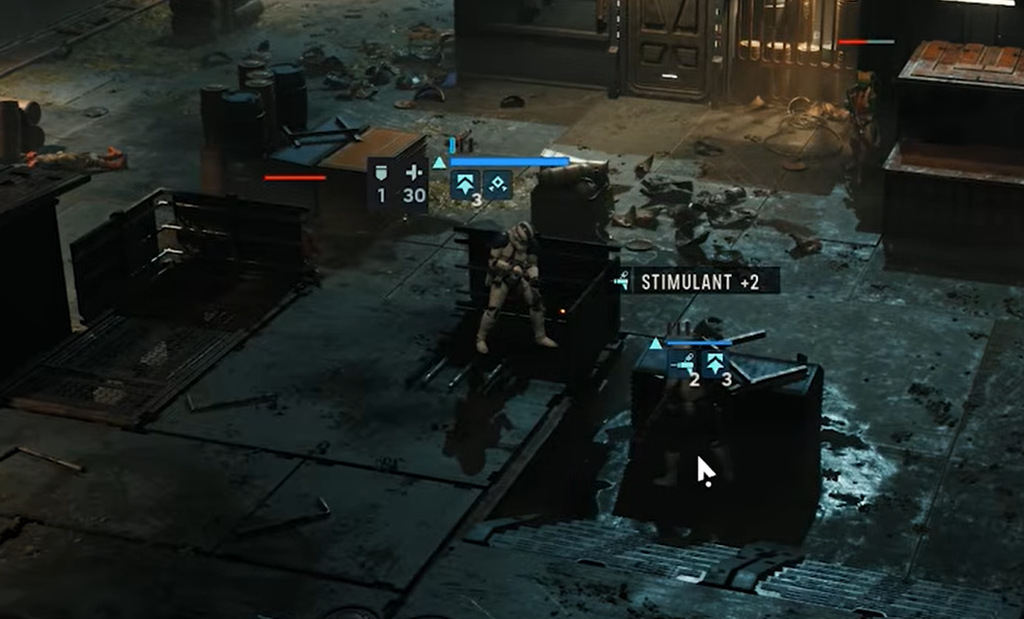
| Call for Backup | A free action; the chosen ally Assists the next attack and builds the Bond, if they have line of sight to the target |
| Operations | Assigning two characters to the same strategy-layer operation increases their Bond |
Call for Backup is not always available to the Operator you want. Each turn the game randomly selects one Operator who may call, and that Operator then freely picks which teammate to summon.
Bond levels and Cross Training rewards
Each pairing sits on a named scale shown as a meter in the Cross Trainings menu. The confirmed tiers are Low, Neutral, High, and Very High, with Very High being the highest named tier and the one the trophy list rewards.
When a Bond rises to a new level, the pair unlocks a Cross Training, and you choose which benefit to take. The bonus then applies to both Operators. The options offered at each threshold are drawn at random per playthrough, so two campaigns will not present the same choices in the same order.
| High Bond training | Effect (both Operators) |
|---|---|
| Timing Exercises | +5% Critical Chance |
| Reflex Fire Training | +1 Overwatch Damage |
| Freeform Training | +2 Focus Points |
Early tiers offer smaller permanent gains such as Ranged Combat Drills (+1 Ranged Damage), Fitness Work (+4 Max Health), Grenade Training, and a reduced Chance-to-Hit penalty at range. Conflict Resolution can appear as an alternative that takes no passive at all and instead pushes the pair toward their next Bond level.
Unlike Focus Points, which can be refunded and respent, a Cross Training is locked in once taken. Reaching the maximum Bond unlocks a special Cross Training that grants a Passive Ability, the strongest tier of benefit.
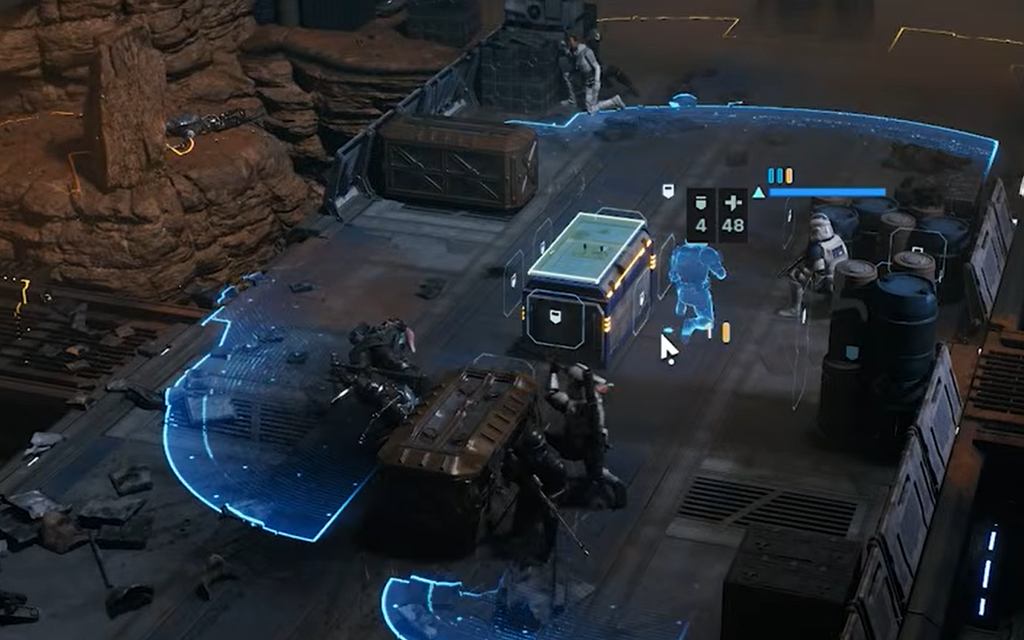
Who can bond with whom
Bonds are not limited to the authored cast. The protagonist, Hawks, can reach Very High with all six authored companions, and companion-to-companion pairings are tracked separately. Custom recruits can bond too, and two custom Operators can reach Very High with each other, as can two Astromechs.
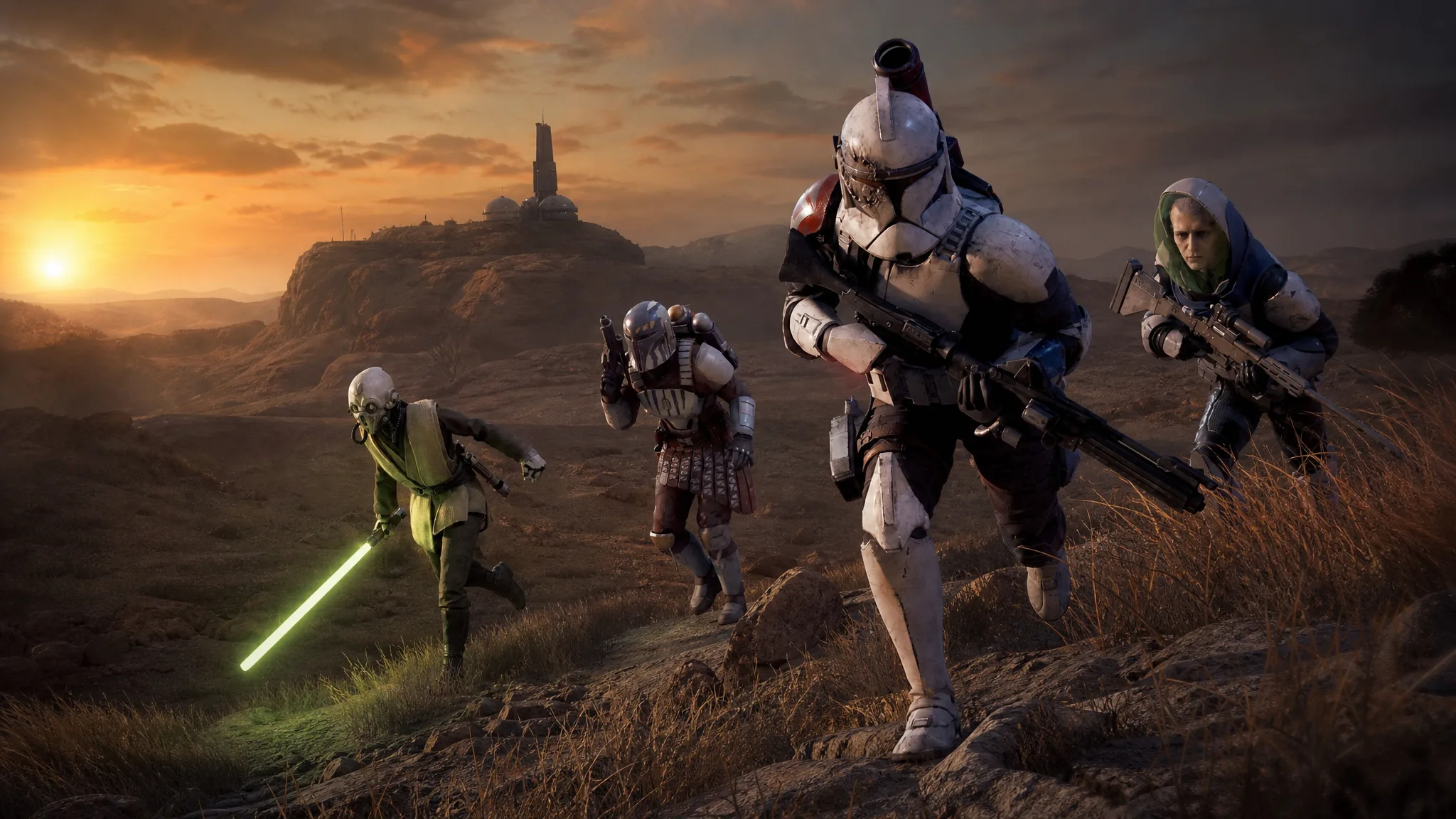
The squad is deliberately built from conflicting backgrounds, including a former Umbaran separatist, Mandalorians, clone troopers, and a Jedi Padawan. One named friction pair is Trick, a clone trooper, and Luco Bronc, an Umbaran veteran, whose history on opposite sides of the Battle of Umbara is a specific source of tension. Bonds between them must be earned rather than assumed.
Dilemmas, approval, and Bond decay
Relationships are not one-way gains. At certain story points, Hawks faces a Dilemma where every Operator weighs in, and the decision can strengthen or weaken Bonds. Some Dilemmas carry consequences beyond Bond changes, and a player choice can drive a character out of Zero Company entirely.
Characters also track approval for how Hawks handles decisions and missions, expressing it in a way comparable to Dragon Age companion systems. Low approval alone will not make a character leave, but authored story moments tied to specific relationships can trigger a departure.
Bonds can decay and fracture based on your actions. Managing a squad that does not always get along is treated as central to the leadership fantasy, so letting relationships slide and rebuilding them can change how events play out.
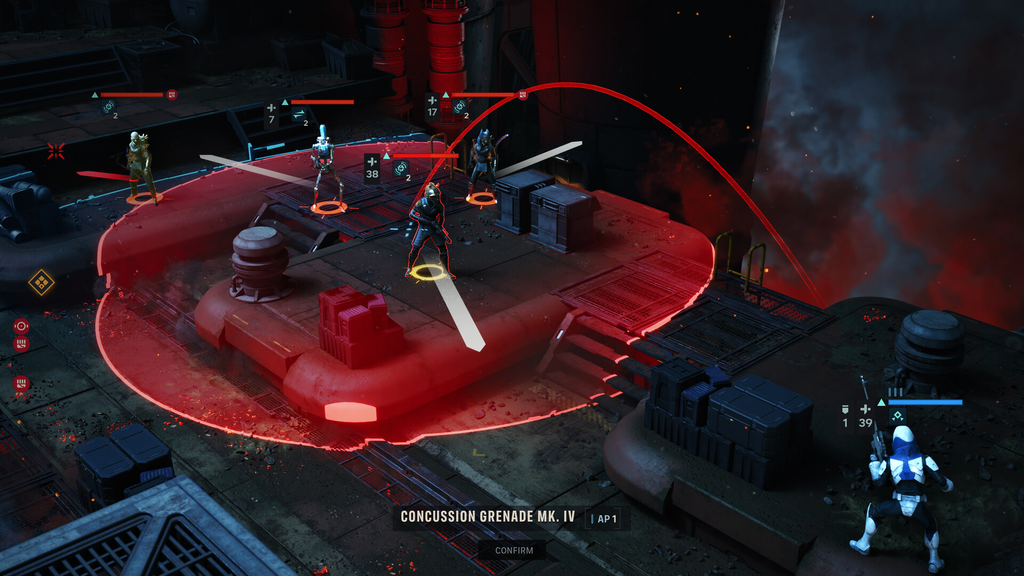
Permadeath ends a Bond permanently
Permadeath is a core feature. If a character dies during a mission, they are removed from the game for good, and every Bond they held is severed along with them. Surviving characters may react to the loss, but those relationships cannot be recovered.
Keeping your team alive is what lets you see the full range of Bond payoffs through to the end of the story. That risk is exactly why the game keeps its relationships professional. The stakes come from losing a squadmate you depended on in combat, not from a romance cut short.