Phantoms are camera-shy, and that is the whole trick to catching one. They share their evidence set with other ghosts, they hunt like anything else, and they leave the same fingerprints on a light switch. What gives them away is how badly they handle being looked at — through a lens, or during a hunt.
Quick answer: Photograph the ghost while it is standing in your D.O.T.S. Projector. If it instantly vanishes and the photo comes back with no ghost and no interference pattern, and your three pieces of evidence are D.O.T.S. Projector, Ultraviolet, and Spirit Box, you have a Phantom.
The photo test: How to make a Phantom disappear
Taking a photo or video of a Phantom is its listed weakness. Capture it in any form — full body, translucent, shadow, or its D.O.T.S. silhouette — and the ghost physically vanishes the moment the shot lands. The resulting picture contains no ghost at all, and none of the usual interference smear you get on a normal ghost photo.
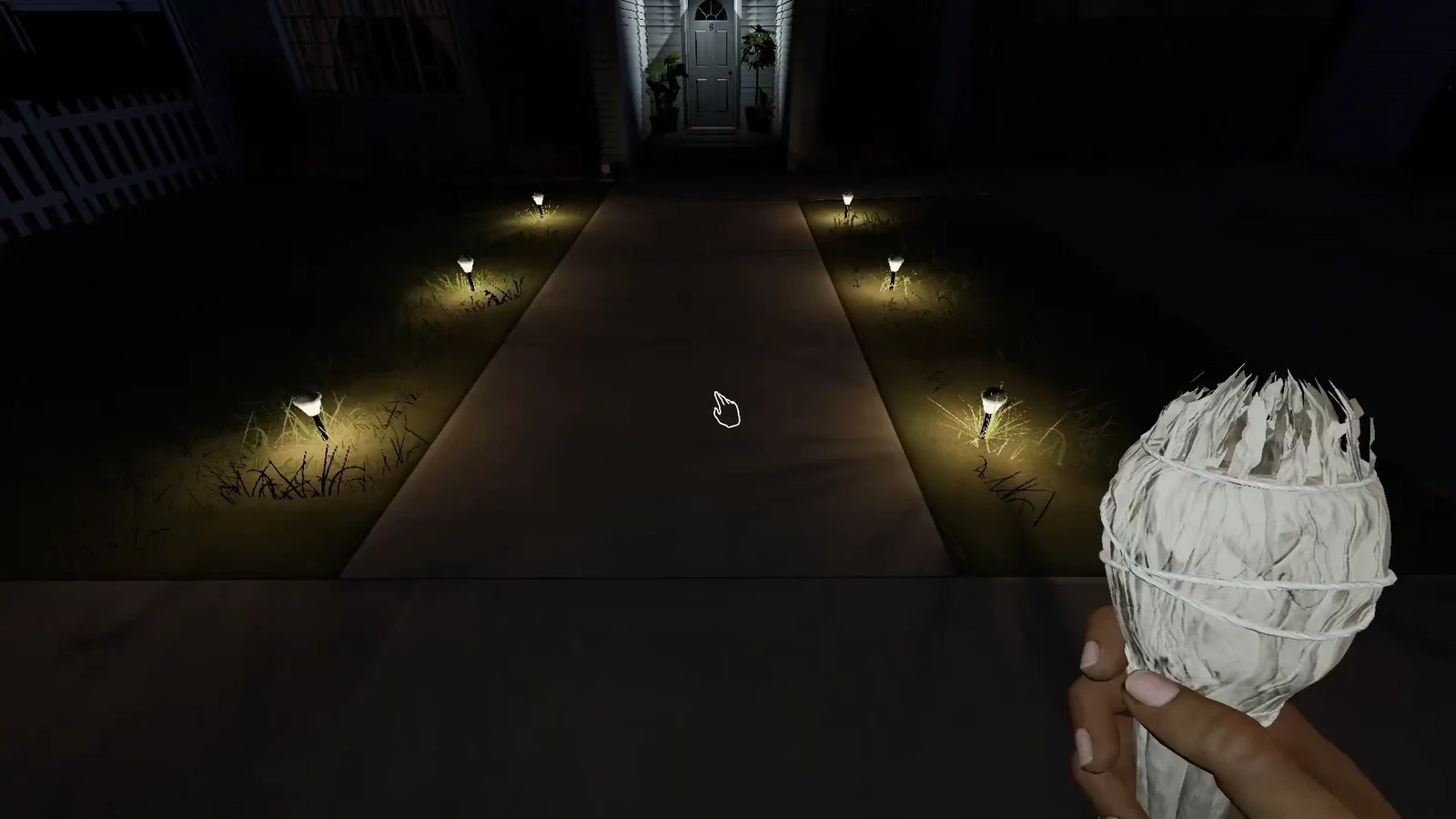
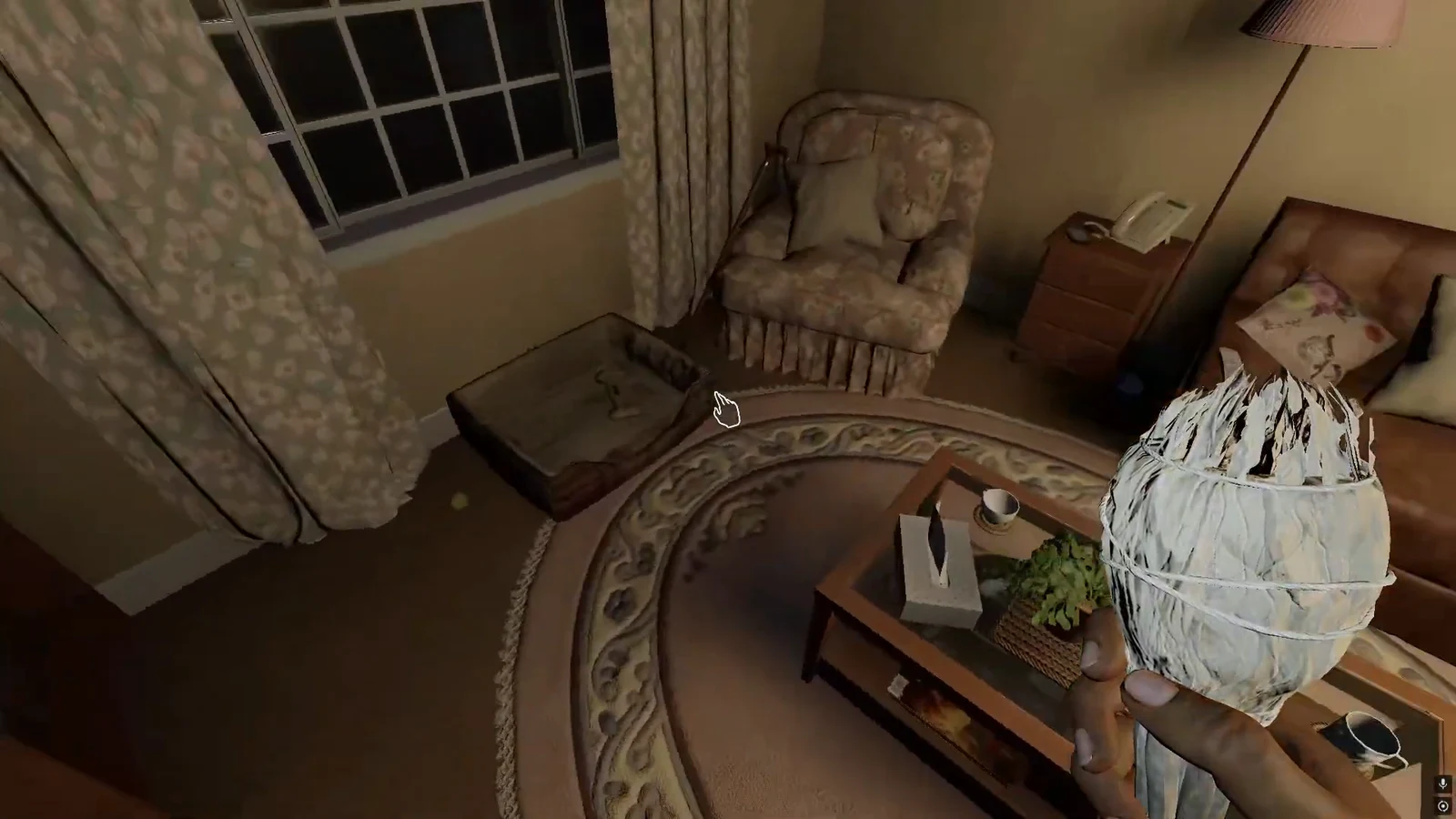
The exact result depends on when you take the shot. During a ghost event, the Phantom vanishes, your electronics stop glitching, and the heartbeat audio cuts out — but the event sound keeps playing, which is a dead giveaway. During a hunt, it disappears briefly and then goes back to flashing in and out as normal.
Phantom blink timing during a hunt
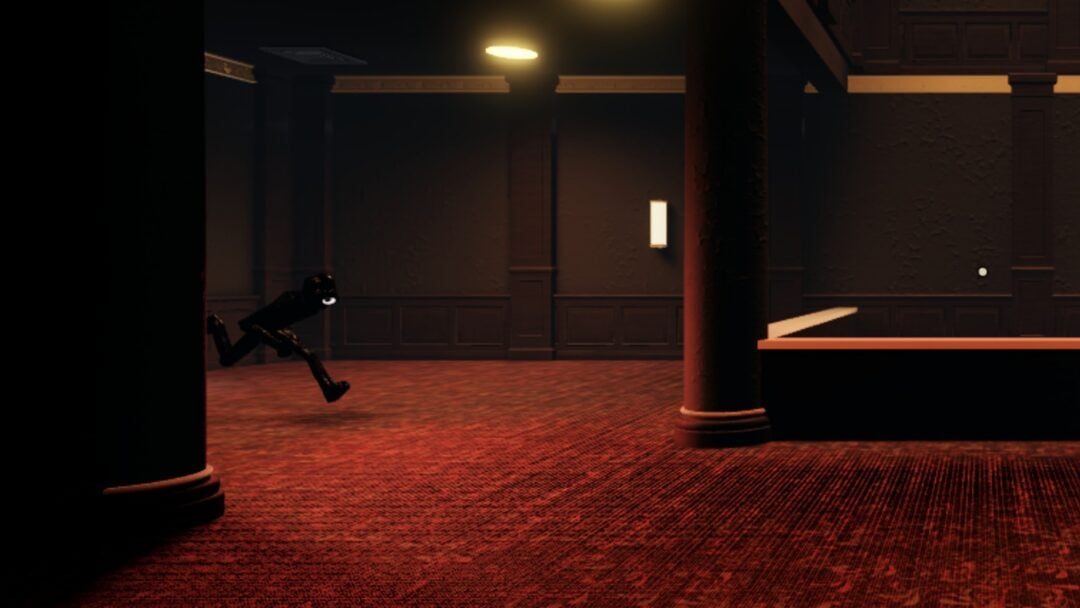
You do not strictly need a camera. A Phantom stays invisible for far longer stretches while hunting than almost anything else in the game, and once you know what to watch for it is hard to miss. Ordinary ghosts flicker back into view fast enough that you never really lose them; a Phantom leaves you staring at an empty hallway wondering where it went.
| Ghost | Gap between blinks | Visible during hunt |
|---|---|---|
| Standard ghost | Roughly 0.30 – 1.00 seconds | 30.7% – 33.2% |
| Phantom | Roughly 1.10 – 2.00 seconds | 11.5% – 14% |
Practical version: if the ghost is out of sight for more than a second at a time, on average, it is a Phantom. A quick field test is to blink when the ghost vanishes — a human blink runs about a tenth of a second, and a normal ghost will usually be back before your eyes reopen.
Phantom evidence: D.O.T.S. Projector, Ultraviolet, and Spirit Box
Behavior gets you a strong read, but the journal still needs three checkmarks. A Phantom will only ever produce these three, and nothing else.
| Evidence | How to get it |
|---|---|
| D.O.T.S. Projector | Place the projector in the ghost room or a doorway and watch for a figure passing through the dots. You can see this with your own eyes here — only the Goryo requires a Video Camera. |
| Ultraviolet | Sweep a UV Light over doors, windows, light switches, keyboards, remotes, and mirrors for fingerprints, handprints, or footprints. Check often, since prints fade. |
| Spirit Box | Ask questions into the Spirit Box near the ghost. Any reply at all counts, because ghosts without this evidence never respond through it. |
Note: on reduced evidence difficulties, a Phantom is not guaranteed to hand you D.O.T.S. at all, so the photo and blink tests carry more weight the harder the contract gets.
Secondary Phantom clues: roaming, EMF 2, and sanity drain
The Phantom has an ability that picks a random player inside the investigation area and moves to a spot within five metres of them, ignoring the usual roaming rules. Where that trip ends, it drops an EMF level 2 reading at roughly head height. If an EMF 2 appears out of nowhere, far from the ghost room, with no interaction to explain it, a Phantom is on the shortlist.
That reading is not unique, though. A Wraith does something similar, so drop Salt nearby and check whether it ever gets stepped in. A Poltergeist also emits its EMF 2 at head height, so a Tier 3 EMF Reader that shows ground-level versus head-level placement is the cleaner tiebreaker.
The Phantom’s listed strength is sanity drain. Standing within 10 metres of one while it can effectively see you — the range where heartbeats play — costs 0.5% sanity per second, on top of normal passive drain. It only applies during ghost events and hunts, and it stops entirely if you have already made the ghost invisible with a photo. The drain is gradual rather than dramatic, so it is a supporting clue at best, not a diagnosis.
False Phantom readings and how to rule them out
A clean, ghost-free photo is convincing, but there are a handful of situations that fake the same result. Check these before you commit in the journal.
- Desync at the tail end of a ghost event can produce an empty, interference-free photo even when the ghost is not a Phantom. The same thing can happen right as a hunt ends.
- Photographing a Goryo during its D.O.T.S. state also gives you no interference and no visible ghost. Your other evidence separates the two.
- Photos taken from a different floor never produce interference for any ghost — but for everything except a Phantom, the ghost is still visible in the shot.
- Cursed Possessions with a fixed or predictable grace period, like the Summoning Circle or Music Box, make the timing far more reliable than chasing a random event.
If you are playing with other people, compare notes on the photo. Several players agreeing that the image is completely clear is a stronger read than one person’s screenshot, though it is still not absolute.
Surviving the hunt long enough to confirm it
The behavior that identifies a Phantom is the same behavior that kills people. Because it is visible so rarely, tracking it by sight during a hunt barely works, and looping it is a bad idea. Rely on hunting audio instead, and if you plan to blind it with Incense, stand at the end of a long hallway and burn slightly earlier than you normally would — waiting for a visual cue is how you get caught.
Odd as it sounds, a ghost you can hear stalking you but almost never see is one of the easier identifications in the game. If the hunt feels like it is happening to an invisible opponent, mark Phantom and start looking for the photo to back it up.