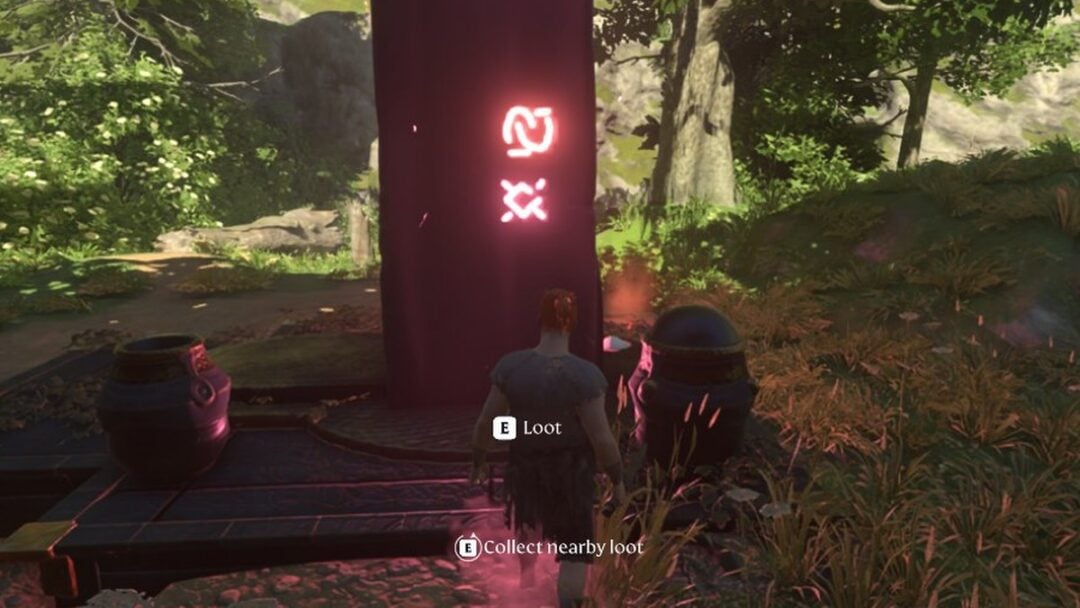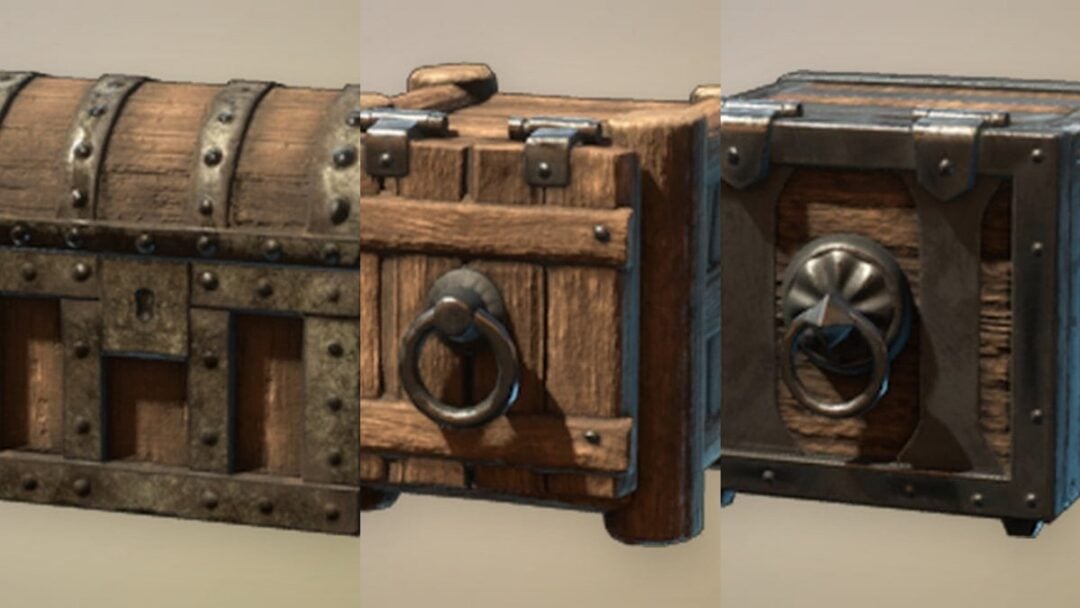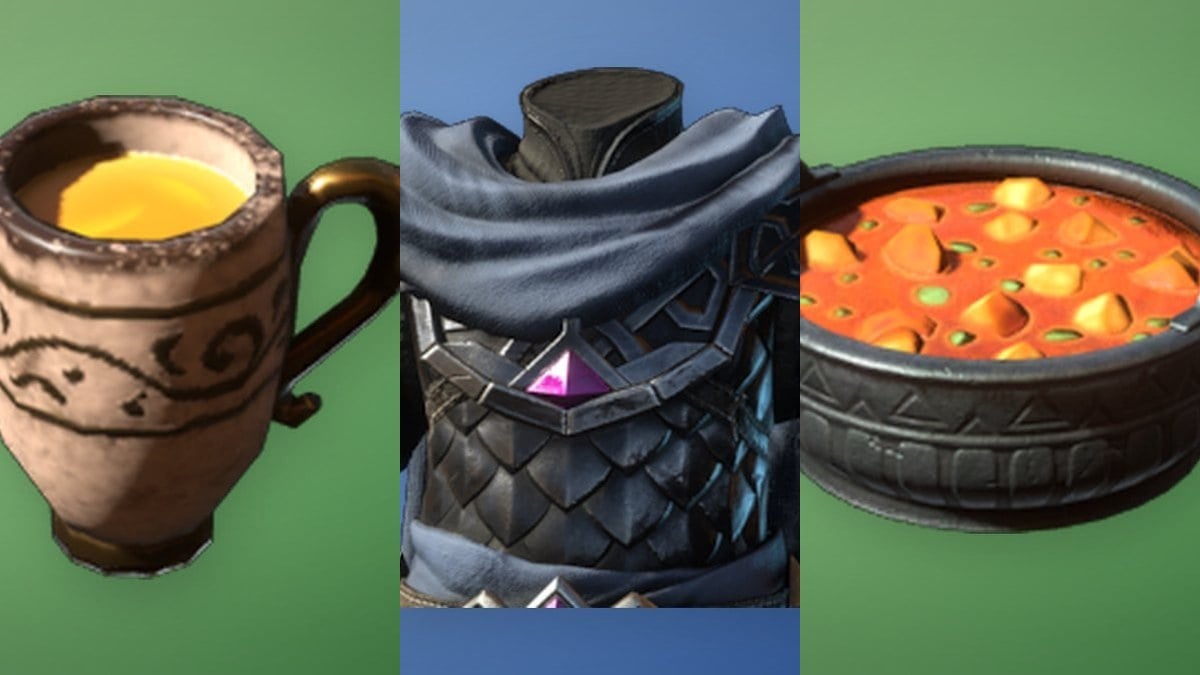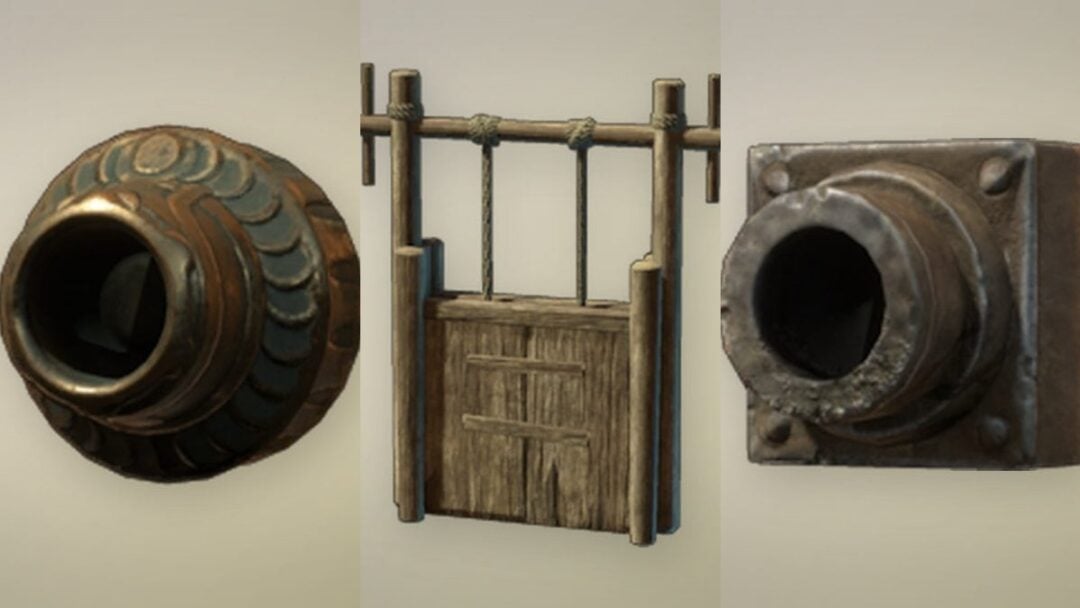
WARDOGS drops 100 players into a three-way fight over a single moving objective, and most of the footage circulating online comes from squads coordinating on external voice chat. That creates a fair question for anyone queuing alone: does the game fall apart without four friends? The systems say no. The classless loadout store, the persistent cash economy, local voice chat, and an in-match squad menu are all designed to let an unattached player plug into a team that already exists.
Quick answer: Queue alone, buy a cheap Light or Medium kit that includes bandages and smoke, follow the nearest friendly group moving toward the Control Zone, and open the squad menu to join a random squad for access to its private radio channel. Your income comes from revives, spotting, transport, and zone presence, so you never need kills to stay solvent.
How a WARDOGS match is built for unsquadded players
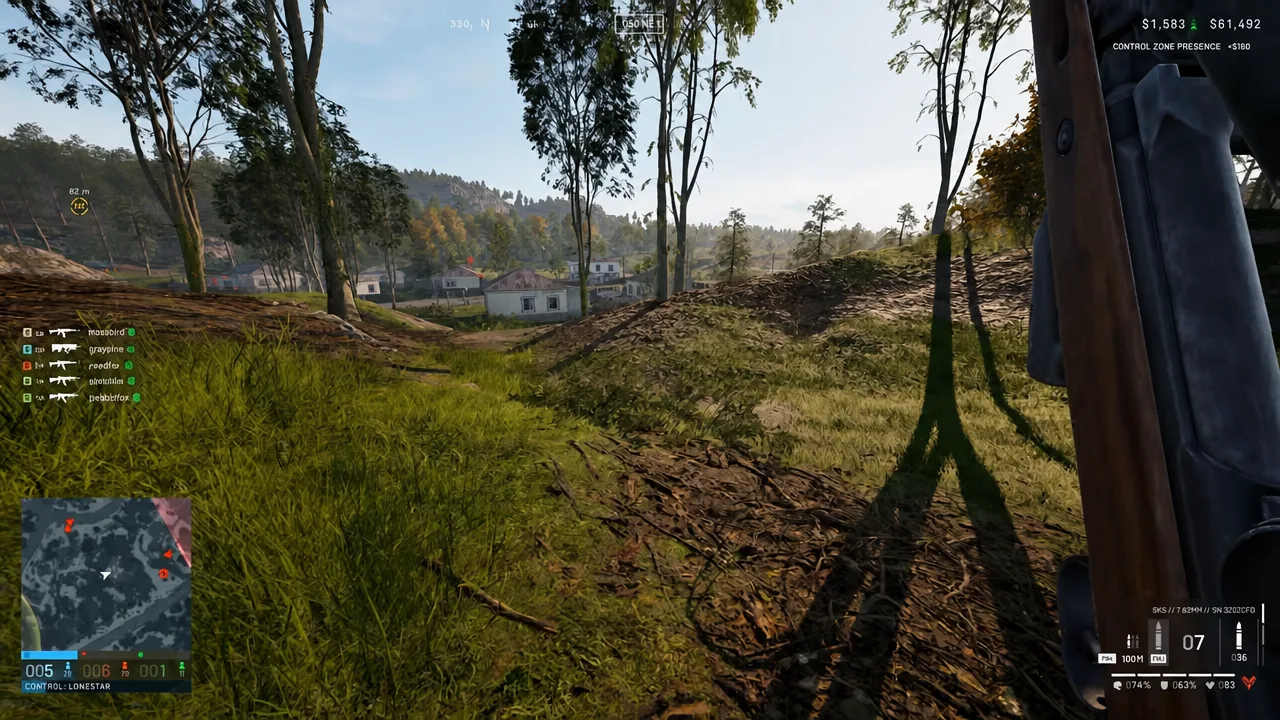
Each match splits up to 100 players across three factions — Lonestar, Valkyra, and Manticore — with roughly 33 per side. Everyone chases the same thing, so there is always a friendly crowd moving in a predictable direction. That gravity is what a solo player rides.
| System | What it does |
|---|---|
| Control Zone | A randomized 2×2 km area inside a 256 km² map. The faction with the most players inside holds it and scores one point every 30 seconds. First to 100 points wins. |
| Hot Zone | A smaller zone that moves within the Control Zone. Every player inside counts as two for control and earns double cash. |
| Towers | Three to five capture points inside the Control Zone. Each captured terminal gives one digit of a code; entering the full code pulls the Hot Zone toward your tower. |
| Cash | Everyone starts with $10,000. Whatever you keep carries over between matches and pays for every weapon, magazine, and piece of gear. |
Body count is not the scoreboard. Minutes spent inside the zone are, which is why a single player who never wins a duel can still swing a match.
Buy the role your team is missing
There are no classes. Whatever you purchase before you deploy defines what you are for that life, and progression runs on six tracks that fill up based on what you actually do — Assault, Medic, Recon, Support, Driver, and Pilot. A solo player should treat that as a job board rather than a preference.
Look at what the friendly stack around you already has. Four riflemen with no smoke and nobody carrying medical gear will get wiped by the first third team that walks in. If you are the one holding bandages, a revive tool, and a smoke grenade, strangers keep you alive because you are useful to them. That is the whole social contract of solo queue here.
Note: Weight matters. Filling every backpack slot because it is available makes you slow, and slow players die away from the objective where nobody can reach the body.
How the cash economy pays a solo player
Cash is the reason solo play holds up. Almost every income source in WARDOGS is a team action, and none of them require you to win a gunfight. Dying costs you the loadout you are carrying, so waiting for a revive is usually cheaper than respawning into a fresh purchase.
| Action | Why it pays |
|---|---|
| Reviving and healing | Returns downed players to the fight; teammates can also tip you cash directly |
| Spotting | Marking enemies with Recon equipment earns money and Recon progression |
| Transport | Driving or flying friendlies toward the objective |
| Control Zone presence | Simply holding the active zone while your faction contests it |
| Hot Zone presence | Same as above at double the rate |
| Repairs, supplies, building | Fixing vehicles, delivering resources, and constructing structures |
| Towers | Capturing terminals and supporting objective interactions |
Spotting and reviving are the two most forgiving earners while you are learning the map. They keep your balance climbing even in a session where you never top the kill feed.
Proximity voice chat replaces a pre-made group
Local voice chat is what makes coordination possible with total strangers. Stand near friendly players and you can call a flank, ask for a revive, or agree on a building to hold without any external app. It also carries across faction lines, so enemies close enough to hear you can hear you — which cuts both ways during a close-quarters fight.
Short calls work better than long ones. Direction, distance, job. If you have no mic at all, movement still communicates: throw smoke along a path and walk it, or plant yourself on an obvious doorway, and nearby players usually mirror what you are doing.
Join a random squad mid-match for private radio
Solo loadout and budget rules
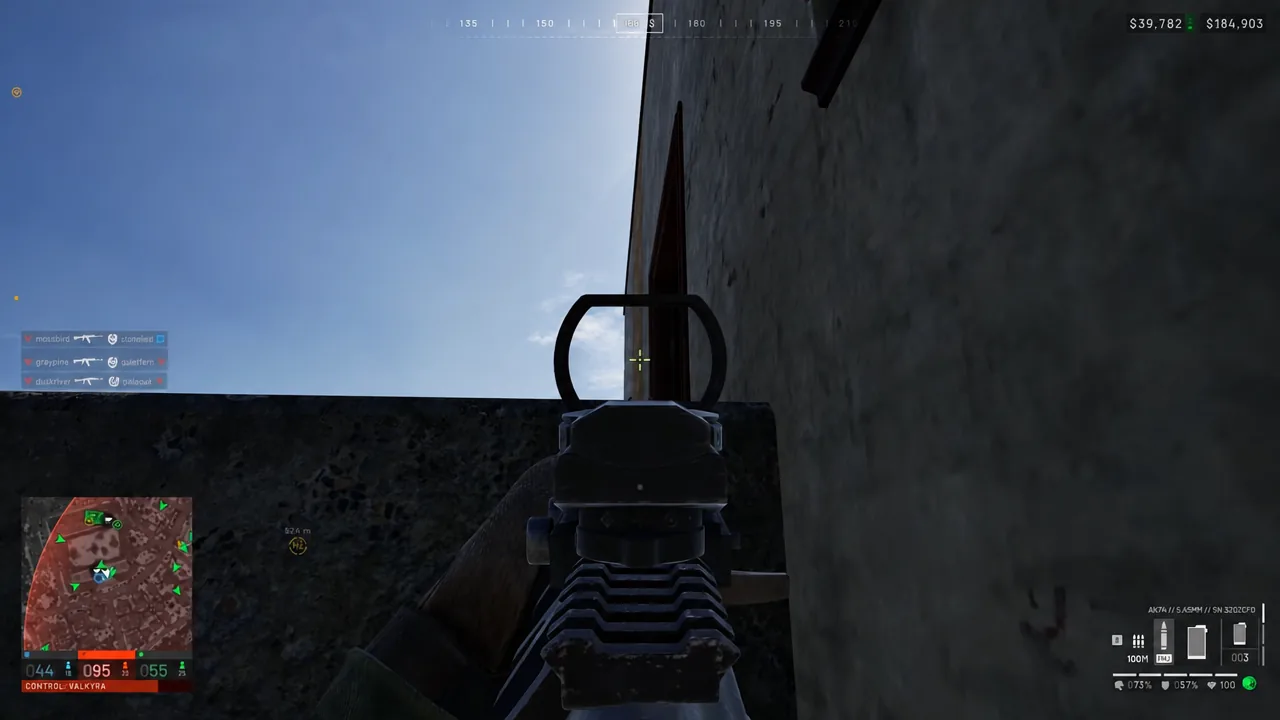
Your first purchase should be something you can afford to lose several times. A controllable primary, two or three magazines, a stack of loose ammunition, basic healing, and one utility item is enough to be a real contributor. Ammunition choice is simple — FMJ is the general-purpose pick, HP hits exposed targets harder, and AP is for armour and vehicles.
Stay Light or Medium more often than a squad player would. Super Heavy only makes sense when a vehicle is dropping you directly onto a doorway, because without teammates covering you, the mobility loss is a death sentence.
The most important number is your rebuy floor — the balance you refuse to drop below. Variance is higher when nobody is calling swings for you, so default to standard kits and only spend big when you can see a real push forming. Revenge spending after a bad death is how a session ends at zero.
Fighting alone: overwatch, flank watching, and third-party timing
The most valuable solo job is the one nobody assigns. In a three-way fight, every quiet minute on defence is a flank timer running down, and squads locked onto the front rarely spare someone to watch the back. Take that angle yourself.
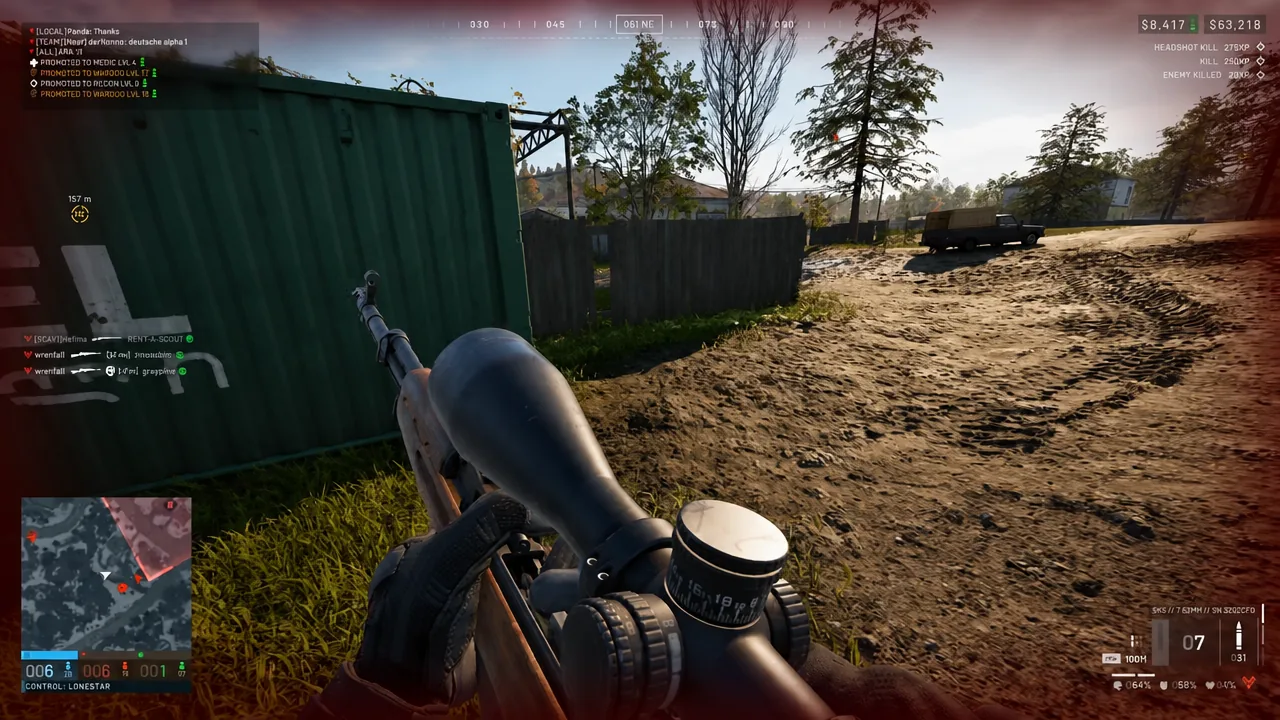
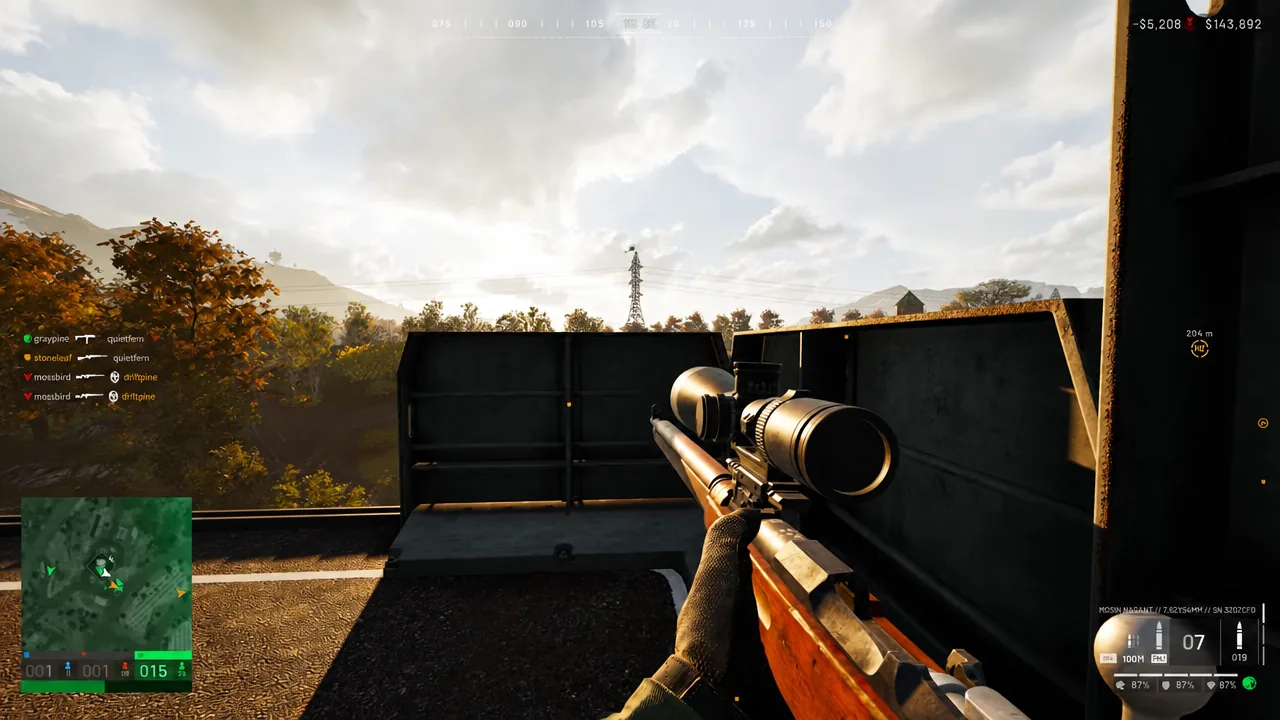
Overwatch is the other one. Sitting on a long sightline and marking enemies feeds your team information and pays you Recon money at the same time, without forcing you into duels you will lose without support.
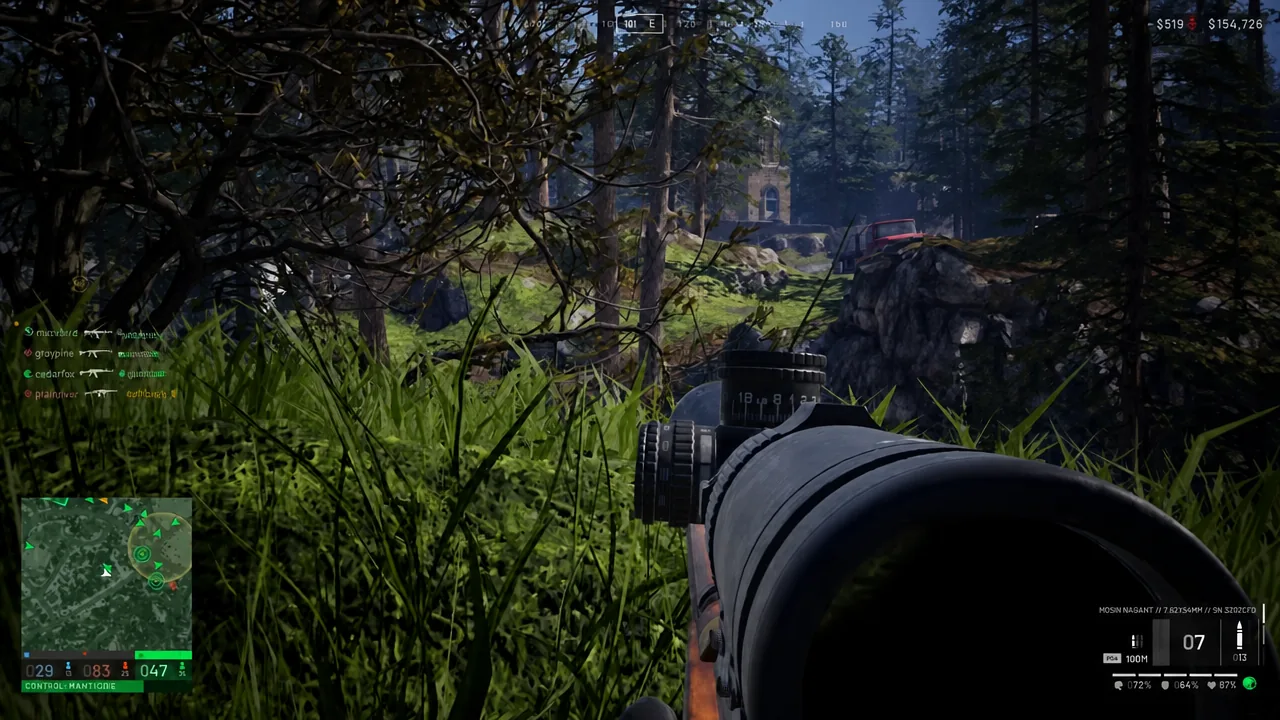
Third-partying is a timing problem. Wait until two teams fully commit, then enter late enough that both are hurt but early enough that the winner has not reset and rearmed. If you cannot hear either side reloading, you are either early or late — take a cover hold and reassess instead of walking in.
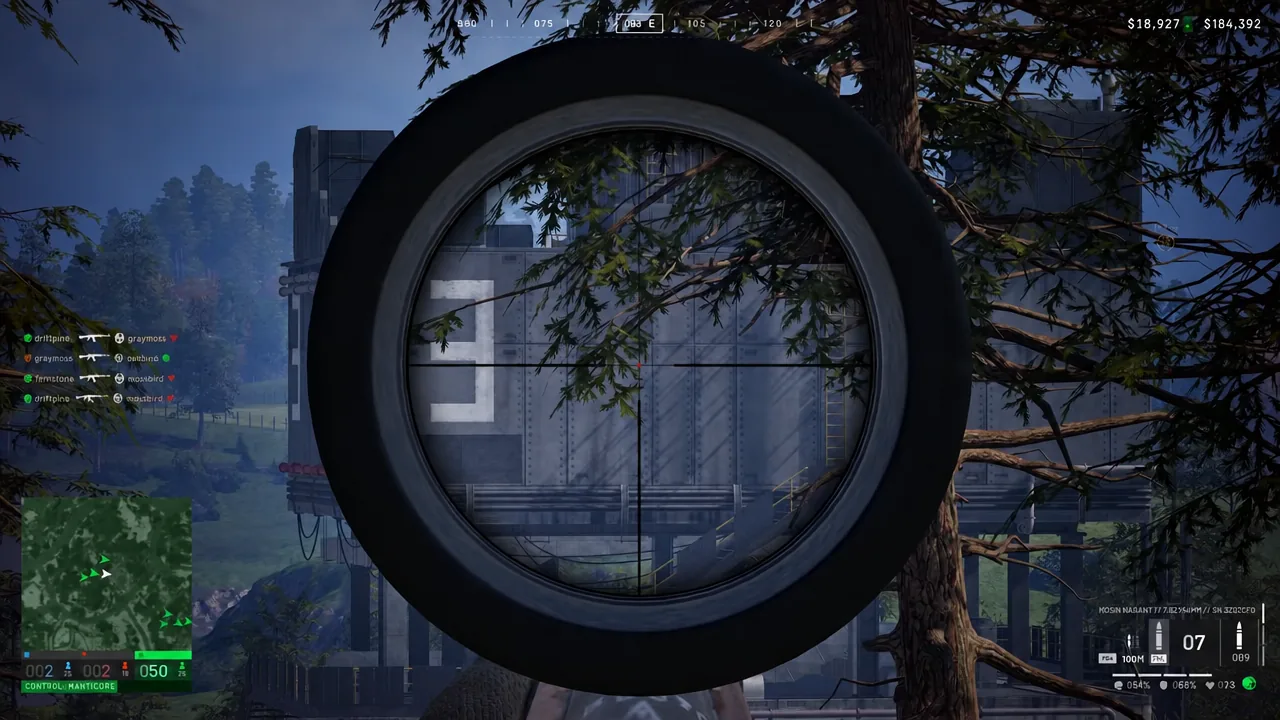
Looting greedily after a double wipe is the most common way a good solo streak ends. Take what you need and move.
Where solo play still gets frustrating
Two friction points hit solo players hardest. Respawning at HQ leaves you dependent on a pilot or a spare vehicle to get back to a Control Zone that can be a long way out, and without a squad organising transport, that wait is longer. Weapons and armour are also tied to level unlocks, so a new player alone will spend early sessions with starter gear against people who have been grinding.
The pacing is deliberately slow, and large stretches of the map can feel empty while players cluster around the same handful of strong positions. Some matches turn into logistics work punctuated by short firefights. Judge those sessions by zone minutes held, revives landed, and whether you finished above your rebuy floor rather than by kill count.
Solo queue works in WARDOGS because the game pays for the things a lone player can reliably do — showing up in the zone, keeping strangers alive, moving them around, and marking targets. The lone-wolf fantasy of clearing a building by yourself is the version that fails. Treat yourself as the missing piece of whichever group you land next to, and the absence of a pre-made squad stops mattering. The game is available on Steam.