
Quick answer: Learn two primary professions plus all three secondary ones. Plate wearers take Mining + Blacksmithing, leather and mail wearers take Skinning + Leatherworking, and cloth casters take Tailoring + Enchanting.
In World of Warcraft: Forever, the profession roster contains nine primary choices and three secondary ones. Each character may train at most two primary professions, while Cooking, Fishing, and First Aid are available to all. Choose your primary pair based on your class’s armor and weapons, and whether you want to earn gathering income as you level.
Every profession in WoW Forever
There are six crafting professions. Alchemy makes potions, recovery potions, elixirs, flasks, draughts, weapon oils, and transmutations. Blacksmithing produces plate and mail armor for every slot, plus swords, axes, maces, daggers, fist weapons, polearms, thrown weapons, shields, weapon stones, and enchanting rods. Enchanting puts enchants on bracers, gloves, chest, cloak, boots, weapons, two-handed weapons, shields, off-hands, and amulets. It also crafts wands, staves, off-hand orbs, class relics (librams, totems, idols), wizard oils, and enchanting rods. Engineering covers explosives, fireworks, gadgets, devices, guns and other ranged weapons, scopes, ammunition, engineering headgear, pets, and parts. Leatherworking turns out leather and mail armor for every slot, cloaks, armor kits, quivers, ammo pouches, and bags. Tailoring makes cloth armor for every slot, shirts, cloaks, bags and specialty bags, and cloth bolts.
Gatherers supply materials to the crafting professions. Herbalism gathers herbs used by Alchemy and First Aid. Mining extracts ore and stone; ore can be smelted into bars from Copper through Thorium, along with Azerothium and Elementium. Skinning provides hides and leather.
Your two primary-profession selections leave secondary professions open. Cooking prepares stat food, everyday meals, drinks, and campfires; crafted food now adds a small experience bonus along with its stats. Fishing supplies Cooking with fish. First Aid makes bandages, anti-venoms, poultices, and tourniquets, and its healing potions range from Minor and Lesser through normal, Greater, Superior, and Major Healing Potion.
Across all professions and level ranges, WoW Forever adds over 600 new recipes. Advanced Blueprint recipes drop from dungeon bosses.
| Profession | Type | What it makes | First camp feature (skill 20) |
|---|---|---|---|
| Alchemy | Crafting | Potions, recovery potions, elixirs, flasks, draughts, weapon oils and transmutations | Mana Well |
| Blacksmithing | Crafting | Plate and mail armor for every slot, swords, axes, maces, daggers, fist weapons, polearms, thrown weapons, shields, weapon stones and enchanting rods | Sharpening Wheel |
| Enchanting | Crafting | Enchants for bracers, gloves, chest, cloak, boots, weapons, two-handed weapons, shields, off-hands and amulets, plus wands, staves, off-hand orbs, relics, wizard oils and enchanting rods | Enchanted Lute |
| Engineering | Crafting | Explosives, fireworks, gadgets, devices, guns and other ranged weapons, scopes, ammunition, engineering headgear, pets and parts | Reagent Bot |
| Leatherworking | Crafting | Leather and mail armor for every slot, cloaks, armor kits, quivers, ammo pouches and bags | Camp Tent |
| Tailoring | Crafting | Cloth armor for every slot, shirts, cloaks, bags and specialty bags, cloth bolts | Faction Banner |
| Herbalism | Gathering | Herbs for Alchemy and First Aid | Incense Candle |
| Mining | Gathering | Ore and stone, smelted into bars (Copper up to Thorium, plus Azerothium and Elementium) | Lodestone |
| Skinning | Gathering | Leather and hides | Camp Chair |
| Cooking | Secondary | Stat food, everyday meals, drinks and campfires | Basic Campfire (skill 1) |
| First Aid | Secondary | Bandages, anti-venoms, poultices, tourniquets and healing potions | First Aid Kit |
| Fishing | Secondary | Fish for Cooking | Fish Bowl |
How professions work
Camping features
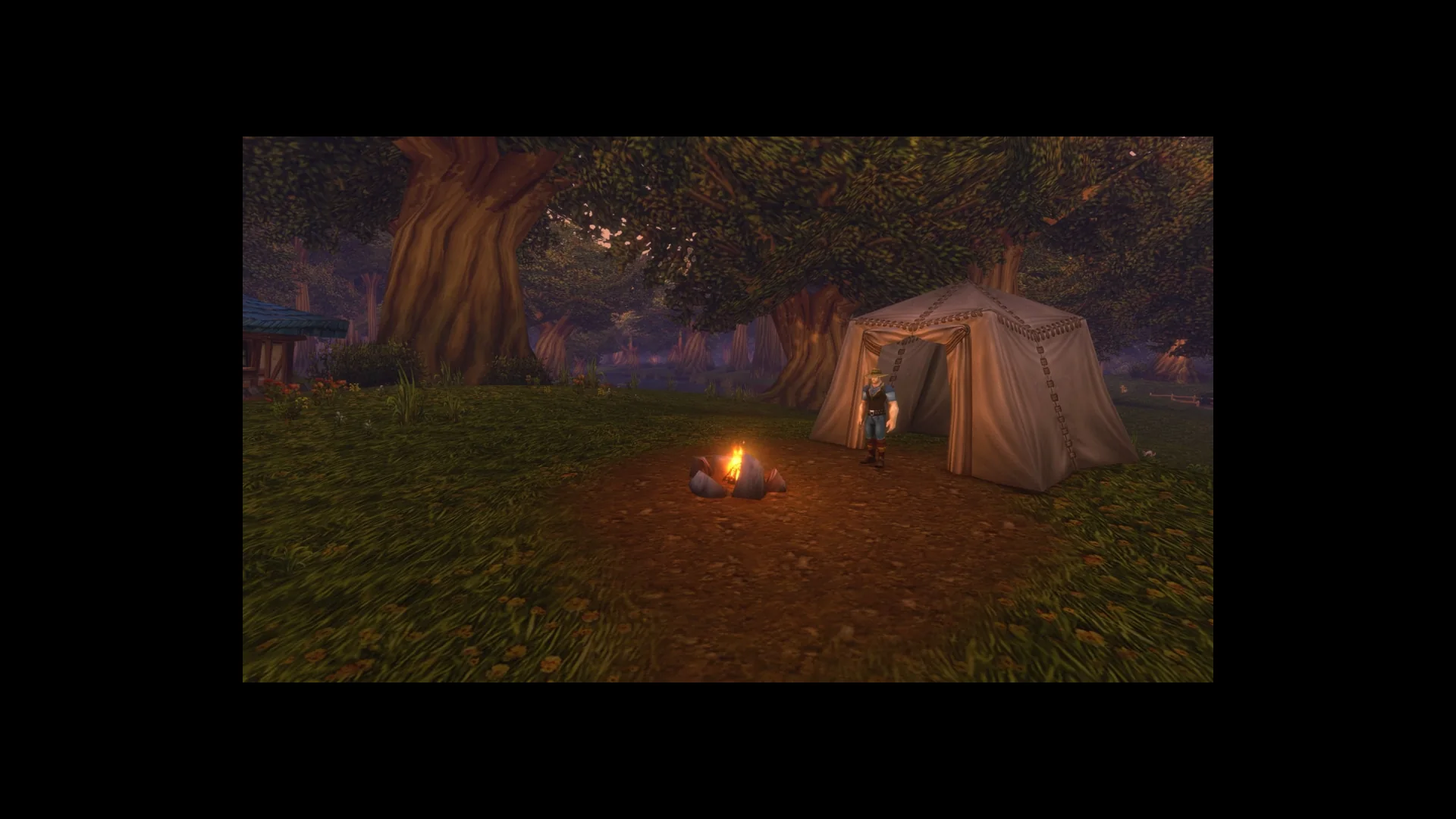
Each profession offers three camp features: objects set out at a Basic Campfire, which comes from Cooking. Your first feature unlocks at skill 20 through a starter zone quest or the profession trainer. Feature two unlocks at 140, and feature three at 300; features requiring skill 140 or above are obtained as Blueprints from dungeon and raid drops. Examples include a Strength-boosting Sharpening Wheel from Blacksmithing, a Spirit-granting Faction Banner from Tailoring, an Intellect-raising Incense Candle from Herbalism, and a Camp Tent from Leatherworking that provides rested experience. Later, Leatherworkers can set up a Tanning Rack, which is needed for more advanced Leatherworking recipes. Cooks can also learn improved campfires with room for 5 or 10 features. See the WoW Forever camping guide for the complete layout.
Legacy Points from professions
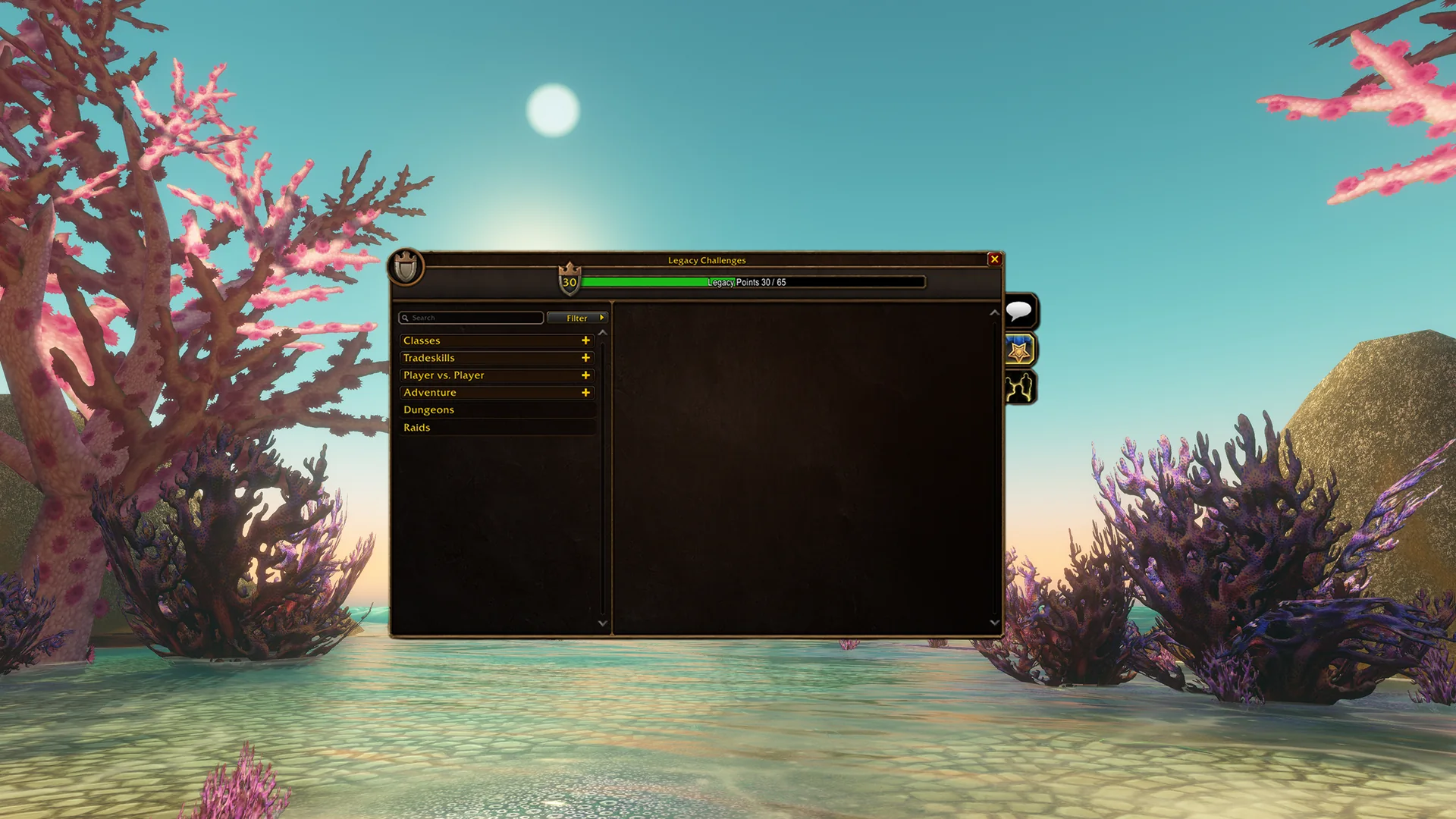
Each non-gathering primary profession grants Legacy Points at skill levels 150, 225, and 300. The Professions Legacy tree offers Working Overtime, which improves the odds of gaining skill in all tradeskills; Bountiful Harvest, which yields more Scarce resources through mining, herbalism, and skinning; Master Chef, for additional cooking results; and Luremaster, for extra fish. Dedicated Study is a daily cooldown that accelerates tradeskill leveling or provides free Elemental Essences after you reach 300. Learn more about the broader system in the Legacy system explainer.
Best professions for each class
These picks are our recommendations, built around crafting the armor type and weapons each class uses. If gold is the priority while leveling, any class can run two gathering professions, such as Herbalism with Mining or Skinning, and switch to a crafting pair later.
| Class | Best pair | Alternative |
|---|---|---|
| Warrior | Mining + Blacksmithing (plate armor, weapons, weapon stones) | Mining + Engineering for PvP (explosives and gadgets) |
| Paladin | Mining + Blacksmithing (plate armor, maces and two-handed weapons) | Herbalism + Alchemy for potions and elixirs |
| Hunter | Skinning + Leatherworking (mail and leather armor, quivers, ammo pouches) | Mining + Engineering (guns, scopes, ammunition) |
| Rogue | Skinning + Leatherworking (leather armor, armor kits) | Mining + Engineering for PvP gadgets |
| Druid | Skinning + Leatherworking (leather armor) | Herbalism + Alchemy (potions, elixirs, flasks) |
| Shaman | Skinning + Leatherworking (mail armor) | Mining + Blacksmithing (mail armor, maces, shields) |
| Mage | Tailoring + Enchanting (cloth armor, bags, wands, staves, orbs) | Herbalism + Alchemy |
| Priest | Tailoring + Enchanting (cloth armor, bags, wands, staves, orbs) | Herbalism + Alchemy |
| Warlock | Tailoring + Enchanting (cloth armor, bags, wands, staves, orbs) | Herbalism + Alchemy |
Warrior
Mining + Blacksmithing covers your plate armor, your weapons, and the weapon stones that go on them. For PvP, Mining + Engineering trades that for explosives and gadgets.
Paladin
For a Paladin, Mining and Blacksmithing provide plate gear, maces, and two-handed weapons. To focus instead on keeping potions and elixirs stocked, pair Herbalism with Alchemy.
Hunter
Choose Skinning alongside Leatherworking to make mail and leather armor, quivers, and ammo pouches. Alternatively, Mining with Engineering provides guns, scopes, and ammunition.
Rogue
Skinning + Leatherworking supplies leather armor and armor kits. Mining + Engineering is the PvP option, built around gadgets.
Druid
Skinning + Leatherworking handles your leather armor. Herbalism + Alchemy is the alternative for potions, elixirs, and flasks.
Shaman
Skinning + Leatherworking produces mail armor. Mining + Blacksmithing also makes mail, and it adds maces and shields.
Mage
Tailoring + Enchanting covers cloth armor and bags, plus wands, staves, and orbs. Herbalism + Alchemy is the alternative.
Priest
With Tailoring and Enchanting, you can create cloth armor, bags, wands, staves, and orbs. Herbalism paired with Alchemy is another option.
Warlock
Tailoring + Enchanting makes cloth armor and bags along with wands, staves, and orbs. Herbalism + Alchemy is the alternative pair.