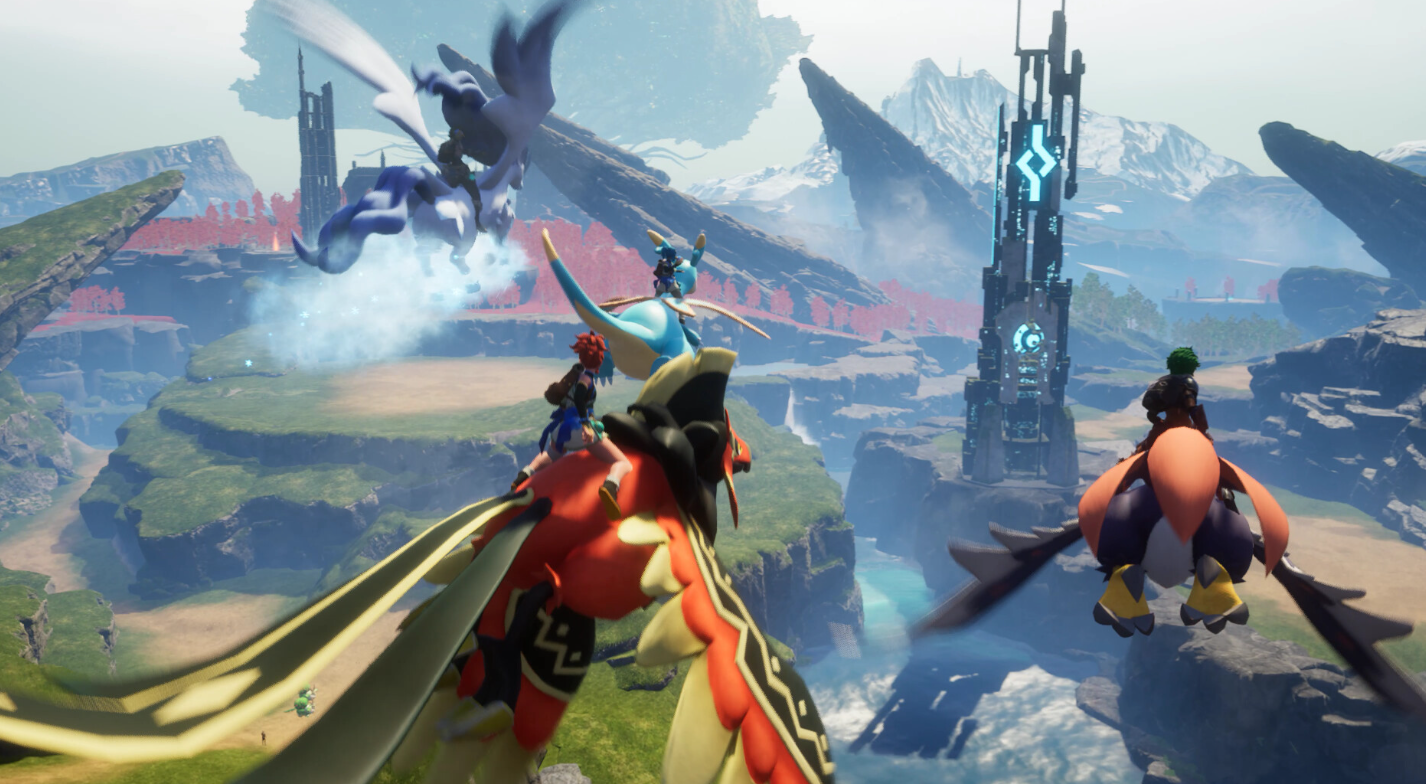
Jormuntide Ignis is the Dragon/Fire cousin of the serpentine sea dragon Jormuntide, sitting at Paldex #101 with a breed power of 1475. Because it comes from a fixed breeding recipe rather than the usual breed-power averaging, you do not have to gamble with random parent math. Line up the right pair, drop a Cake in the box, and the egg is locked in.
Quick answer: Place a male and female Jormuntide and Blazehowl at a Breeding Farm with a Cake in the attached chest to guarantee a Jormuntide Ignis egg. Two Jormuntide Ignis paired together will also always produce another one.
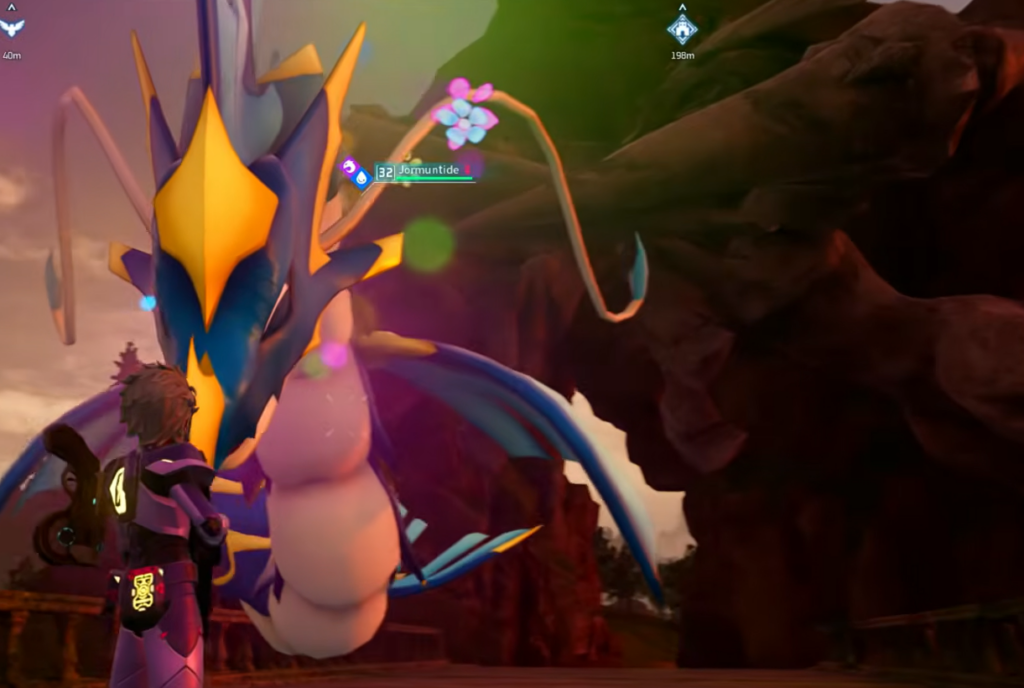
Guaranteed Jormuntide Ignis breeding pairs
These are special combinations. They ignore the normal breed-power rules, so as long as one parent is each listed species and the genders are opposite, the egg will always hatch a Jormuntide Ignis.
| Parent A | Parent B | Requirement |
|---|---|---|
| Jormuntide | Blazehowl | Either gender combo |
| Jormuntide Ignis | Jormuntide Ignis | Either gender combo |
For most players, the Jormuntide plus Blazehowl route is the practical one, since it only needs Pals you can catch in the wild. The mirror pairing is really only useful once you already own a breeding stock and want to duplicate strong passives.
Where to catch the parents
Both parents in the fastest recipe spawn in the wild, so you can build the pair without owning a single Jormuntide Ignis first.
| Pal | Level range | Where to find it |
|---|---|---|
| Blazehowl | Lv 35–67 | Main island |
| Jormuntide | Lv 80 | World Tree area |
Catch one male and one female between the two species. It does not matter which side carries which gender, only that the pair has one of each so the Breeding Farm will accept them.
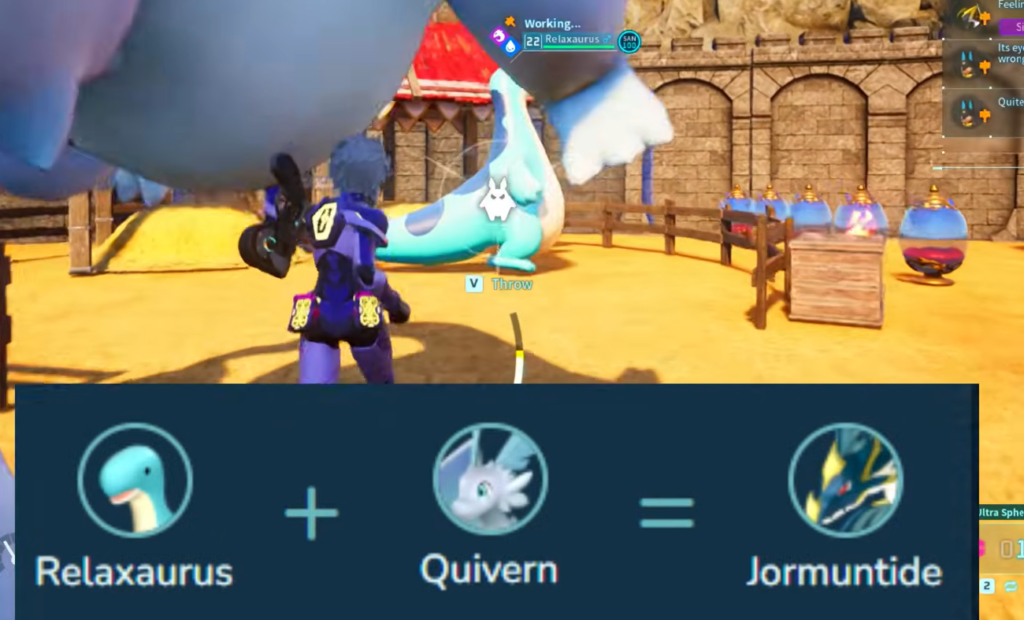
Set up the Breeding Farm and Cake
You know it worked when the hatched Pal is a Jormuntide Ignis. If you use one of the two special pairs above, the result is fixed, so a different Pal only appears if the parents were not the correct species or the pair lacked opposite genders.
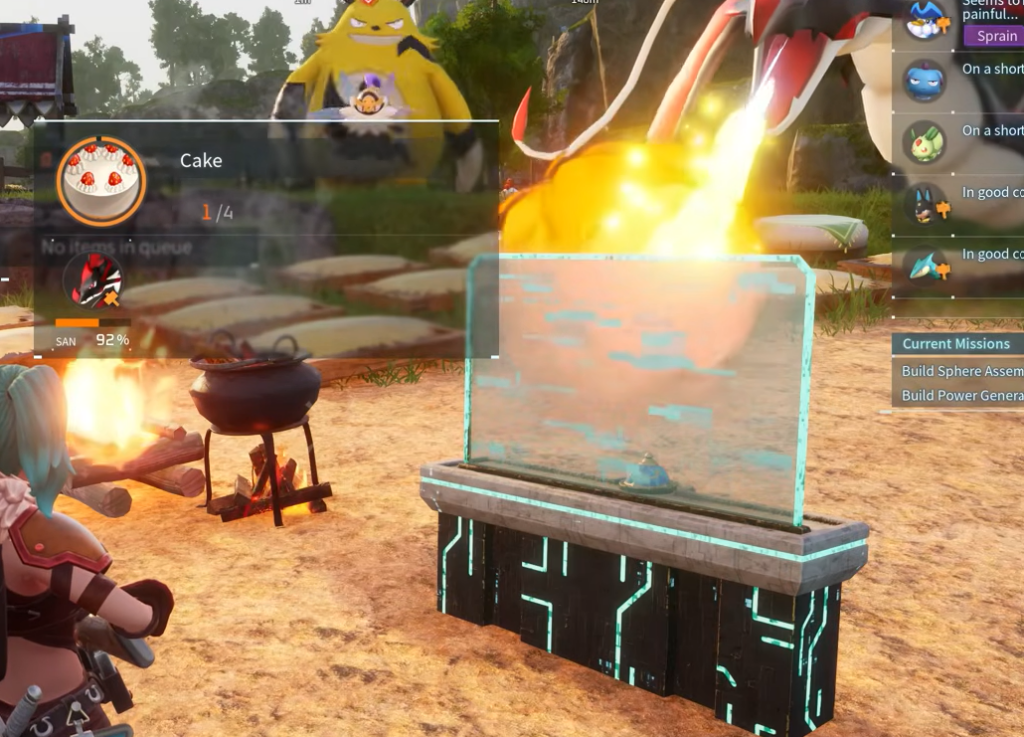
Cake ingredients
Keep a steady rotation of these on hand if you plan to breed more than one egg, since each hatch burns a full Cake.
- Flour
- Milk
- Eggs
- Honey
- Berries
Passing down passive skills
A child inherits between 1 and 4 passives from its parents, drawn at 40/30/20/10 percent odds. After that it can gain 0 to 3 random passives at the same 40/30/20/10 distribution. Because it is all probability, clean parent pools matter far more than luck on any single egg.
If you want traits like Lucky or Legend on your Jormuntide Ignis, start with a parent that already carries them and let the passive roll over. Breeding several eggs from the same clean pair is the reliable way to land the combination you are after.
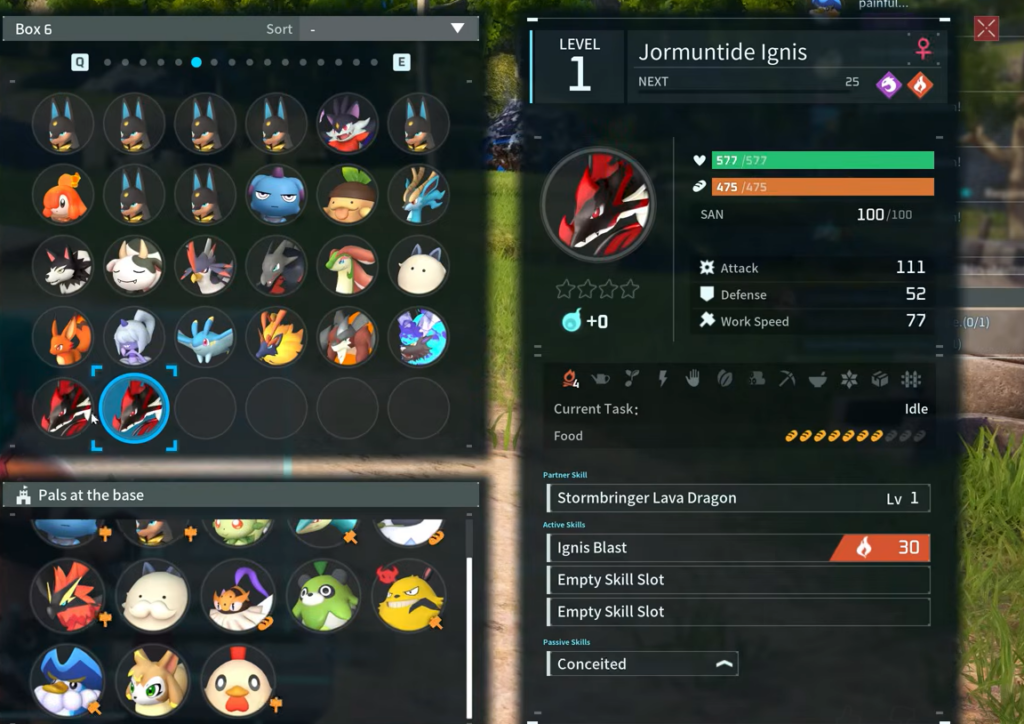
Catching one wild instead
You can skip breeding entirely if you are high enough level. Jormuntide Ignis spawns in the wild at levels 66 to 67 in the main region. That threshold is why breeding is usually the faster path early on, when you can already gather a low-level Blazehowl but cannot yet survive where the Fire dragon roams.
Either way, once you have your first Jormuntide Ignis, the mirror pairing lets you turn that single Pal into a small breeding line for perfecting passives without hunting down parents again.