
Aion 2 has more than a dozen currencies, and most of them only work in one place. Kina and Quna move between systems. Nearly everything else is tied to the shop for a single activity, like the Shugo Festival, Nightmare dungeons, the Abyss, the season, or the Daeva Pass. If you know which currency belongs to which shop, you won’t stockpile something you can’t spend.
Quick answer: Only two conversions exist. Unbound Kina and Quna trade through the player Exchange, which needs a Special Quai Membership, and Pending Quna becomes Paid Quna after 72 hours. Every other currency stays in its own shop.
Aion 2 currency list: Sources and shops
| Currency | Main sources | Spent in |
|---|---|---|
| Kina (Bound) | Quests, achievements, Daeva Pass, Exploration dungeons | Upgrades, crafting, NPC shops |
| Kina (unbound) | Open-world monsters, higher-tier dungeon chests, Market sales | Market, Kina Chest, Exchange |
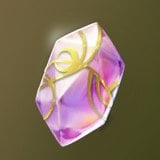 Quna | Real money, Kina ↔ Quna Exchange | Shugo Merchants, premium Daeva Pass |
 A2 Mileage | Eligible paid purchases | Mileage Shop |
 Abyss Points | PvP, Supply Requests, quests | Abyss Trade Shop |
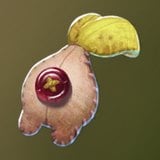 Centuryroot Token | Shugo Festival, achievements, attendance | Shugo Festival Shop |
| Phantasmal Fragment | Nightmare dungeons, attendance | Nightmare Shop |
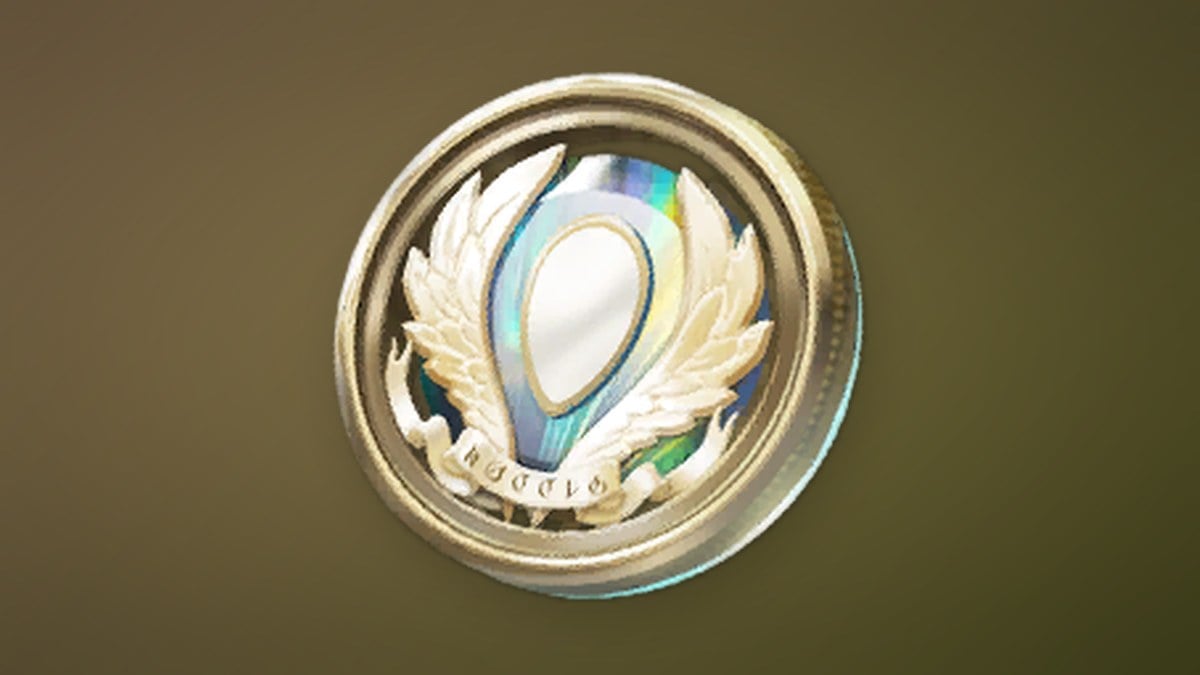
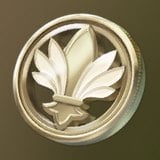 Oath Coin | Season Missions, seasonal ranks | Season Shop |
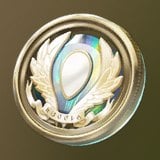 Daeva Pass Shop Coin | Premium Daeva Pass rewards | Daeva Pass Shop |
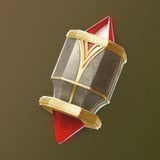 Arena Token | Arena | Arena Exchange Shop |
| Medals of Merit | Merit Chests | Abyss Trade Shop |
| Silentium | Dungeons and raids | Supply Requests, vendors |
The game also lists a few progression resources in its currency menus, including Enhance Stones, Daevanion Crystals, Soul Crystal Points, and Legion Coins. These feed specific upgrade systems rather than general shops.
Kina (Bound) vs. unbound Kina
Kina is the everyday currency, but your wallet shows it three ways. Kina (All) is the combined total of Bound and unbound Kina, not a third pool. The split matters because the two types can’t go to the same places.
- Kina (Bound) covers regular expenses like upgrades, crafting, skill and Daevanion board resets, and NPC purchases. Some content locks it out, most notably the player Market.
- Unbound Kina works everywhere Bound Kina does. It also buys player listings on the Market, opens Kina Chests through Substance Morph, can go into server storage, and can be traded for Quna.
- Spending order never changes: for a cost that allows either type, Bound Kina pays first, and unbound Kina covers any amount left over.
Bound Kina comes from main and regional quests, achievements, Daeva Pass rewards, and dungeons in Expedition on Exploration difficulty. Unbound Kina drops from open-world monsters and from reward chests in Expedition on Conquest difficulty, Transcendence, and Sanctuary. It also comes from selling items on the Market.
Two rewards can show the same Kina amount and still be worth very different things. Check whether a reward pays Bound or unbound Kina before you decide it’s worth farming.
Quna: Paid, Pending, and Complimentary
Quna is the premium currency, represented by a pink-and-gold gemstone icon. Shugo Merchants accept it for special goods, including cosmetics, appearance changes, services, and the premium Daeva Pass. You can obtain Quna by purchasing it with real money or trading unbound Kina for it on the Exchange. Quna cannot be converted directly into Kina. Instead, players sell unbound Kina chests for Quna on that same Exchange.
Your balance can hold Quna in more than one state:
- Paid Quna is the spendable balance from purchases.
- Pending Quna has a green gemstone icon and sits in a waiting period. It turns into Paid Quna automatically after 72 hours. It can’t be exchanged for Kina, and it doesn’t turn into Mileage.
- Complimentary Quna buys the same Shugo Merchant goods but is tracked separately from Paid Quna.
A2 Mileage serves as its own loyalty balance. Some qualifying purchases, including certain paid skins and Quna bundles, award Mileage in addition to the item. It can be used only in the Mileage Shop and cannot be converted to Quna or Kina.
Shugo Merchants such as Gabru, at Cantas Valley Base in Verteron, sell the special goods Quna is meant for.

Kina ↔ Quna Exchange and the Special Quai Membership
The Exchange connects gameplay earnings with the premium economy. Players list unbound Kina and Quna against each other, and supply and demand shift the rate, leaving no set price. Items go through the Market; currencies are handled by the Exchange. Both require an active Special Quai Membership.
The membership lasts 30 days and covers your whole account. Here’s what it does:
| Benefit | Without membership | With membership |
|---|---|---|
| Market access | No | Yes |
| Quna Exchange access | No | Yes |
| Wind Breeze Merchants access | No | Yes |
| Remote Storage | No | Yes |
| Login queue priority | No | Yes |
| Max Odyle Energy | 560 | 840 |
| Max Shugo Festival Reward Keys | — | 21 |
Members also get more Odyle Energy Cube selections in Expedition, Transcendence, and Sanctuary. In practice, this is the route for players who don’t want to spend money. You earn unbound Kina, trade it for Quna, and use that Quna on the premium Daeva Pass.
Hiru is one of the Wind Breeze Merchants the membership unlocks. You can find Hiru at the Wind Breeze Merchants HQ, Kochi’s Quarters, and Dodo’s Stolen Goods Stash in Verteron, and at Lamnah Base.
Activity currencies: Centuryroot Tokens, Phantasmal Fragments, Oath Coins, Daeva Pass Shop Coins
Centuryroot Token
Centuryroot Tokens come mostly from the Shugo Festival mini-games, like racing, jumping, and dodging, which open for a short window every hour. Achievements and attendance rewards add a few more. The Shugo Festival Shop sells cosmetics, pets, wings, and consumables such as Soul Crystals, Wisdom Stones, and Daevanion Crystals.
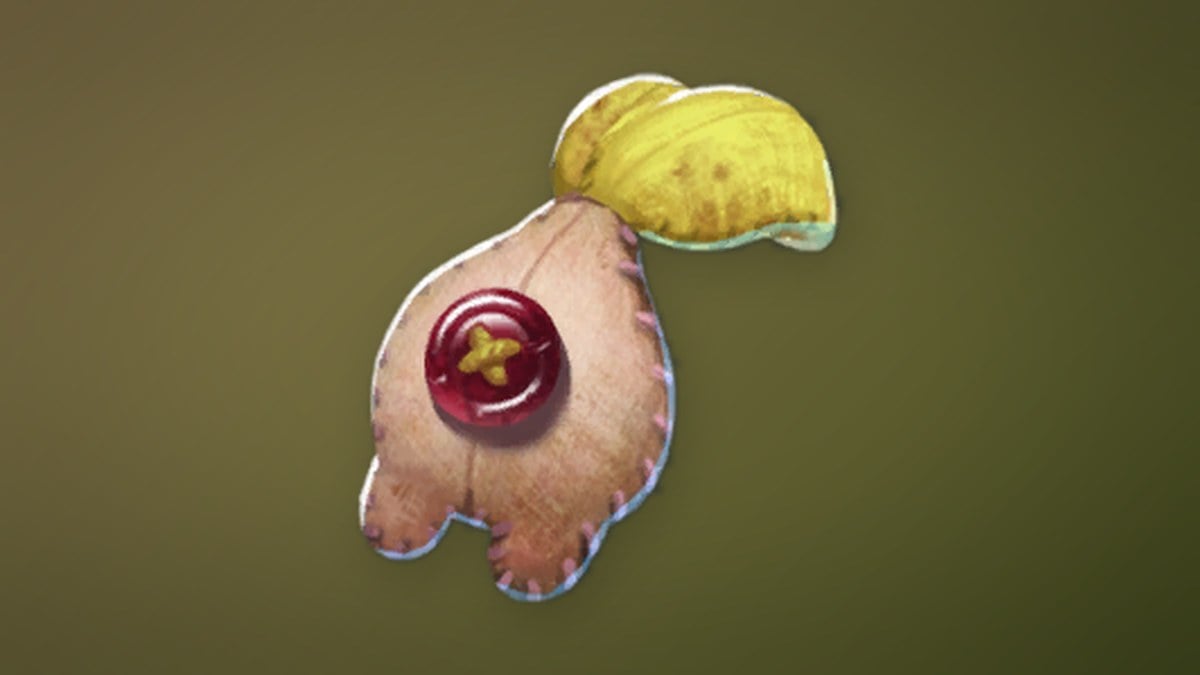
Phantasmal Fragment
Phantasmal Fragments drop in Nightmare dungeons, which are solo boss fights that get harder at each stage. Attendance rewards add a few more. You can only spend them in the Nightmare Shop, which stocks cosmetics, pets, wings, and Pantheon statues that raise your stats.
Oath Coin
Oath Coins are the Season Shop currency. You earn them from Season Missions and rank rewards in seasonal modes. The shop sells Hidden Cube keys, crafting materials, pet chests, wings, and limited items like Arcana cards and Appearance Change Vouchers. Each season and chapter has its own coin, such as Oath Coin: Season 2 or Oath Coin: Chapter 1. Coins from one season don’t work in another season’s shop.

Daeva Pass Shop Coin
Daeva Pass Shop Coins come from the premium track of the Daeva Pass, which costs 1,500 Quna. You spend them in the Daeva Pass Shop on seasonal cosmetics and pets. The coins belong to one character, can’t be traded, and are separate from Oath Coins. Each pass has its own version, including Season 2, Season 3, Chapter 1, and Returning.
On Global servers, Season 1 Daeva Pass Shop Coins expire on December 15, 2026. Spend them before then.
Abyss Points, Arena Tokens, Medals of Merit, and Silentium
Abyss Points are the faction war currency, marked with a blue center symbol. PvP is the main source, including the Abyss, Battlefield, and Arena. You don’t have to fight other players to earn them, though. Quests, Supply Requests, field events, Shugo Festival mini-games, seasonal challenges, sealed dungeons, strongholds, and Dimensional Invasions all pay out Abyss Points too. You spend them in the Abyss Trade Shop on PvP gear, upgrade items, consumables, appearances, and pets.

- Arena Tokens are earned in the Arena and spent in the Arena Exchange Shop.
- Silver, Gold, and Platinum Medals of Merit come from Merit Chests, such as those from Nahma, Argo, and Kaira, and are spent in the Abyss Trade Shop.
- Silentium drops in Krao Cave, Urugugu Canyon, Fire Temple, Draupnir, and Vakron Sky Island. You can turn it in through Supply Requests for Abyss Points or sell it to shops for Kina (Bound).
Even if you mostly play PvE, check your Abyss Points now and then. Supply Requests and dungeon Silentium add to that balance quietly, and you may already have enough for something useful in the Abyss Trade Shop.