Grow a Garden 2 keeps the slow, satisfying loop of the original Roblox farming game and layers competitive systems on top of it. You still buy seeds, plant them, let crops grow even while you are offline, and sell the harvest for Sheckles. The big change is that your garden is no longer a safe space after dark, and most of the new mechanics push you to decide whether you want to farm peacefully or fight for an edge.
Quick answer: Grow money during the day by keeping every plot planted and harvesting on time, defend your crops at night when other players can sneak in and steal them, then reinvest profits into better seeds, pets, gear, plot expansions, and a guild.
Grow a Garden 2 game overview
The sequel launched on June 12, 2026 at 5:00 PM UTC, which is 1:00 PM EDT. Players who invited five friends through the official site could join early access one hour before that. It is free to play and runs on Roblox across PC, mobile, and consoles.
| Detail | Information |
|---|---|
| Game name | Grow a Garden 2 |
| Release date | June 12, 2026 (5:00 PM UTC / 1:00 PM EDT) |
| Price | Free to play |
| Platforms | PC (Windows, Mac), mobile (iOS, Android), PlayStation, Xbox |
| Genre | Farming simulation |
| Core loop | Grow → Expand → Steal → Defend → Sell → Reinvest |
You can launch the game directly from its Roblox listing.
Day and night cycle and the stealing system
The day and night cycle is the mechanic that ties everything else together. During the day you farm, harvest, shop, and manage plots in peace. When night falls, the rules flip and players can enter other gardens to steal crops.
 Shivam Malani
That means a fully grown harvest left sitting overnight is a target. The practical move is to harvest valuable crops before the sun sets, because a sold crop is safe and an unharvested one is not. If you enjoy the aggressive side, night is when you go hunting for rich gardens to raid. Either way, both halves of the cycle feed the same goal of building Sheckles faster than your rivals.
Plants, seeds, and the Super rarity
Seeds are still the foundation of everything. The Seed Shop works much like the first game and uses a rotating stock that refreshes roughly every five minutes. Valuable crops are not always on the shelf, so if you want a specific seed it is often smarter to wait for the next refresh than to settle for a weaker option. When a strong crop appears, buy it before the timer swaps the stock.
Shivam Malani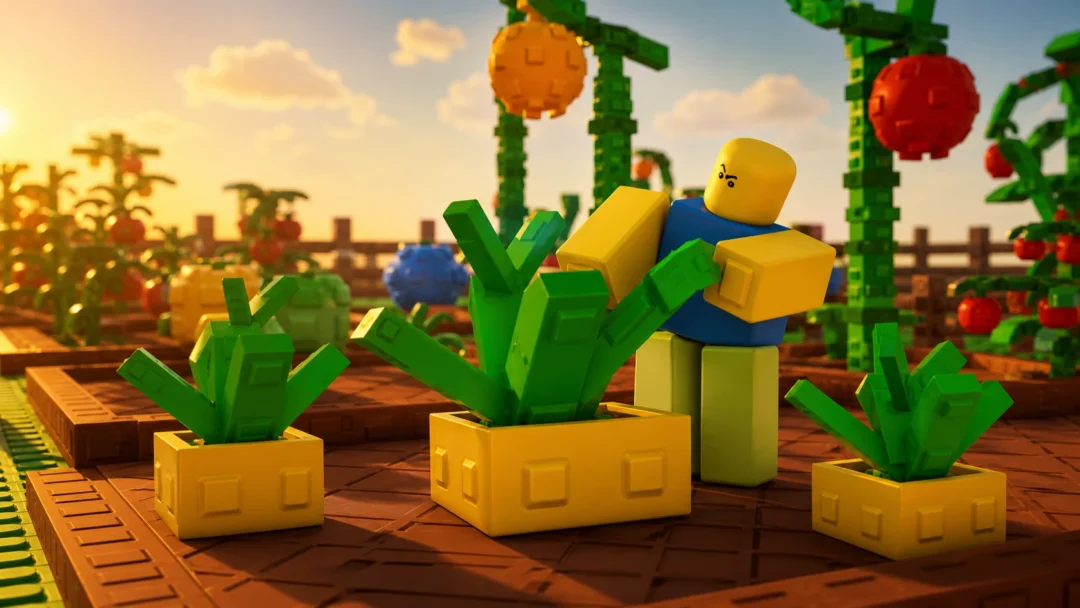
The sequel adds a new rarity called Super, sitting above the familiar tiers. Plants now also contribute to defense, so crop choice is no longer only about profit. Bamboo is a reliable early pick because it balances low cost against steady returns. Avoid sinking all your money into one expensive crop early. A full, consistently harvested garden beats a single gamble.
Shivam Malani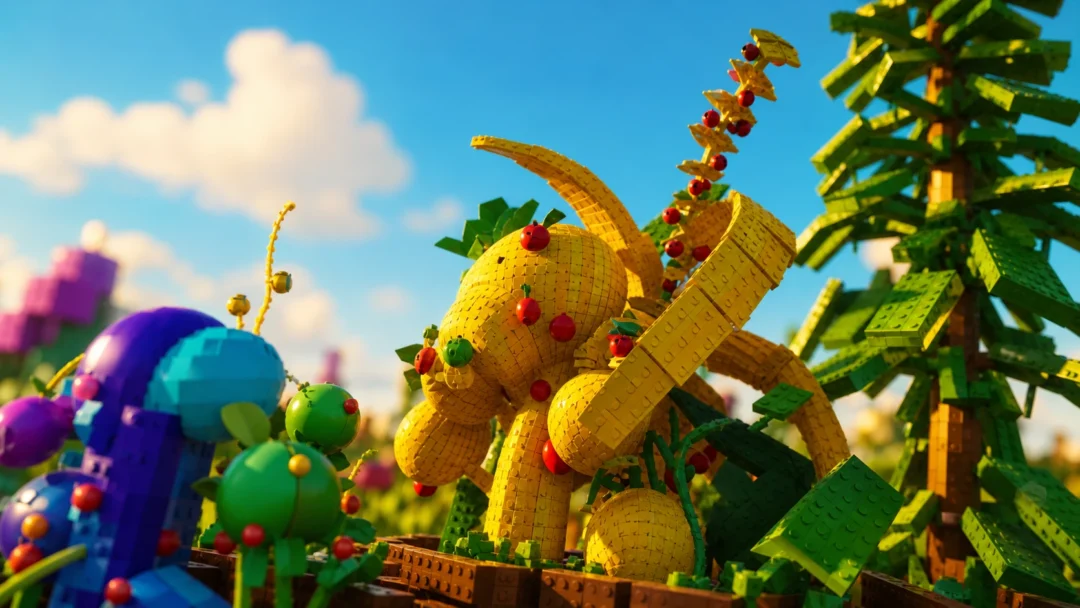
Golden, Rainbow, and mutated crops
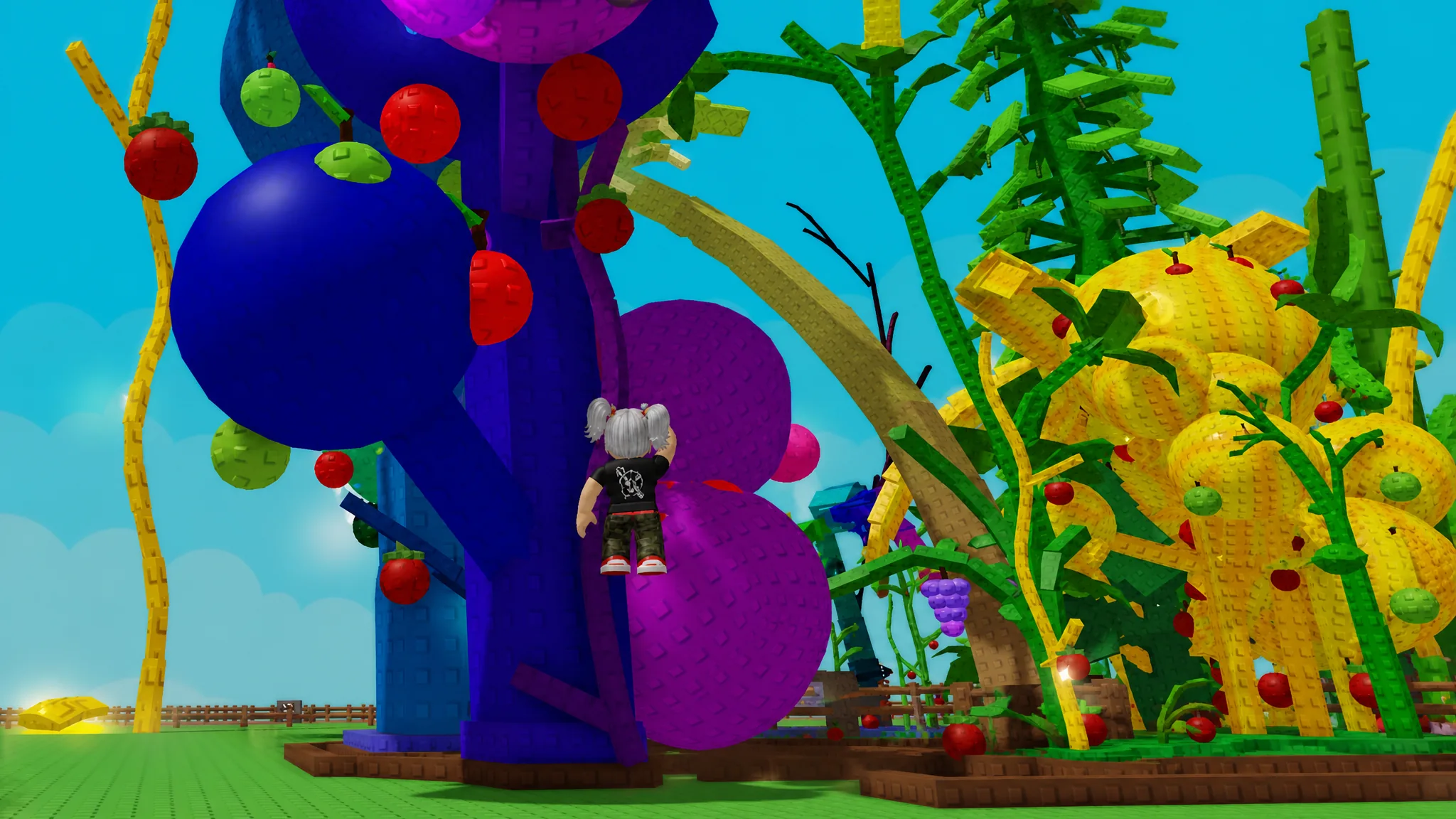
Golden and Rainbow variants return and are worth far more than standard harvests. Golden crops are very rare, and Rainbow crops are rarer still. Mutations stack on top of this, adding special traits that push a crop’s value well beyond normal. Both appear at random, so the dependable strategy is volume. The more crops you grow and harvest, the more chances you create for a rare variant or mutation to land.
Pets and how to get them
Pets work differently from the original, where they only sped up plant growth. Here they help with growth and defense, and you no longer hatch them from eggs at your base. Pets appear directly in the world, and you buy them with Sheckles.
After you buy a pet, it walks across the map toward your garden and only joins your collection once it arrives. Each pet carries a passive ability, such as faster movement that lets you reach shops, harvest, and react to night raids more quickly. Because those bonuses are always active, even small boosts add up over a long session.
Shivam Malani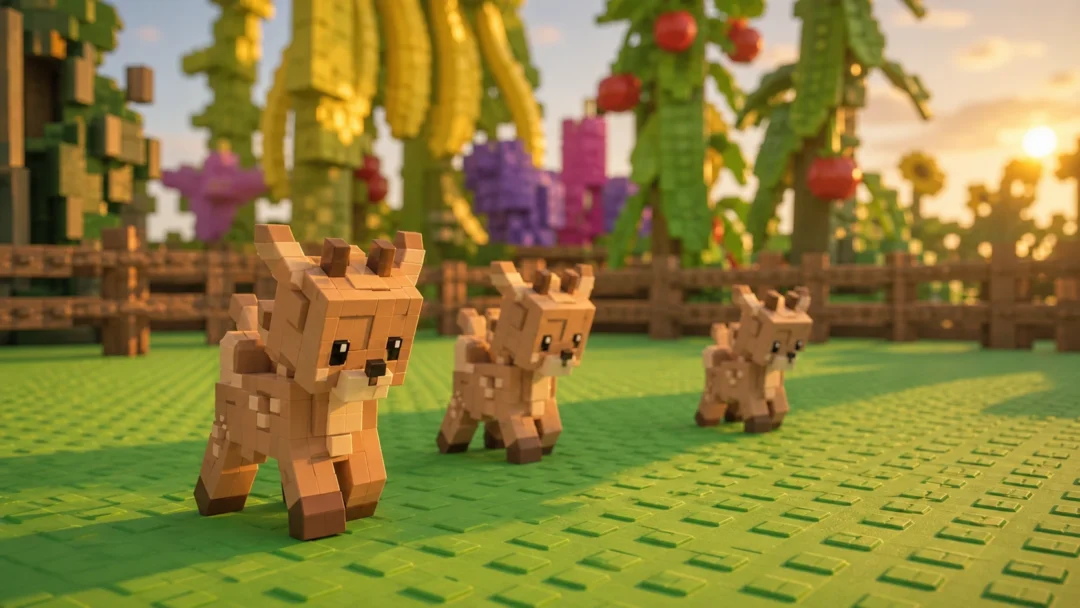
There is a catch. A pet in transit is not yours yet, and another player can interfere or buy it before it reaches you. That makes high-value pets a point of competition, which is why players chasing the rarest companions often shop on private servers to avoid losing them.
Gears for growing, stealing, and defending
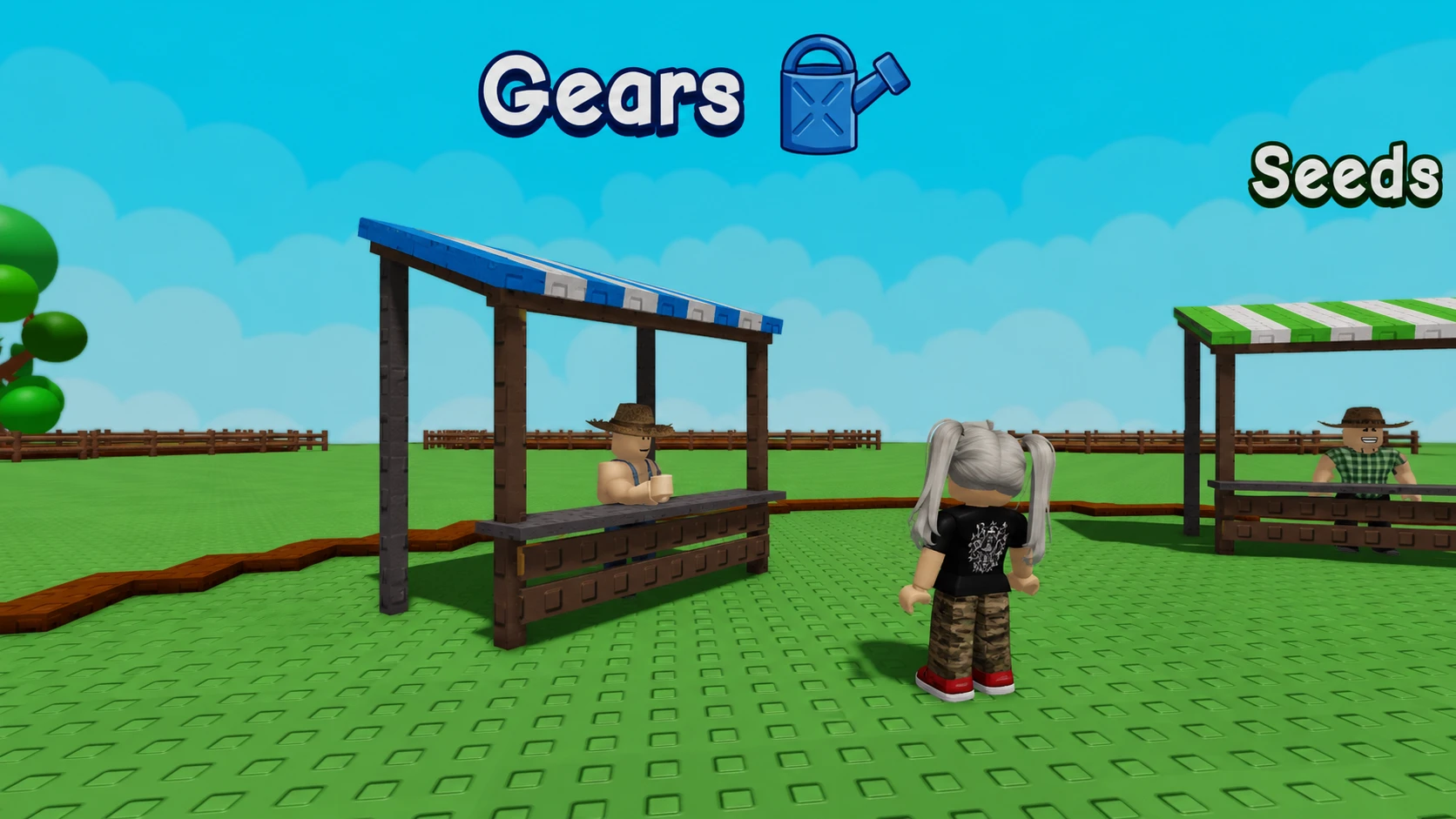
Gear covers three jobs in Grow a Garden 2. Some items speed up plant growth, some help you steal, and some defend your garden. The Gear Shop stocks both utility and defensive tools, including teleporters and flashbang-style items that make it harder for thieves to clear out your plots.
Sprinklers carry over from the original and stay valuable. They improve crop production and efficiency, and they matter more as your garden grows because each sprinkler supports more plants at once. If stealing becomes a recurring problem, defensive gear usually saves more than it costs.
Props, cosmetics, and build mode
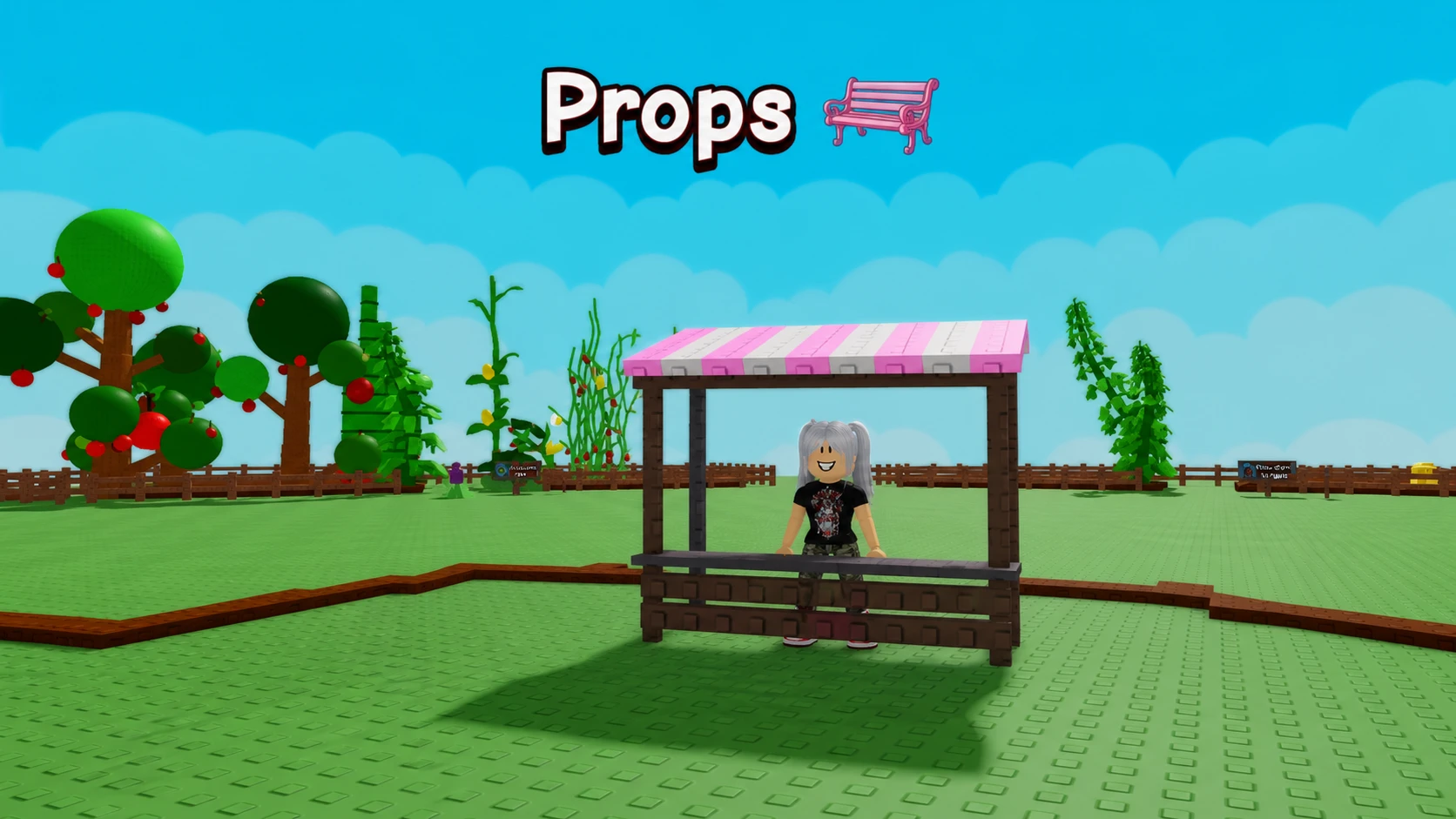
Props are more than decoration. You can use them as part of your garden’s defense, and pairing them with defensive plants helps you turn a plot into a fortress and clear guild quests. Cosmetics come mainly from crates, which reward decorative items you can place around your property.
Shivam Malani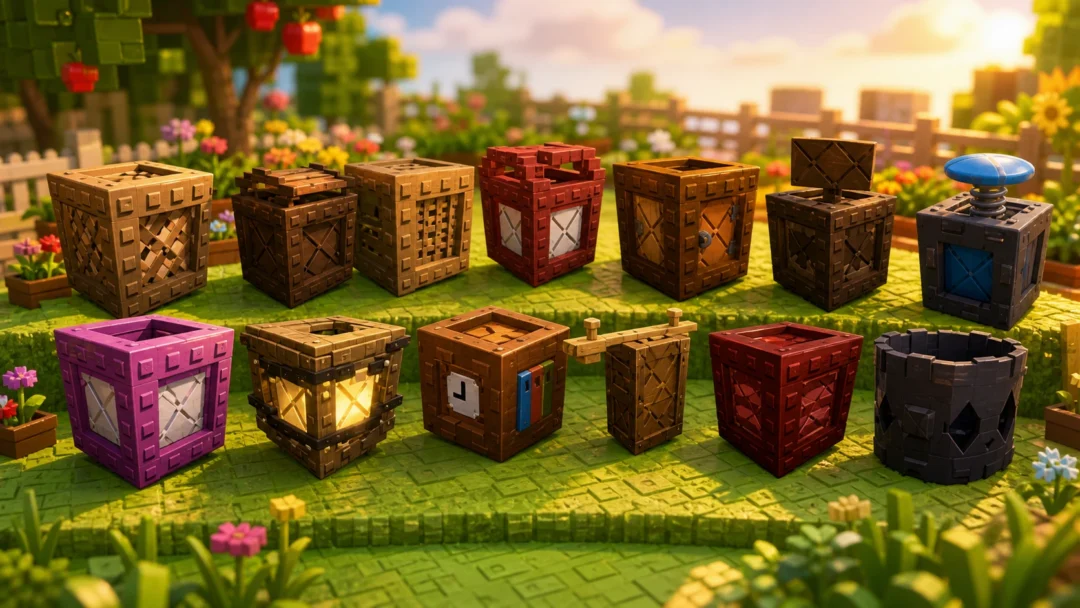
All placement happens through the Build Menu. Once you own a cosmetic or prop, enter build mode and drop it wherever you like, then use a build hammer to remove or rearrange pieces later. That flexibility lets you keep reshaping your layout for looks or defense.
Plot expansion and mushrooms
Garden size is no longer fixed. You can buy plot expansions to unlock more farming space, and many experienced players prioritize this because more land means more crops planted at once, higher income, and room for decorations. A bigger garden almost always means bigger profits.
Special mushrooms act like temporary potions you find around the world. Jump Mushrooms boost mobility for getting around the map, which helps during night activities, while Invisibility Mushrooms keep you hidden during steal attempts. Because the effects are temporary, it is worth saving them for moments that matter instead of using them on sight.
Guilds and guild competitions
Guilds are the largest social feature in the sequel. You can create one and invite friends, though creation costs Robux, which makes it a longer-term investment rather than a day-one buy. Once formed, a guild acts as a team that competes in events and earns shared rewards.
Guild leaders can edit the name and image, manage and invite members, and upgrade the member cap beyond its default. Guild competitions are periodic events with objectives that change each time, so they stay fresh. The aim is to climb the leaderboard above rival guilds, and active members who coordinate around shared goals tend to progress far faster than solo players.
Weather events and mutations
Weather events return and run periodically. When one hits, certain plants can gain bonuses that raise their value or effectiveness. Because weather is random, many players leave their gardens running while away in hopes of catching a boost, and those bonuses get especially strong when they stack with rare crops and mutations.
Shivam Malani
Admin events from the developers also appear on top of the regular weather, so there is usually something running. Mutations remain one of the most profitable mechanics, and the same volume rule applies. A large, active garden simply gives mutations more chances to trigger, which is why high-value harvest hunters lean into mutation farming.
Codes for free rewards
Like the original, Grow a Garden 2 supports codes you can redeem for free rewards such as seeds, packs, and Sheckles. Redeem them inside the game when codes are live, and you will know one worked when the reward lands in your inventory or balance.
Put together, the loop is simple to start and deep to master. Keep your plots full during the day, harvest before nightfall, defend against raiders, and funnel every profit back into seeds, pets, gear, land, and eventually a guild. The players who win are the ones who treat farming, stealing, and defending as one connected system rather than separate activities.