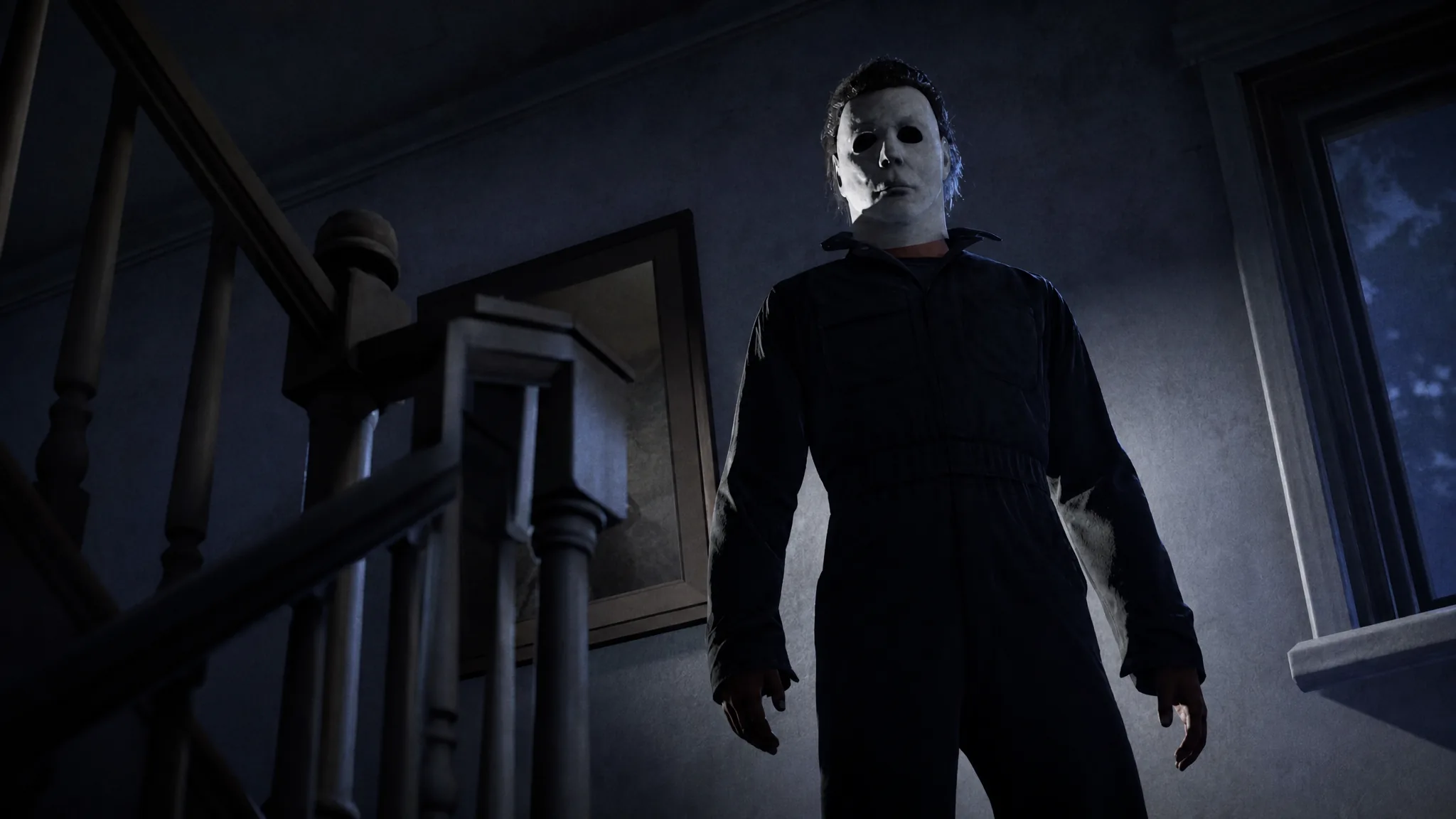
Halloween: The Game drops one player as Michael Myers against four Heroes of Haddonfield, and your first matches will feel messy until you understand what each side is actually trying to do. This is not a straight race to the exit. Civilians win by keeping people alive, and Michael can win without a full kill count. Learning the loop early is what separates a clean night from a quick death.
Quick answer: As a civilian, arm yourself, turn on lights, get the police called, and guide other survivors to exits instead of leaving alone. As Michael, stalk targets to raise your power before attacking, use Shape Jump to cut off routes, and thin out the NPCs first.
How each side wins in Halloween: The Game
The developer behind Friday the 13th: The Game built this asymmetrical horror sandbox around competing objectives rather than a single escape gate. Michael must keep an eye on several houses at once, which is why exit-camping does not work here. You can see the full launch details on the official Steam page.
| Role | How you win |
|---|---|
| Heroes of Haddonfield | Rescue enough families and survive until police arrive, or escape through a map exit. |
| Michael Myers (The Shape) | Eliminate the Heroes or stop the rescues before the timer runs out. |
Michael does not need to kill everyone. A Michael who denies rescues and forces Heroes to abandon families can win with zero eliminations, so map control matters more than kill count.

Playing as a civilian: don’t just run for the exit
Finding an exit and leaving is not the whole point of a match. There are items to gather, objectives to finish, other civilians to help out, and even chances to hurt Michael. Slipping out the moment a route opens usually means Michael still wins the round.
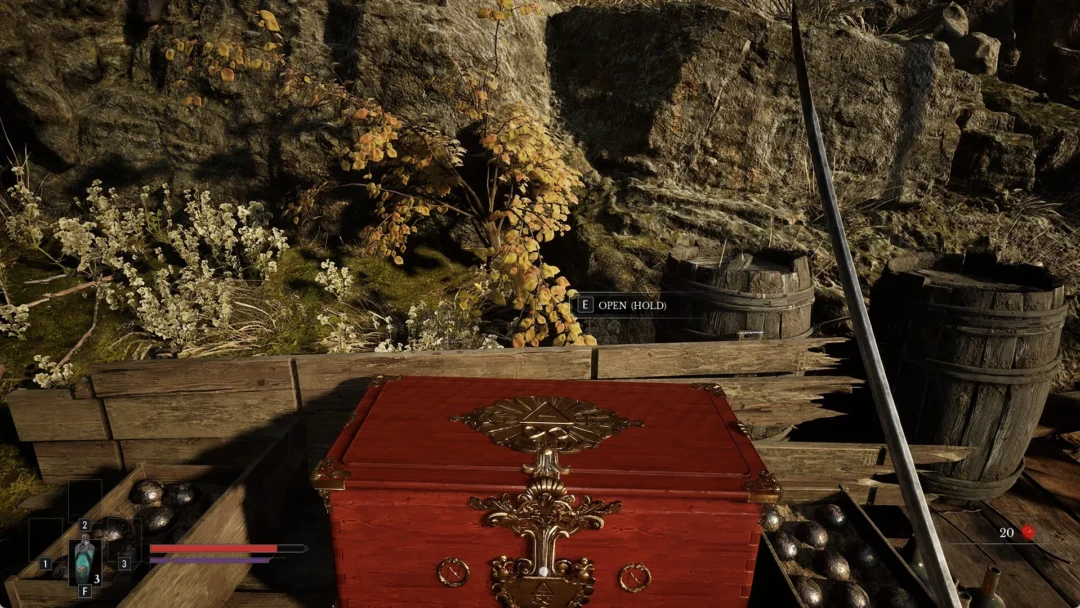
Search before you sprint. Houses, fridges, and other rooms hide weapons and useful items. You do not want to run into Michael empty-handed, so take time to loot as you move and learn where supplies tend to appear.
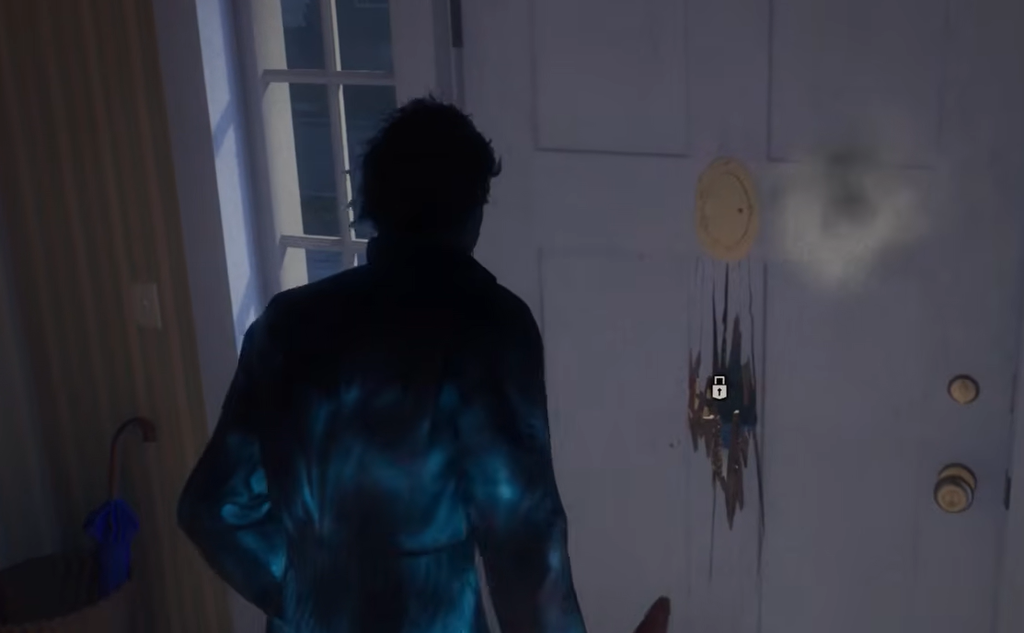
Turn on every light you can. Lit doors and windows stop Michael from phasing through them with Shape Jump, even when they are locked. Light also lowers his Bloodthirst over time, which can give your group an edge in a fight.
Get NPCs to call the police. You can make the call yourself, but that requires a minigame you can fail. NPCs are faster and cannot fail once they are aware of the danger, so hand that job off and spend your time securing the house and looking for supplies.
Read the mini-map. Most escape methods need a set of tools such as keys, gas, or a repair kit. When a player carries a key item, its icon shows on their marker, and broken-down vehicles appear on the map too. Match the items to the escape point and you are close to getting out.
It is not about you, and there is strength in numbers. Return to the civilians you warned and steer them toward unlocked exits. Stay together, because a group of armed survivors can knock Michael down, block an execution, and blind him with light. Splitting up is exactly what he wants.
Tip: Every civilian has different stats and perks. Try several before you settle on a favorite, since a character that feels great in one match may not fit how you like to play.
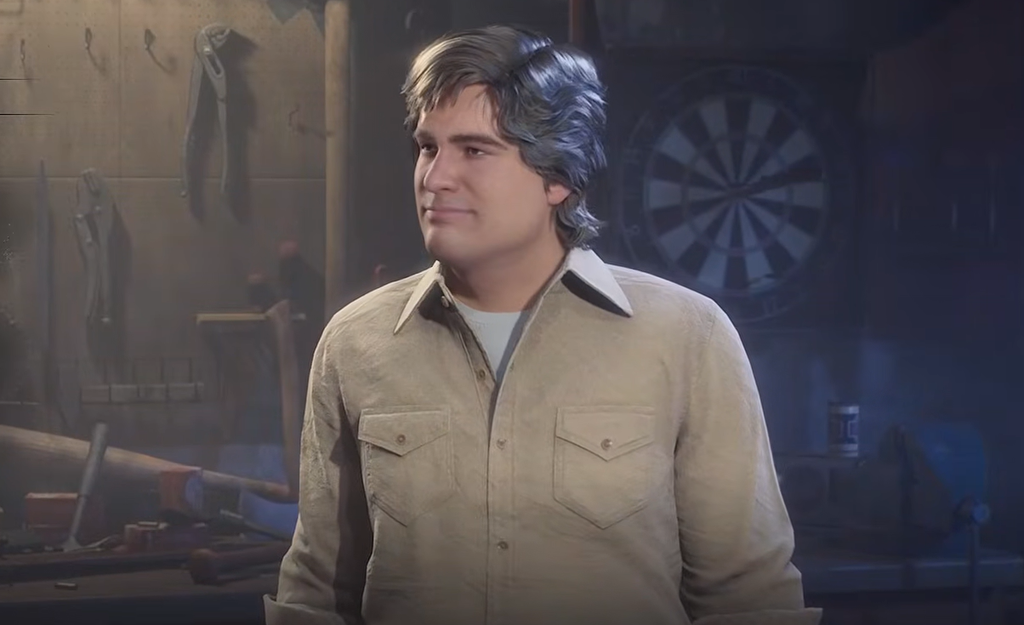
Playing as Michael Myers: stalk, then strike
Before your first online match, run through the solo campaign. It doubles as a tutorial, and its tooltips explain the finer points of your kit, including the fact that Shape Jump lets you pass through locked doors and windows, not just fly around the map.
Stalk before you attack. Standing close to a target fills a circular bar, and using Killer Sense to stare at them pushes their stalk level higher, up to level 3. A level 3 stalk marks the target and makes it much harder for them to break free when you grab them. If you are unsure what to do, stalk.
Stop chasing and start appearing. Michael is slower than the civilians, so a footrace rarely ends well. Use Shape Jump to appear around corners, cut off escape routes, and surprise people. Make the map work for you instead of following someone down the street.
Focus on the NPCs early. You do not have to kill everyone to be a menace. Clearing NPCs first builds your power and stops them from warning other survivors, so save the human players until you are stronger.
Search houses for residents. Civilians are not all wandering in the open. Learn which houses tend to hold people and which areas are worth checking first, and you will spend far less time searching aimlessly.
Control the exits. Once you know where civilians spawn and where they can leave, you can post up on the routes they must pass through. Cutting off escape is how an experienced Michael strangles a match.
Note: Police officers are generally not worth your time, since they give very little score even at a level 3 stalk. You can, however, stalk a body you have already killed to keep building power. Just don’t let a player who is baiting you drag you away from your real targets.
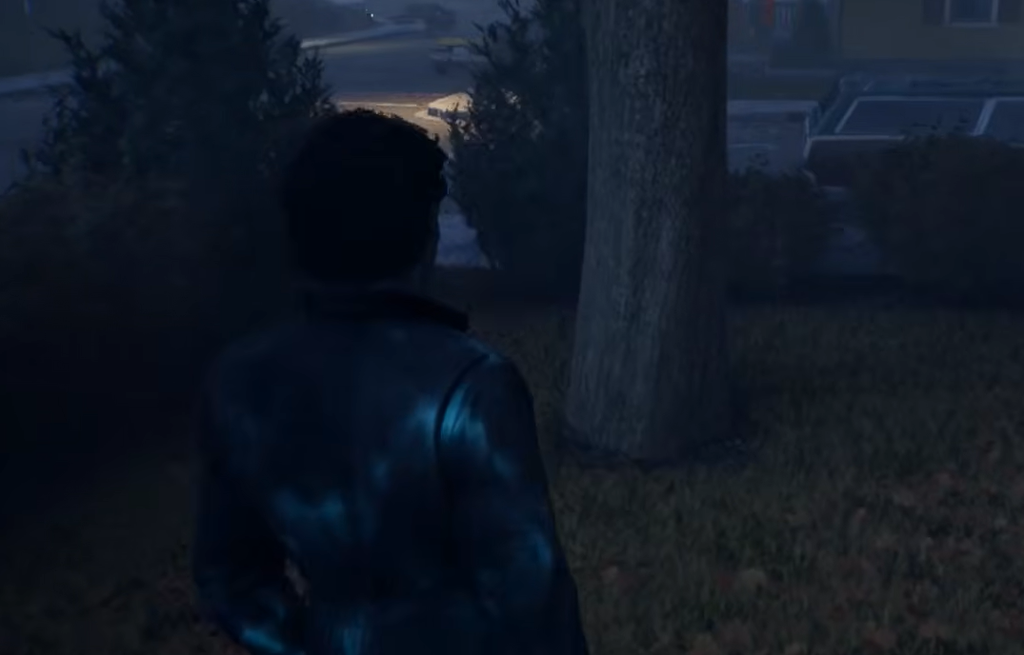
Managing Bloodthirst as Michael
Stalking, executing, and generally terrorizing the neighborhood builds your Bloodthirst meter. As it rises, your melee strength goes up, cooldowns shorten, and Shape Jump travel gets faster. That extra melee power is critical when grabbing is not an option and armed players are swarming you early in a match.
The catch is that Bloodthirst drains. Standing in light, taking damage, and getting knocked down all strip your buffs, which is another reason to build the meter on NPCs before you confront human players.
Use melee to destroy key objects
Michael’s melee is not only for hurting people. A hit can wreck cars, phones, phone boxes, power switches, and even the CB radio, cutting off the tools civilians rely on. Heavier weapons like the axe are strong enough to break these objects in a single swing. Once you spot which objects a house depends on, smashing them makes the whole area far more dangerous for survivors.
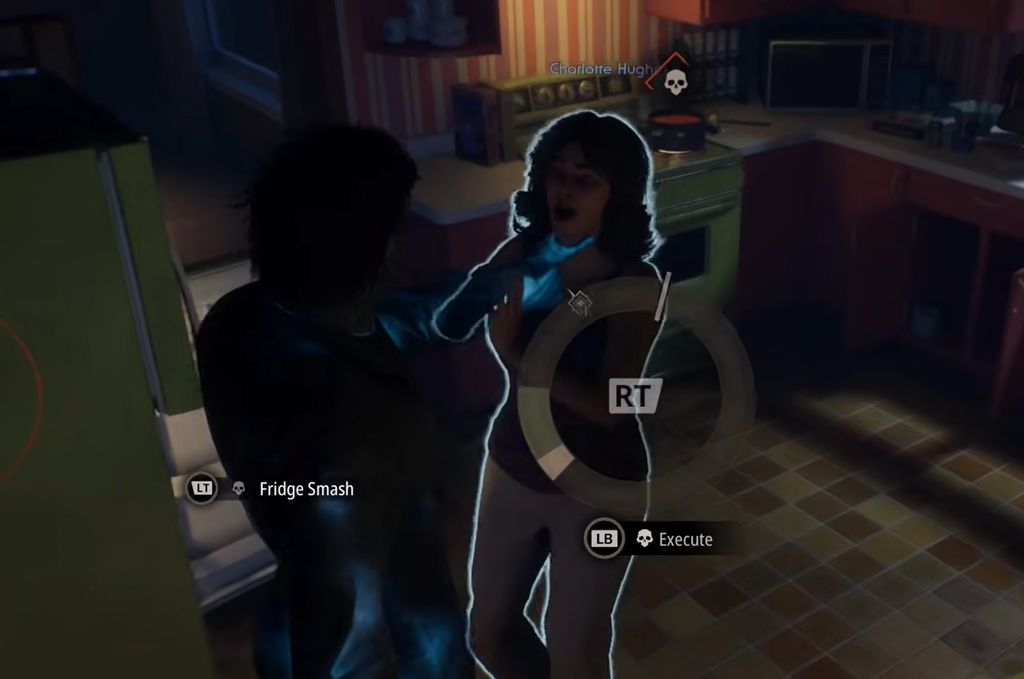
Household weapons and how they behave
Civilian weapons stagger and briefly disable Michael rather than doing heavy damage, so they are tools for buying time, not for winning fights outright. Each type trades swing speed for stun length and how likely it is to break.
| Item | Swing / Stun | Best use |
|---|---|---|
| Kitchen Knife | Fast swing, short stun, low break chance | Interrupting grabs and escaping |
| Fire Poker | Medium swing, medium stun | Balanced defense and guarding objectives |
| Baseball Bat | Slow swing, long stun, high break chance | Coordinated team stuns only |
| Frying Pan | Fast swing, medium stun, high break chance | Desperation plays and noise distractions |
| Lamp / Vase | Very fast, very short stun | Breaking line of sight for a quick juke |
The Baseball Bat looks great on paper, but its slow swing means you often trade hits with Michael, and that trade never favors you. When two players alternate stuns, they lock Michael down far longer than one person swinging over and over, so call your hits and take turns.
Both sides come down to the same idea. Civilians survive by cooperating, keeping lights on, and moving people to safety, while Michael wins by staying patient, stalking to build power, and using Shape Jump to appear where nobody expects him. The map itself is the biggest advantage a veteran holds over a newcomer, so a few nights spent learning spawn points and exits will do more for your win rate than any single trick.