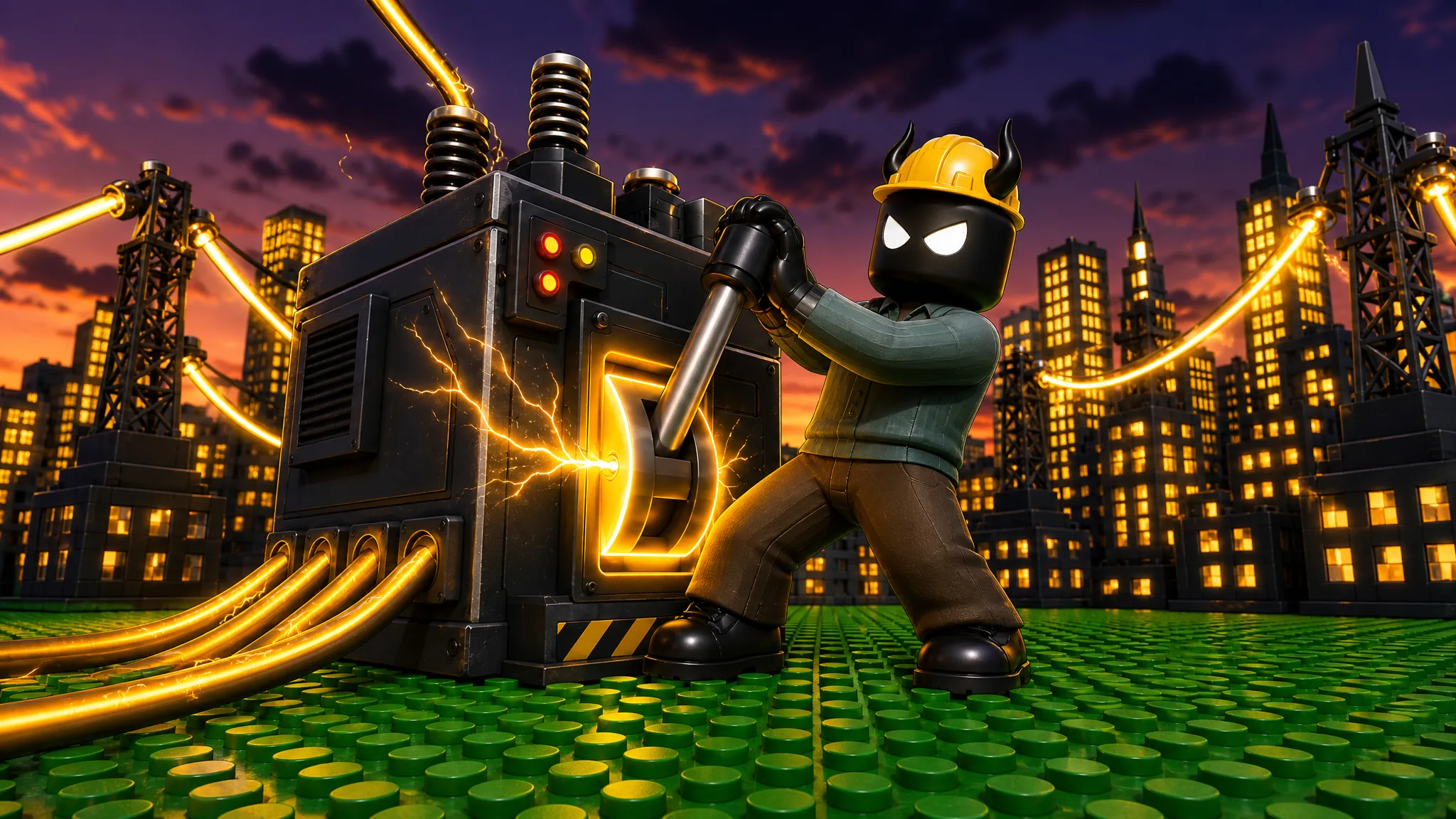
This Roblox power tycoon runs on one idea: cities pay you cash every second for the electricity you feed them, and you scale from a single wind turbine on a small plot up to a futuristic metropolis. Alongside the building loop, you can sneak onto other players’ bases and siphon their power with an extension cord, which is where the “stealing” part comes in.
Quick answer: To steal power, walk to another player’s base while they are not actively standing in it, grab their power with the giant plug or extension cord, and carry it back to your own base. If the owner is present, they catch you and knock you out, and you get nothing.
How the power-for-cash loop works
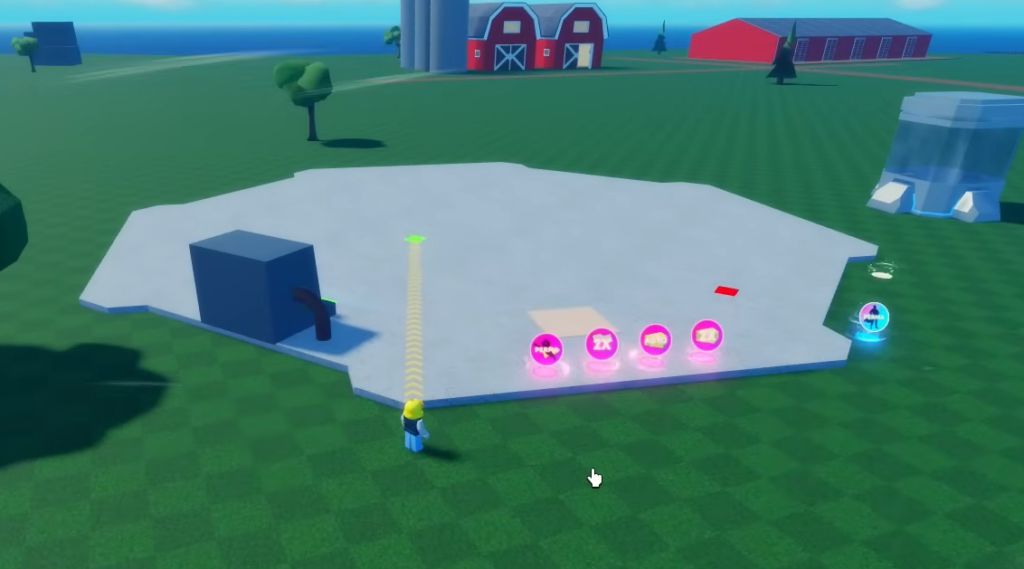
Every city has a fixed demand, meaning the amount of power it is willing to buy. Selling up to that number pays cash per second. Once demand is filled, any extra power you generate is wasted and earns nothing more. Placing a third wind turbine on a village that only needs three power will not raise your income beyond the cap.
The way to earn more is to raise demand, and you do that by upgrading the city. Stand on your city and press Upgrade to move it to the next tier, which increases how much power it will buy and how much cash it pays. So the rhythm is simple: add generators until demand is met, upgrade the city to unlock higher demand, then add more generators to fill the new ceiling.
City tiers in order
Cities climb through seven tiers. Each step increases demand and cash output, ending in the endgame Solarpunk City.
| Order | City tier |
|---|---|
| 1 | Village |
| 2 | Neighborhood |
| 3 | District |
| 4 | Urban Center |
| 5 | Metropolis |
| 6 | Bio-Spire |
| 7 | Solarpunk City |
Generators and their costs
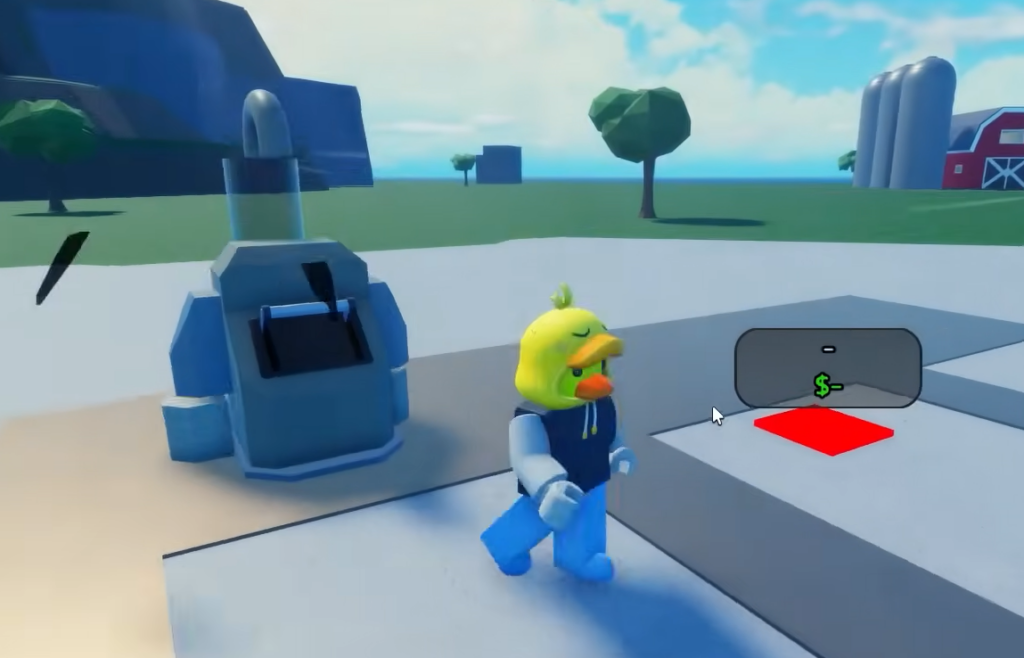
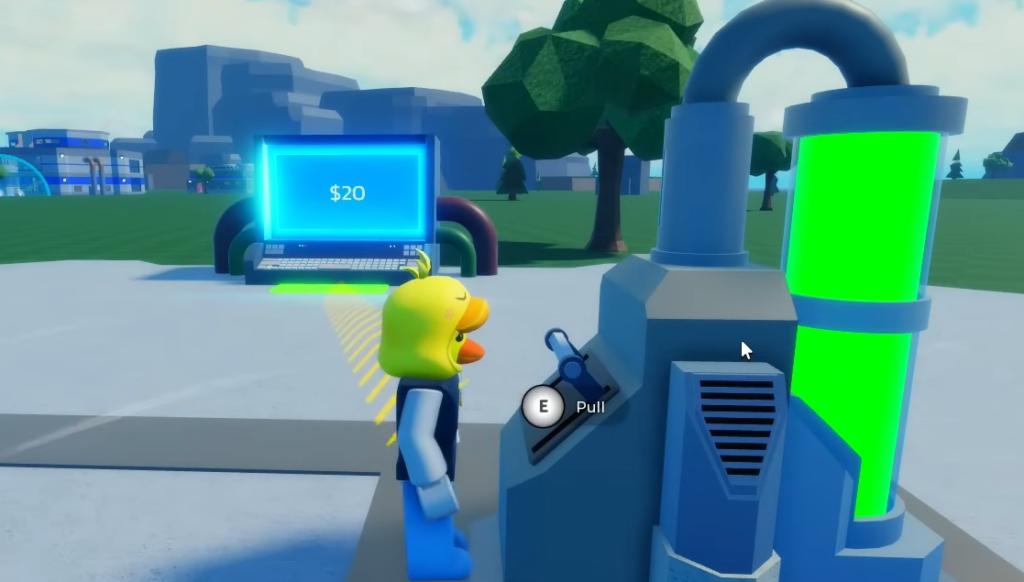
Generators are your income engine, and they scale from cheap wind turbines into billion-dollar late-game plants. Each type belongs to an energy category, such as Wind, Solar, Fossil, Thermal, Hydro, or Nuclear, which matters for weather events and zone bonuses.
| Generator | Cost |
|---|---|
| Turbine | $1,400 |
| Basic Solar Panel | $2,500 |
| Solar Panels | $5,000 |
| Small Bio Plant | $12,000 |
| Coal Furnace | $25,000 |
| Oil Burner | $60,000 |
| Small Gas Plant | $100,000 |
| Geothermal Plant | $180,000 |
| Coal Thermal Plant | $400,000 |
| Small Dam | $750,000 |
| Oil Plant | $2M |
| Large Bio Plant | $3.5M |
| Large Gas Plant | $5M |
| Small Nuclear Power Plant | $18M |
| Medium Nuclear Power Plant | $50M |
| Solar CST Field | $70M |
| Large Dam | $200M |
| Large Nuclear Power Plant | $400M |
| Particle Accelerator | $700M |
| Black Hole Plant | $2.5B |
Weather events change your output
Weather is not just visual. Heat waves and blizzards apply multipliers that raise or crush specific generator types while also changing how much power cities demand. The lesson is to keep a mixed grid so a single event never zeroes out your income.
| Multiplier | Heat Wave | Blizzard |
|---|---|---|
| Demand | x1.4 | x1.3 |
| Solar output | x1.5 | x0.1 |
| Nuclear output | x0.7 | x1.4 |
| Hydro output | x0.85 | x0.85 |
| Thermal output | x1.25 | — |
| Wind output | — | x1.3 |
During a heat wave solar plants surge while nuclear droops, and during a blizzard solar nearly stops while nuclear and wind climb. Because demand also rises in both events, matching your strongest generators to the current weather is how you cash in on the spike.
Zones and P Tokens
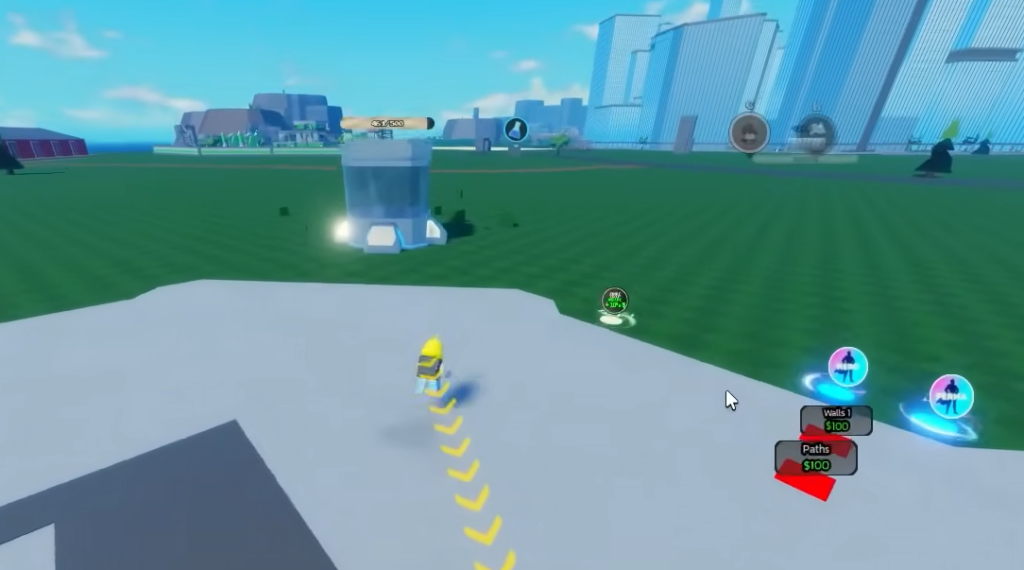
Expanding your plot unlocks specialized environmental zones for Solar, Hydro, Nuclear, and Futuristic energy. Placing a matching generator inside its zone grants a power bonus, so a Large Dam belongs in the hydro zone and nuclear plants belong in the nuclear zone. Planning your layout around these zones is how you push toward the top city tiers efficiently.
You also earn P Tokens at a rate of one token per minute of playtime. Spend them in the Token shop on upgrades that improve your grid over time. Since they accumulate on a timer rather than through cash, they reward staying in the game rather than rushing.
Stealing power from other players
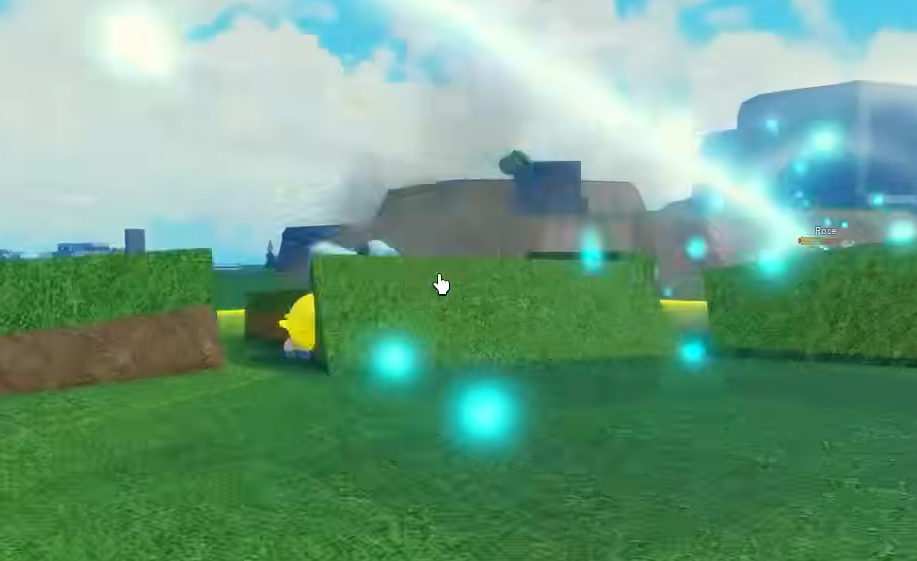
The theft mechanic lets you plug into a rival base and drain its power for yourself, but it only works under one condition. The target player must not be actively in their base. If they are standing there, the attempt fails and you get caught and knocked back with nothing to show for it.
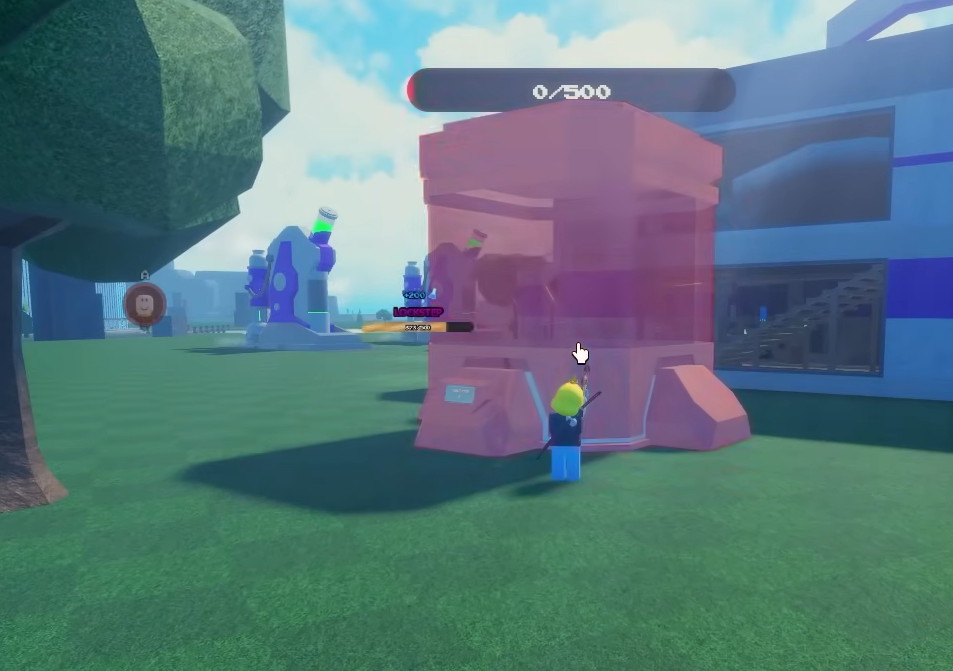
Note: theft is mostly an early-game tool. Once your own generators are producing at scale, the amount you can siphon is small compared to what your grid makes on its own, so most players drop the tactic in the mid- to late-game and focus on building. Defending your base is optional for the same reason, since production quickly outpaces anything a thief can carry off.