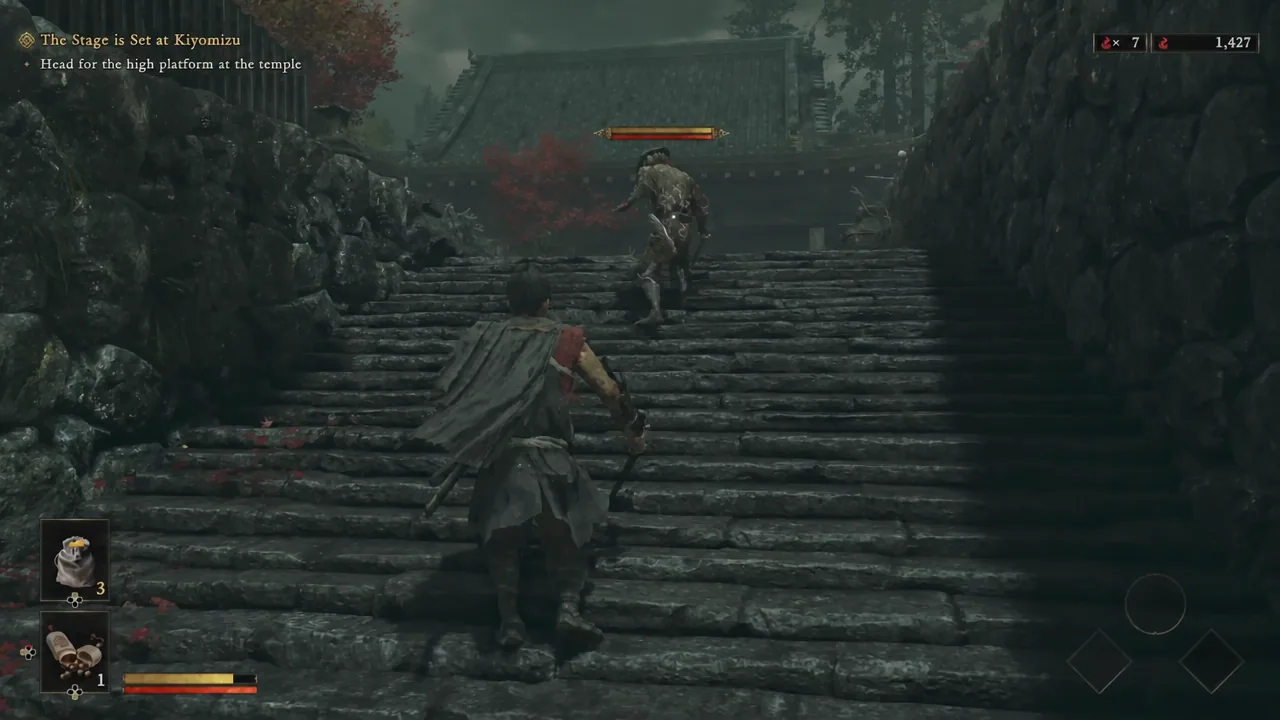
Dodging in Onimusha: Way of the Sword is one button, but the timing behind it decides whether Musashi simply rolls out of danger or punishes the enemy who swung at him. Capcom built the game around reactive play, and the dodge sits alongside blocking, parrying, and deflecting as one of the four ways to answer an incoming attack.
Quick answer: Press Circle on PlayStation 5, B on Xbox Series X|S, A on Switch 2, or the Spacebar on a PC keyboard. Hold a movement direction at the same time to roll that way, or press dodge with no direction to evade on the spot.
Dodge button on PS5, Xbox, Switch 2, and PC
The input sits on the same face button across every controller, so muscle memory carries over if you swap platforms mid-playthrough.
| Platform | Dodge input |
|---|---|
| PlayStation 5 | Circle |
| Xbox Series X|S | B |
| Nintendo Switch 2 | A |
| PC (keyboard) | Spacebar |
Directional dodge vs. stationary dodge
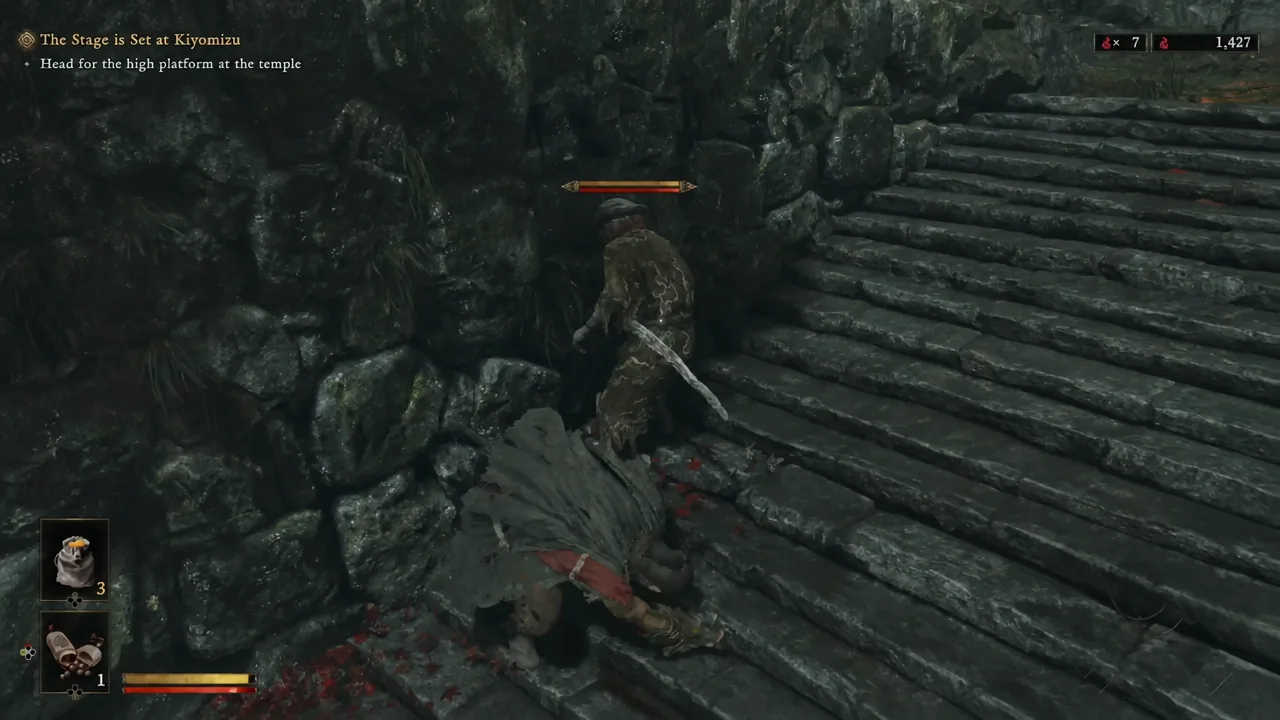
There are two basic evasions, and they use the same button.
- Direction + dodge: Musashi moves in the direction you are holding. Use this to break away from a group, get around a wide swing, or close ground on a flank.
- Dodge with no direction: a stationary evade that keeps Musashi in place. It is the better option when you do not want to give up your position or your spacing on a boss.
Neither version costs you anything on a miss beyond the recovery frames, so the stationary dodge is worth defaulting to when you are already standing where you want to be.
Reflex Dodge timing: how late to press the button
A Reflex Dodge, also called a Perfect Dodge, is the version that matters. It is the same button pressed at the last possible moment before the attack connects, and the window is close to parry timing. If you are dodging early and getting clipped anyway, you are almost certainly pressing too soon rather than too late.
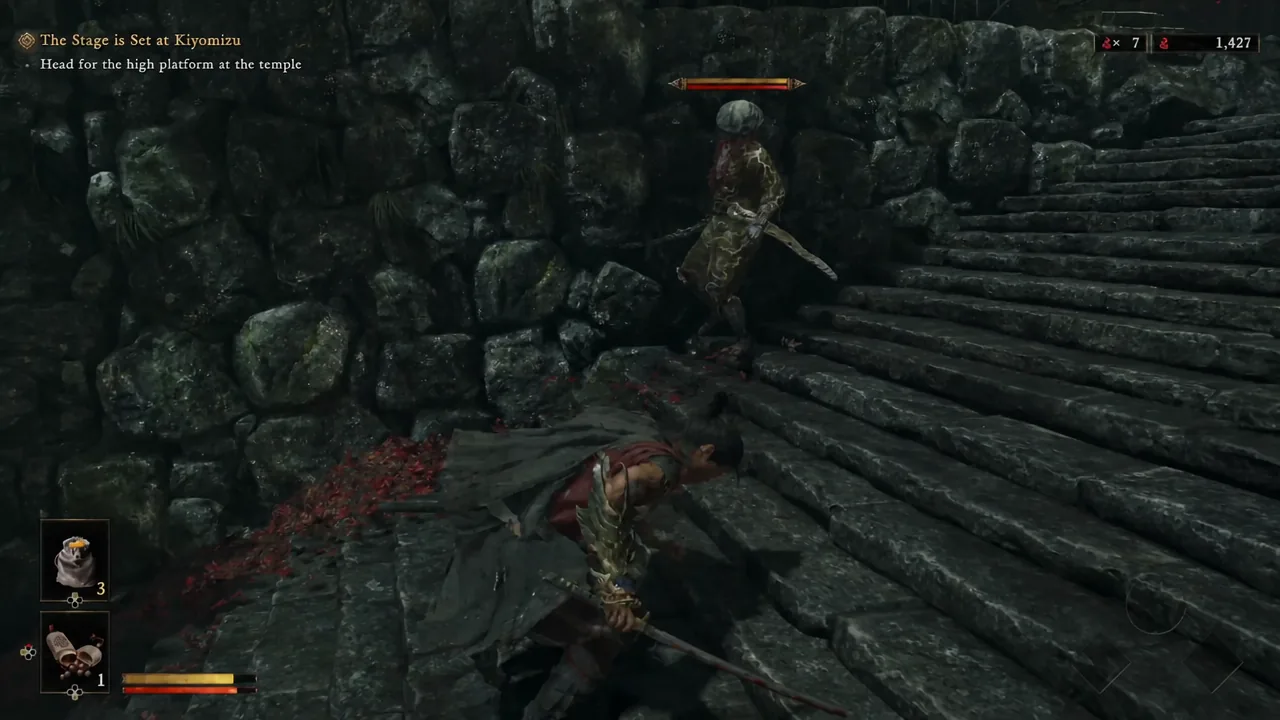
Note: a Reflex Dodge sometimes staggers the enemy outright, which extends the opening well past the slow-motion window.
What the Reflex Gauge does when it fills
Every successful Reflex Dodge charges the Reflex Gauge. Ordinary dodges do not. Once the gauge is full, your next Reflex Dodge puts a reaction prompt on the enemy, and pressing it triggers a Reflex Combo.
| Target | Result of a full-gauge Reflex Combo |
|---|---|
| Standard enemies | Usually killed on the spot |
| Bosses | Heavy stamina damage plus some health damage |
That makes the dodge an offensive tool rather than a panic button. Treat filling the gauge as a goal in longer fights, especially against enemies whose stamina you are trying to break before a finisher.
Attacks you cannot dodge
Most melee attacks can be dodged, but glowing pink attacks cannot. Those are marked as unavoidable, and trying to evade them is the most common reason a Reflex Dodge appears to fail. Move out of their range or answer them with the defensive option the fight expects instead.
The dodge is also not the best answer to everything else. Weapon strikes are generally better served by a parry, an Issen counter, or a deflect, and incoming arrows and other projectiles are better parried or deflected so you can send them back. Reflex Dodges shine against unarmed attacks, which is where the Reflex Gauge fills fastest.
Tip: if you are struggling to tell which response a specific attack wants, turn on the game’s optional defensive prompts. They flag whether an attack should be dodged, parried, or deflected, and you can switch them off again once you have learned the animations.
A dodge trick for explosive enemies
Enemies that detonate themselves have their own dodge interaction. Time the evade correctly as one lunges at you and Musashi can grab it and hurl it elsewhere, turning the bomb into a thrown weapon against the rest of the group.
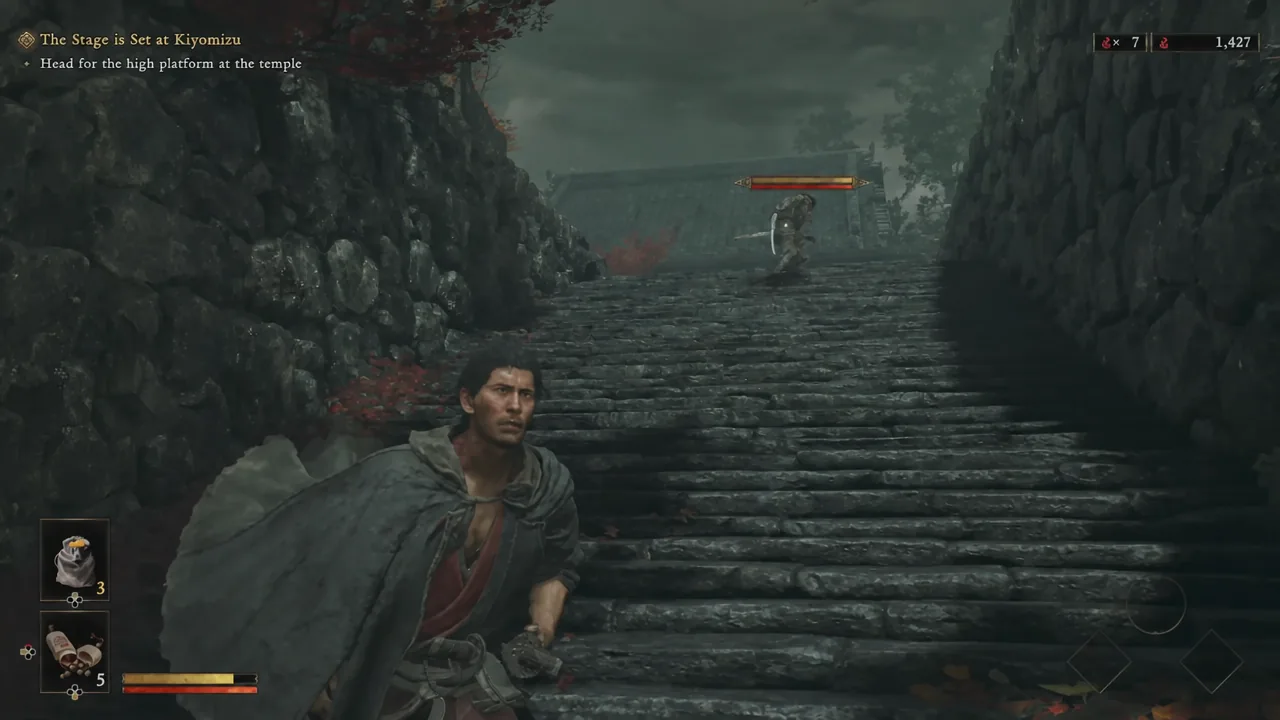
The easiest place to build the habit is on ordinary Genma rather than a boss. Pick a fight against a single unarmed enemy, ignore blocking entirely, and press dodge as late as you dare until the shadow-trail animation becomes reliable. Once you can produce that shadow on demand, the Reflex Gauge starts filling on its own, and the dodge stops being a way to survive an attack and becomes the way you open one up.