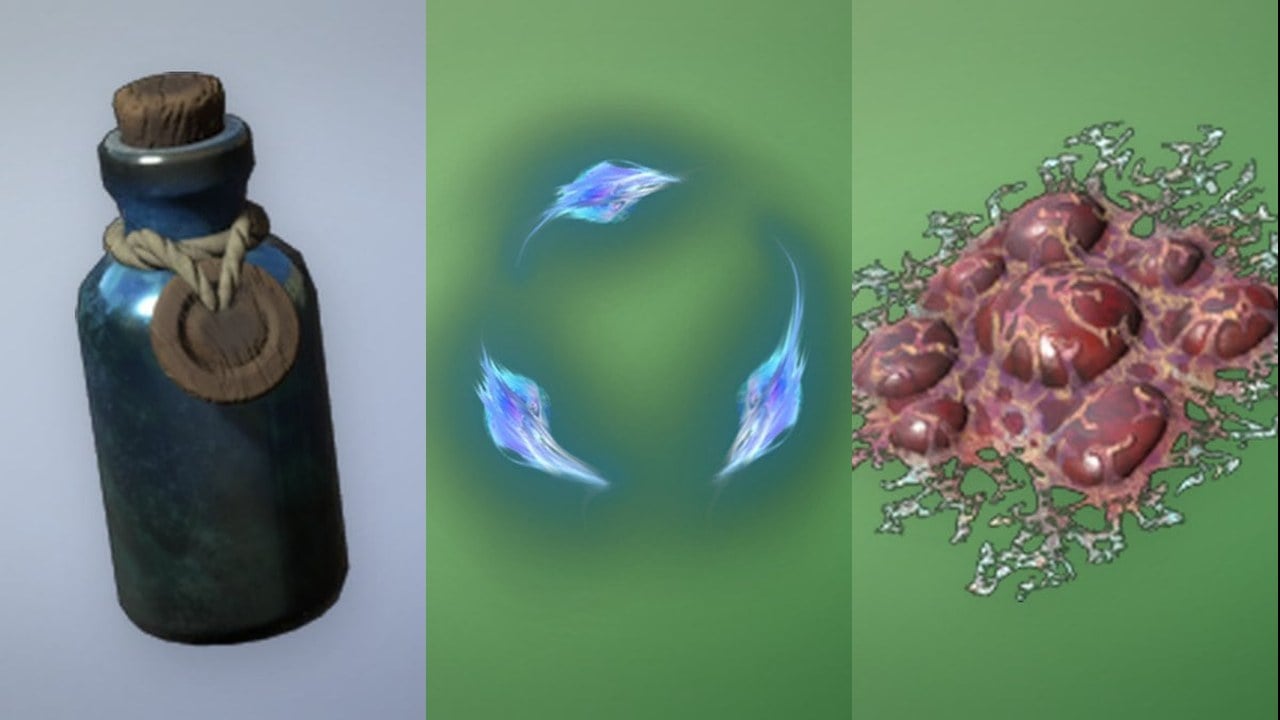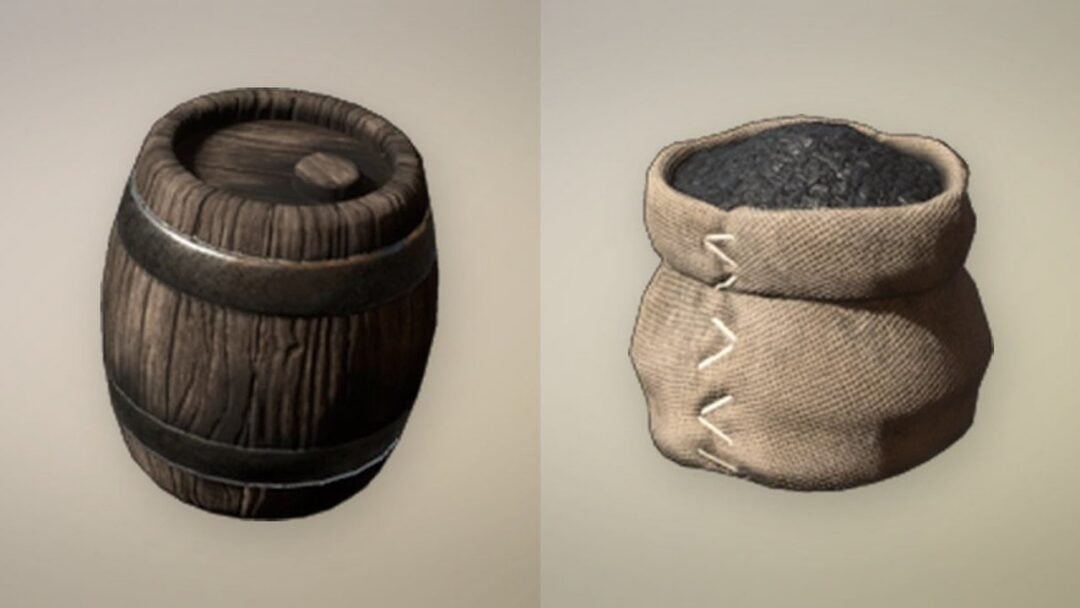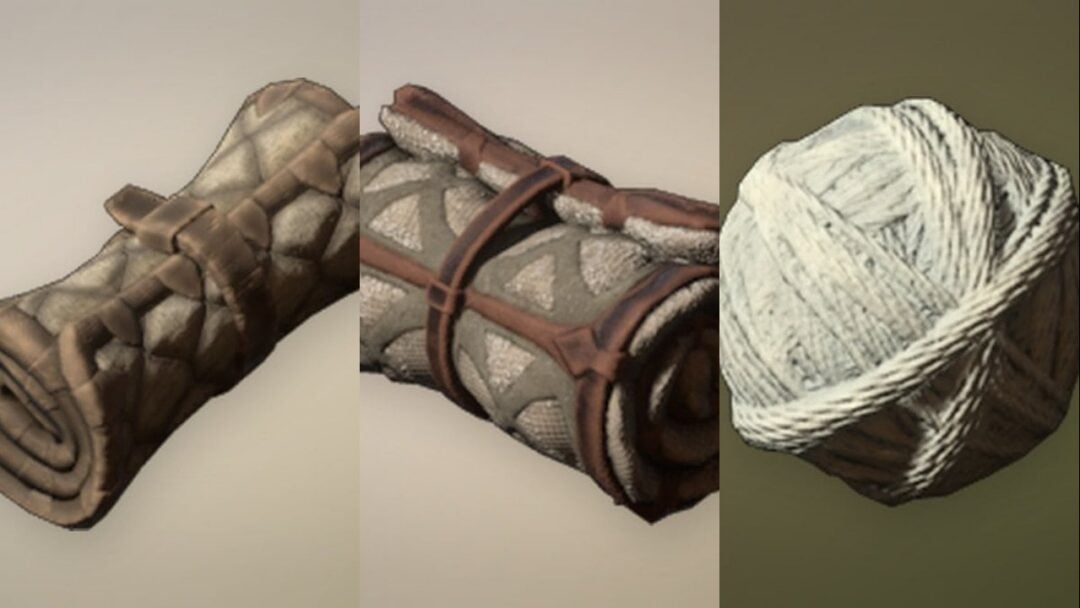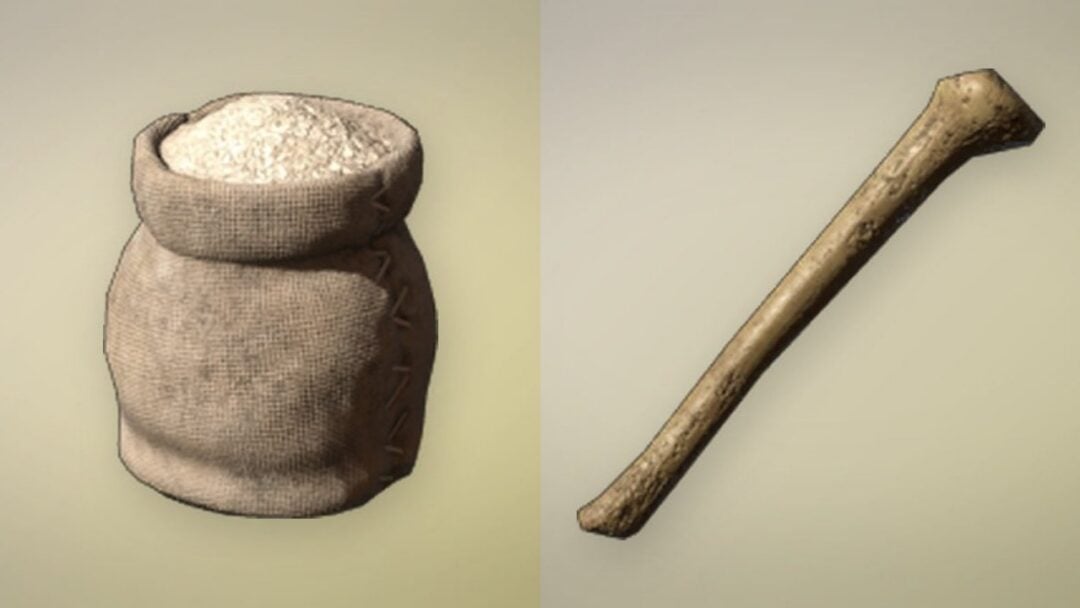
The first two biomes in Valheim hand you almost everything you need to reach the Bronze Age. The Meadows covers food, flint, leather, and feathers. The Black Forest covers ore, core wood, troll hide, and the Surtling Cores that make smelting and portals possible. Knowing exactly which node, animal, or plant drops what saves you hours of aimless wandering.
Quick answer: Clear the Meadows for deer hide, leather scraps, flint, feathers, and berries, then kill Eikthyr for the antler pickaxe. In the Black Forest, mine copper mounds and shoreline tin, kill a troll for hide, and loot a Burial Chamber for Surtling Cores before you build a smelter or portal.
Meadows resources and what they unlock
| Resource | Where it comes from | Used for |
|---|---|---|
| Deer Meat, Deer Hide, Deer Trophy | Deer, hunted or ambushed | Food, armor crafting, summoning Eikthyr |
| Boar Meat, Leather Scraps | Boars | Food, your first bow, Tanning Rack |
| Raspberries, mushrooms | Bushes and forest floor | Filling your second and third food slots |
| Flint | Shorelines and ocean edges | Flint Spear, Chopping Block, flinthead arrows |
| Feathers | Birds shot with a bow, felled trees | Arrows |
| Resin | Greylings, felled trees | Torches, workbench upgrades |
| Dandelion | Yellow flowers in open grass | Health mead later on |
| Neck Tail | Necks near water | Food, poison resistance mead |
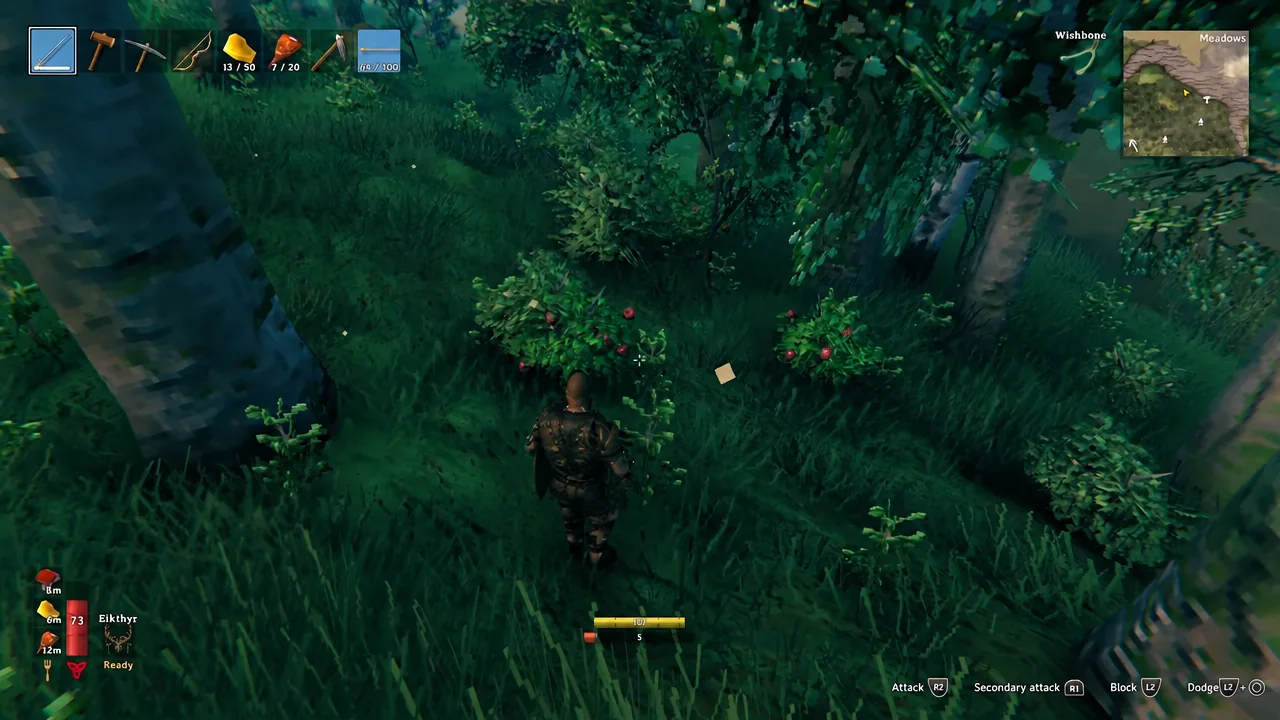
Berry bushes and mushroom patches regrow, so treat them as permanent supply points rather than one-time pickups. Drop a map pin the first time you find a good raspberry cluster and you can run a loop past it whenever your food slots run low.
Dandelions are easy to walk past because they have no immediate use. Pick them anyway. They become an ingredient for healing mead once you have a Fermenter, and stockpiling them early means you are not scouring the grass later while low on health.
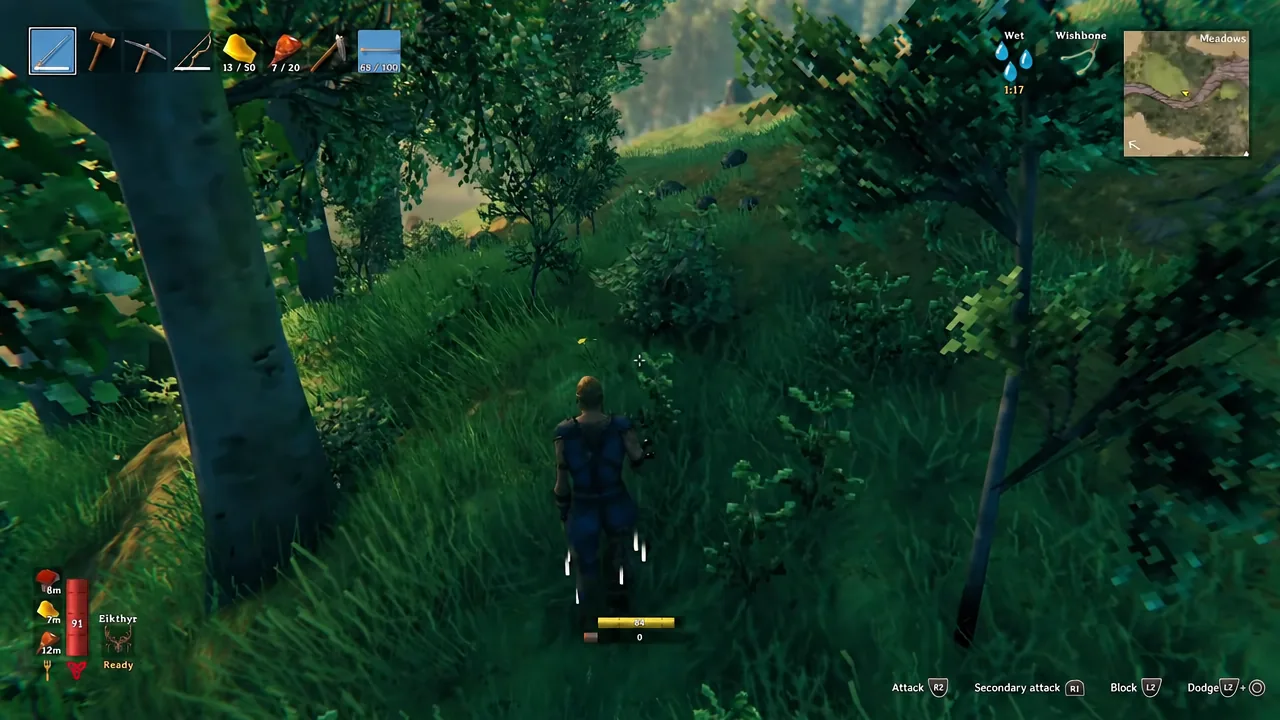
Hunting deer, boar, and birds for hide, leather, and feathers
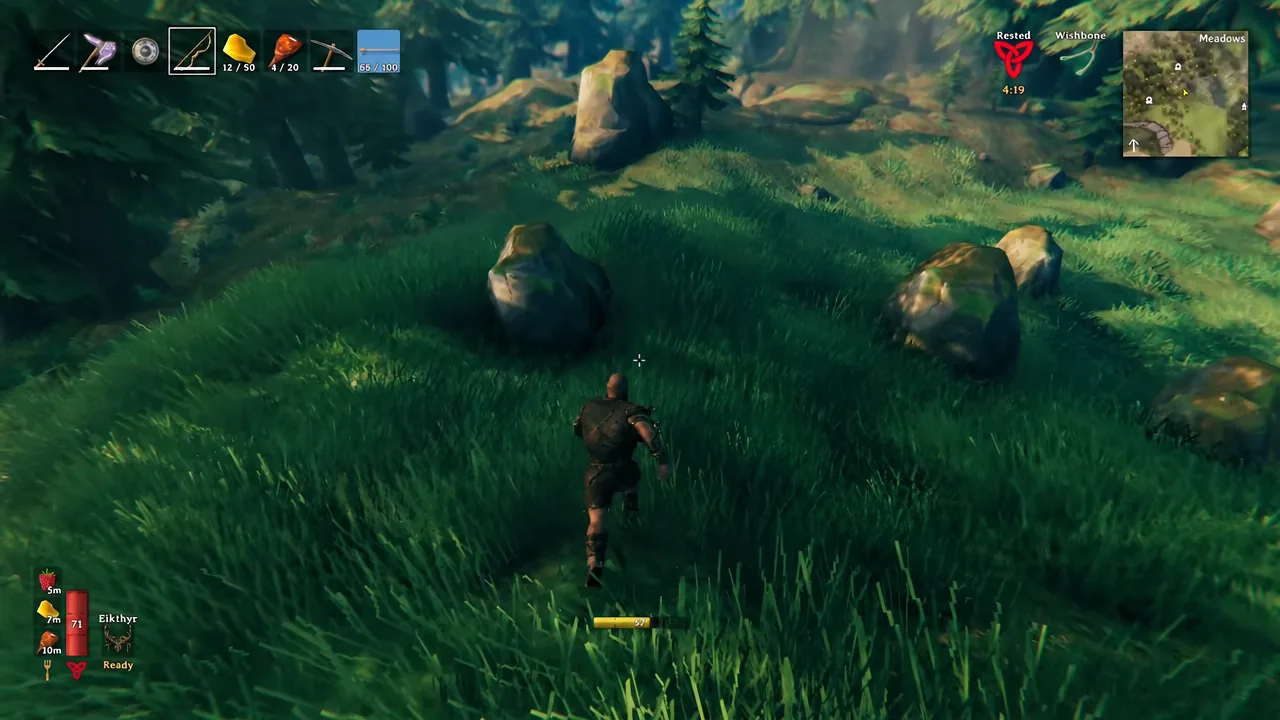
Deer bolt the moment they notice you and they make an audible warning noise when you get close, which is your cue to stop moving. Crouch and approach from behind for a clean opening hit. Each kill gives deer meat and deer hide, and trophies drop often enough that two for the Eikthyr altar are rarely a problem.
Boars are the opposite problem. They charge when startled, so fight them with a shield up or from range. Their leather scraps are the gate on your first bow and on the Tanning Rack, so keep hunting them even after your food chests are full.
Feathers come from shooting birds out of the air, which is fiddly until you learn the trick: during storms, birds stay grounded much longer, giving you an easy standing shot. Felling trees also shakes loose the occasional feather along with seeds and resin.
Starred creatures have more health and hit harder, but they drop far more materials per kill. If you can handle one safely, a one-star boar or deer is worth the extra fight.
Copper and tin deposits in the Black Forest
Neither ore is minable until you have the antler pickaxe from Eikthyr. Once you do, the two deposits look completely different and are found in different places, which makes them easy to identify at a distance.
| Deposit | Appearance and location |
|---|---|
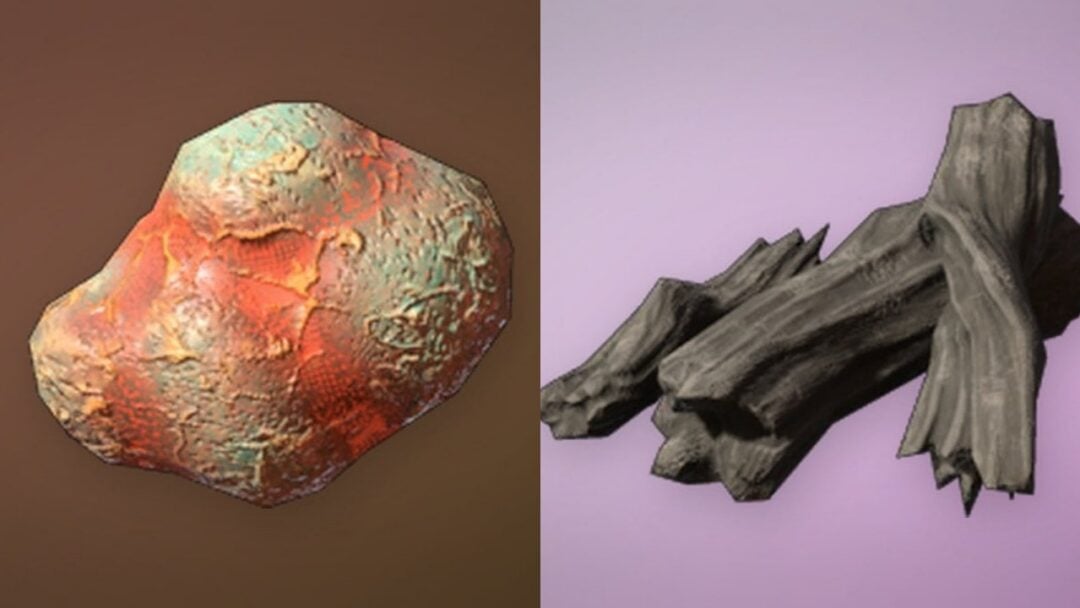
| Copper | Large rock mounds sitting in open Black Forest ground; a single node yields a lot of ore, so plan to smelt on site or boat it home |
| Tin | Small shiny rocks along the water’s edge at the Black Forest shoreline; quick to mine and often clustered |
Ore and bars cannot go through portals, so build your smelter near the mine or carry the metal back by boat. Tin is the ingredient that leads toward a Cauldron, which is the real jump in food quality after roasted meat.
Troll hide, bone fragments, and Greydwarf drops
Trolls are the single most valuable kill in the Black Forest. Four troll hides make a full armor set that gives solid protection with a sneak bonus and, critically, does not slow you down the way metal armor does. Many players wear it well past the point they could switch.
Skeletons drop bone fragments and resist pierce damage, so leave the spear and bow alone and swing a Club at them. Blunt damage is what actually breaks them down. Damage number colors confirm this in the moment, with yellow meaning the enemy is weak to what you are using and gray meaning it resists.
Greydwarfs are the workhorse enemy of the biome. They drop stone, wood, resin, and Greydwarf eyes, all of which feed into building and upgrades. Their nests and the larger Greydwarf Brutes are also the only source of ancient seeds.
Surtling Cores from Burial Chambers
Burial Chambers are the stone entrances dotted around the Black Forest, marked with a torch-lit doorway. Inside you get yellow mushrooms that regenerate over time, packs of skeletons, and the resource that actually matters: Surtling Cores.
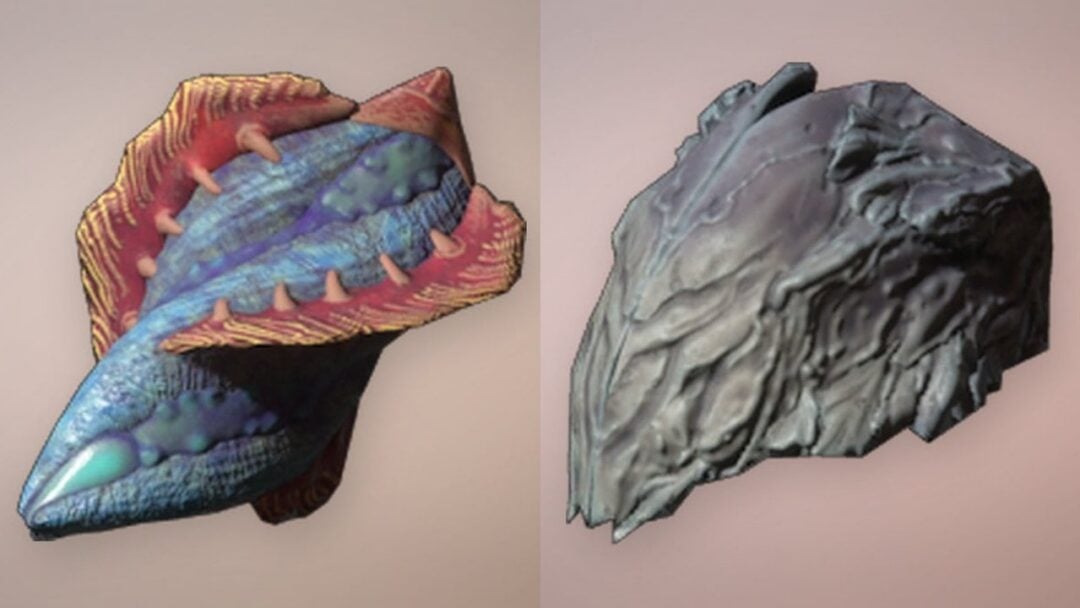
Cores are required for the charcoal kiln, the smelter, and portals. That means one thoroughly looted chamber unlocks your entire metal processing chain plus fast travel. Bring a Club, a torch, and enough inventory space, because “No room in inventory” in a chamber full of cores is a wasted trip.
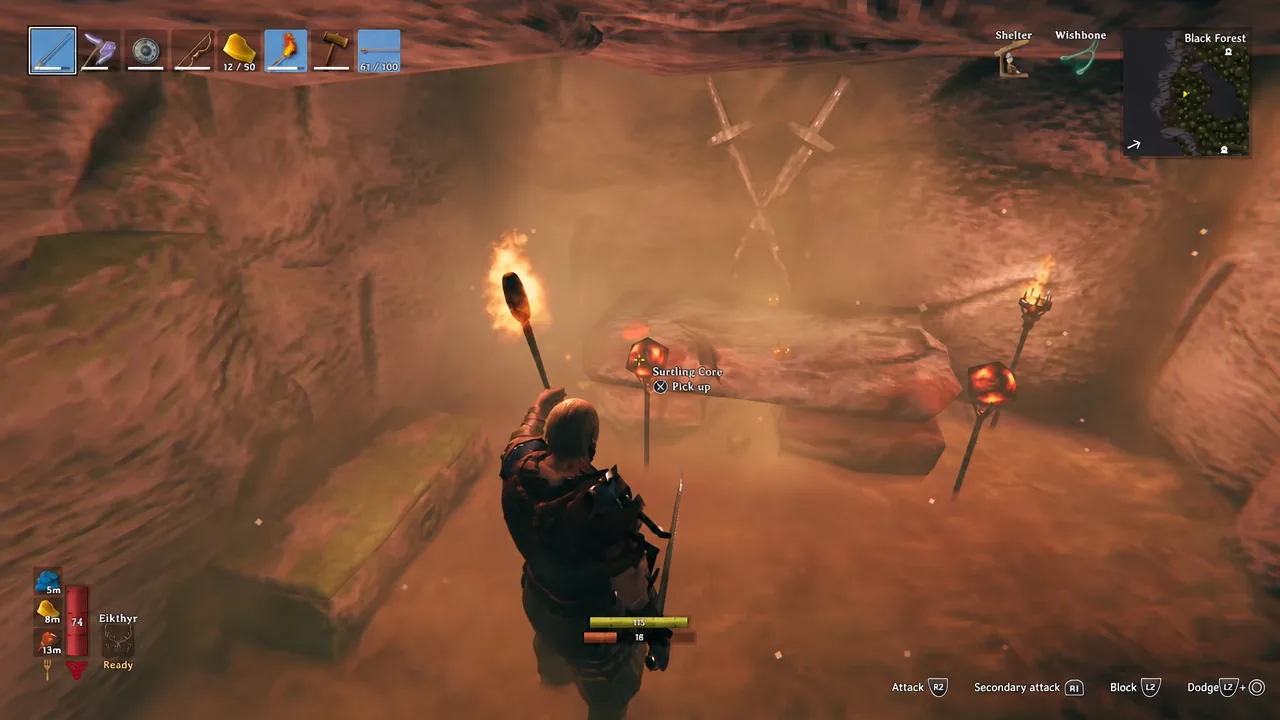
You know the chamber was worth it when your build menu stops greying out the smelter and kiln. If those recipes are still locked, you either need more cores or you have not picked up the other ingredient for that recipe yet.
Core wood and early fine wood without better tools
Core wood comes from pine trees in the Black Forest, which your Stone Axe can handle. It is used for building, the Cultivator, and a long list of crafting recipes, so a dedicated pine-chopping trip early pays off.
Fine wood normally requires a better axe, but there is a way around that. Place a workbench next to an abandoned structure or ruined tower and you can break down the furniture inside it for fine wood without ever upgrading your axe. The same trick works on the small lean-tos scattered around the Meadows, which break down into core wood.
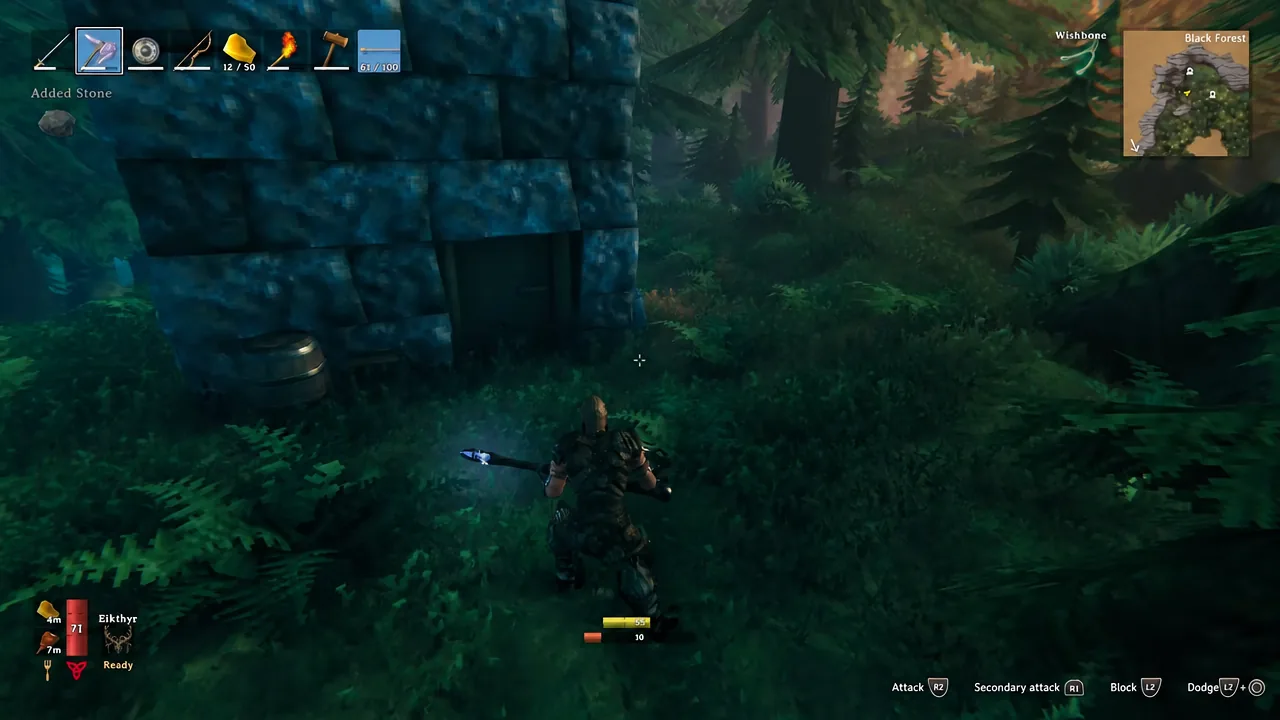
If nothing highlights when you aim at a piece of furniture, your workbench is out of range. Move it closer until the structure shows a destruction prompt.
Seeds, thistle, and Queen Bees for a working base
Carrot seeds grow on small flowering plants scattered through the Black Forest and are the start of every farm in Valheim. You cannot plant them until you craft a Cultivator, which needs bronze and core wood, so gather them now and bank them until then.
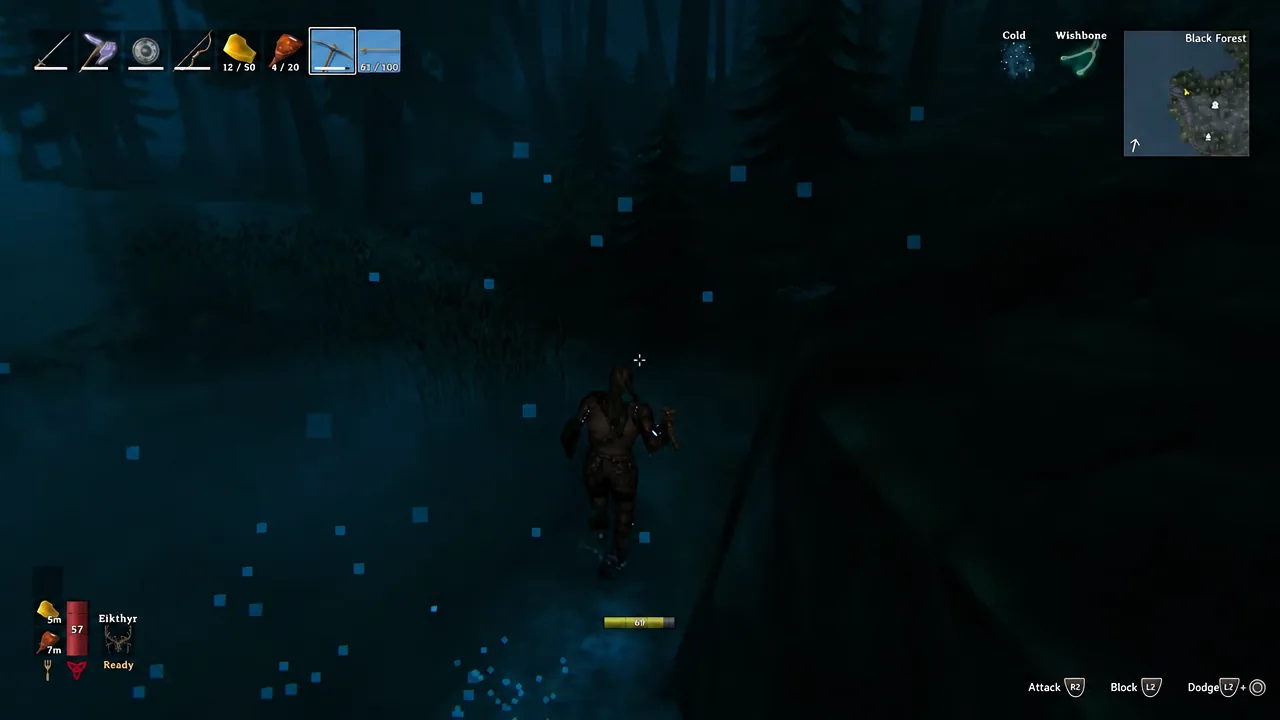
Thistle glows faintly in dark corners of the Black Forest, usually near roots and rocks. It feeds resistance meads and several cooking recipes, and poison resistance mead specifically is what makes the Swamp survivable later.
Wild beehives hang inside abandoned buildings. Break one and it drops a Queen Bee, which combines with 10 wood to build your own beehive at base. Place hives outdoors with a couple of meters between them and they produce honey passively from then on.
Blueberries fill the same role in the Black Forest that raspberries do in the Meadows, leaning toward stamina. Pin the bushes so you can top up on the way to and from the mines.
How to get coal early
There are two reliable ways to produce coal before you have any advanced infrastructure. The crude method is to leave meat on a cooking station past the point it is done, burning it into coal. The deliberate method is a charcoal kiln, which converts wood into coal in bulk and only requires Surtling Cores to build.
Coal fuels your smelter, so getting a kiln running shortly after your first Burial Chamber run keeps copper and tin moving through the smelter without interruption.
Ancient seeds and the Elder
Ancient seeds are the last early-game resource you need, and they come from only two places: Greydwarf spawners, which are the writhing nests you destroy in the Black Forest, and Greydwarf Brutes. Three seeds placed at the Elder’s altar summon the second boss.
If a nest dies without dropping one, that is normal. Keep clearing spawners as you find them and the seeds accumulate alongside the stone, wood, and eyes the Greydwarfs leave behind.
By the time you have troll hide armor, a stocked kiln, a bronze workflow, and a portal network anchored on Surtling Cores, the Meadows and Black Forest have given up everything they have. The rest is a matter of how much of it you bothered to pin on your map.