Augment blueprints in ARC Raiders are supposed to be the most location-locked drops in the game. Tactical Mk. 3 and Combat Mk. 3 recipes live in security containers, with a smaller chance in medical containers, and everything else in the loot table sorts itself into neat buckets by container type. Yet players keep pulling Survivor, Revival and Aggressive blueprints out of electrical cabinets, office drawers and briefcases — containers that have no business holding them.
Quick answer: Container-type rules still hold. Any container can produce any blueprint through a rare universal roll, so a cabinet or suitcase augment is a genuine outcome, not a bug — but farming cabinets for augments is far slower than looting security and medical containers on Stella Montis or The Blue Gate.
How blueprint spawns are sorted by container type
Every blueprint category maps to a container family. Learning that mapping is the difference between farming with intent and opening every box on the map. The pairings below cover the bulk of the scavenging pool.
| Container family | What it rolls | Examples |
|---|---|---|
| Security containers | Augments, Complex Gun Parts | Tactical Mk. 3 (Revival), Looting Mk. 3 (Survivor) |
| Medical containers | Medical items, augments at a lower rate | Vita Shot, Defibrillator, Combat Mk. 3 (Aggressive) |
| Raider containers | Weapons and gun parts | Anvil, Bettina, Rascal, Light Gun Parts |
| Residential containers | Attachments and mods | Silencer II, Shotgun Choke III, Smoke Grenade |
| Industrial containers | Explosives | Explosive Mine, Showstopper, Blaze Grenade |
| Electrical containers | Utilities | Barricade Kit, Tagging Grenade, Remote Raider Flare |
A handful of blueprints ignore container type entirely and instead lock to a map or a map condition. Aphelion, Deadline, Trailblazer, Pulse Mine, Gas Mine and Seeker Grenade only appear on Stella Montis, but they can come from any container there. Bobcat is tied to the Locked Gate condition, Snap Hook to Electromagnetic Storm, and Tempest and Wolfpack to Night Raid. Riven Tides has the smallest native pool of all — Powered Descender, White Flag and Crash Mat.
Why augments show up in cabinets, drawers and suitcases
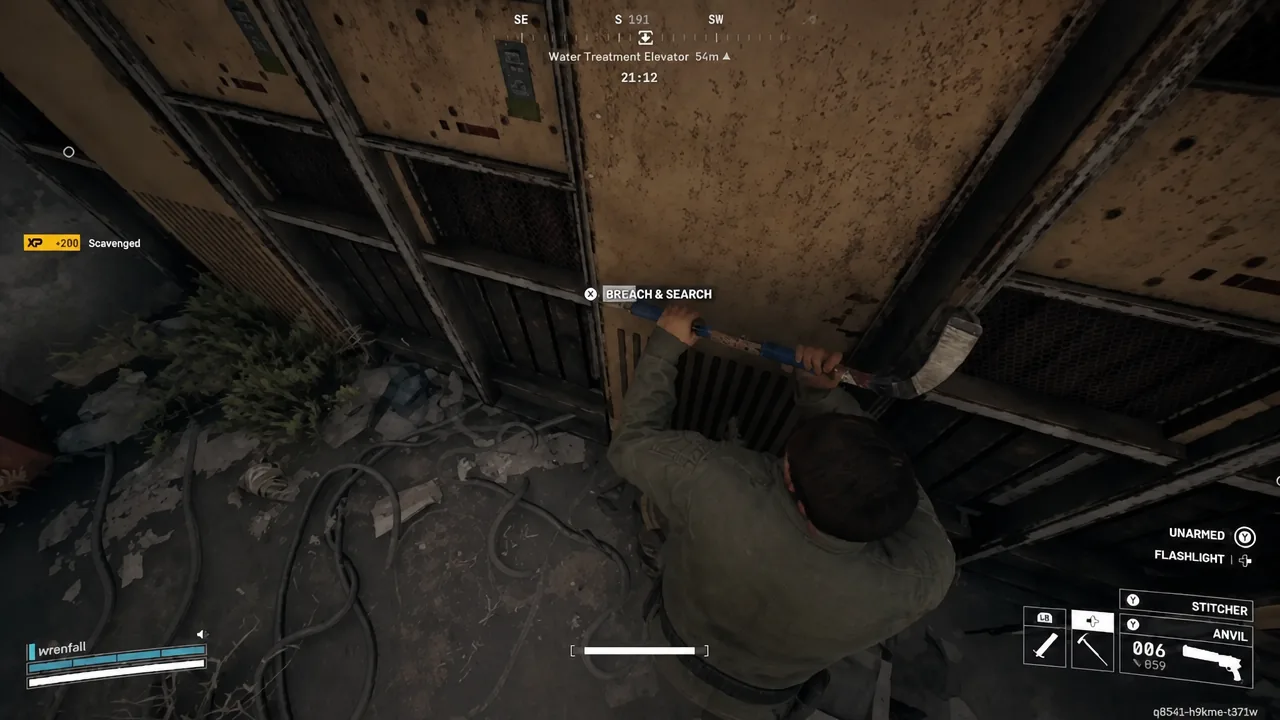
The clips causing confusion are real. Electrical cabinets in the Dam Battlegrounds server room have produced both Revival and Survivor augments. A standard office container gave up a Combat Mk. 3 (Aggressive). A briefcase on Dam Battlegrounds dropped a Survivor augment, and a suitcase in room 205 of the Riven Tides hotel did the same.
The behaviour is best explained as two separate rolls. First, a container checks whether it spawns a blueprint at all. If that check passes, it then picks from a loot table — its own native pool, plus a very rare universal slot that can serve up any blueprint in the game, augments included. Nothing about the standard rates has changed. The universal slot has presumably always been there; it just fires rarely enough that it looks like a new mechanic when three clips land in the same week.
What 150 electrical cabinets actually produced
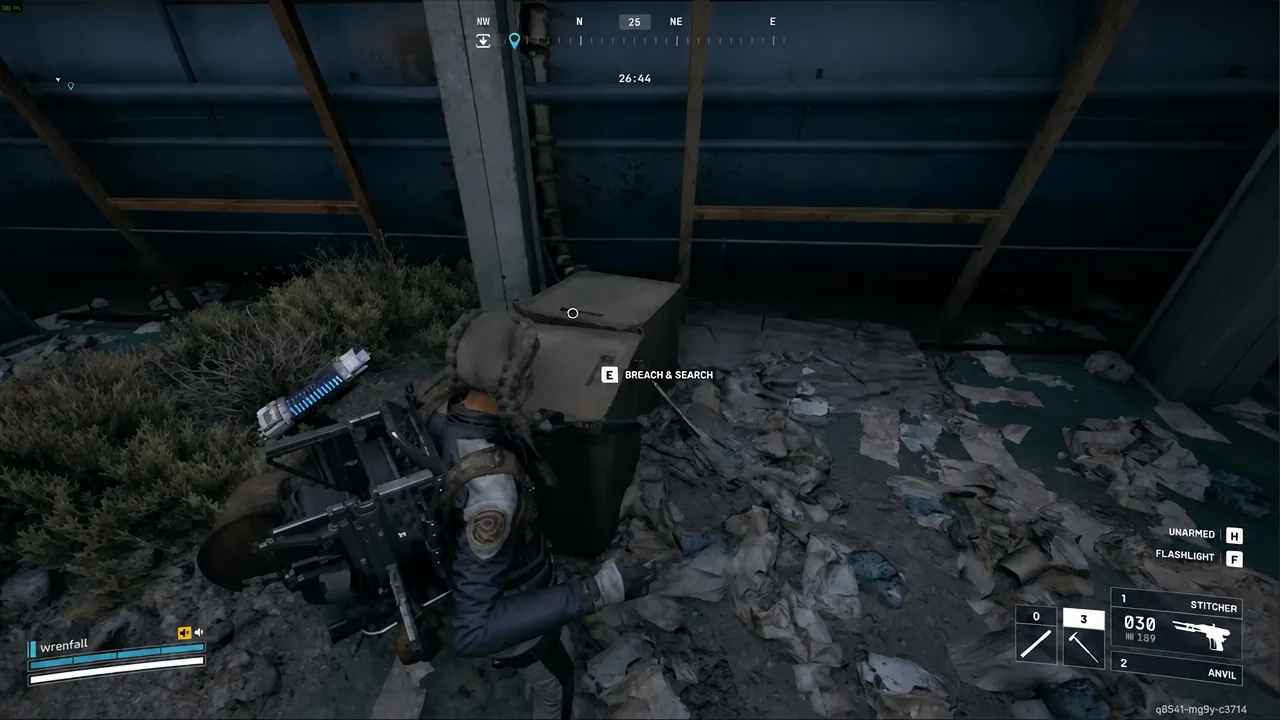
A controlled test settles the question of whether cabinets are worth farming for augments. Twenty-five runs through the Dam Battlegrounds server room, covering 150 cabinet searches, returned seven blueprints. All seven were standard electrical drops — Red Light Stick, Tagging Grenade and Remote Raider Flare. Not a single augment.
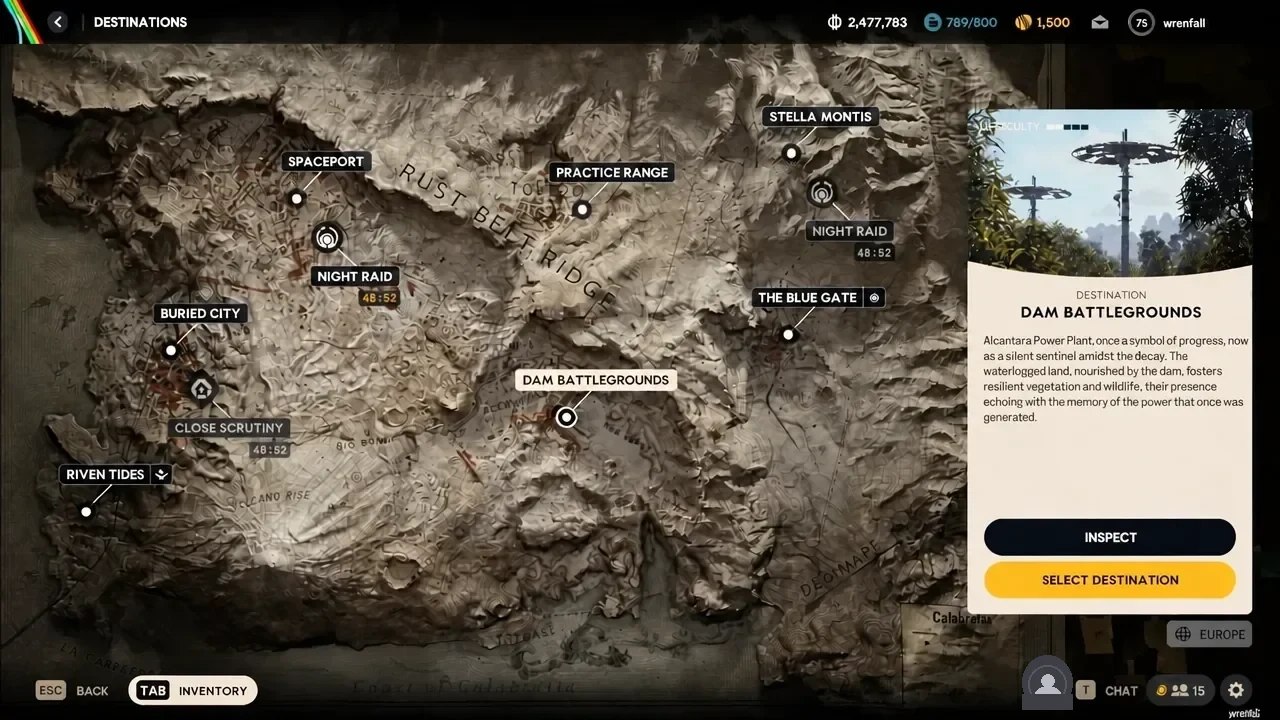
That works out to roughly one blueprint per 21 cabinets, and every one of them came from the native electrical pool. The takeaway is straightforward. Cabinets remain the correct place to hunt utility recipes, and a terrible place to hunt augments.
Why small-pool containers and maps produce stranger drops
Here is the counterintuitive part. Containers with a short native blueprint list are the ones most likely to hand you the universal augment. Electrical and mechanical cabinets only have a few recipes of their own, so when the universal slot sits alongside them in the table, it holds a bigger share of the total than it would inside a residential container competing with dozens of attachment blueprints.
The same maths applies at map scale, which is why Riven Tides keeps generating odd sightings. With only three blueprints in its standard pool, almost every successful roll there has to come from somewhere else — and the universal slot is that somewhere else. If you want to observe the mechanic rather than farm it, Riven Tides is the cleanest place to watch it happen.
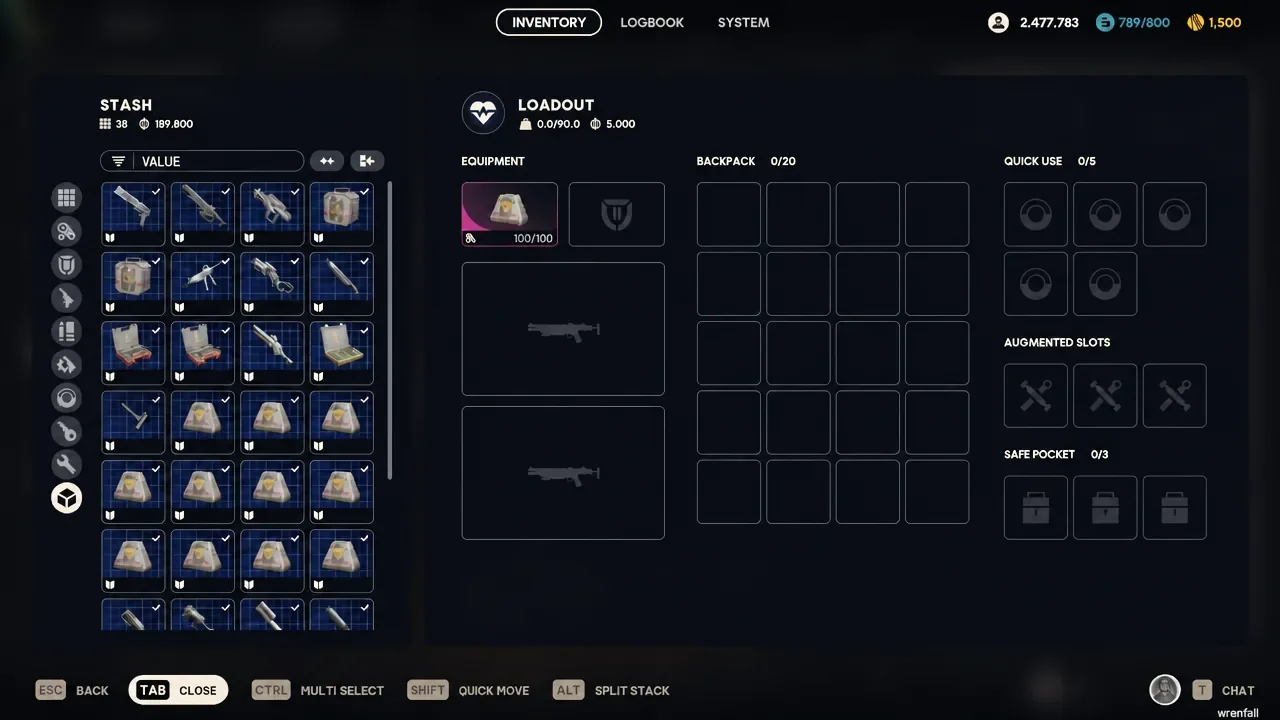
Where to farm augment blueprints instead
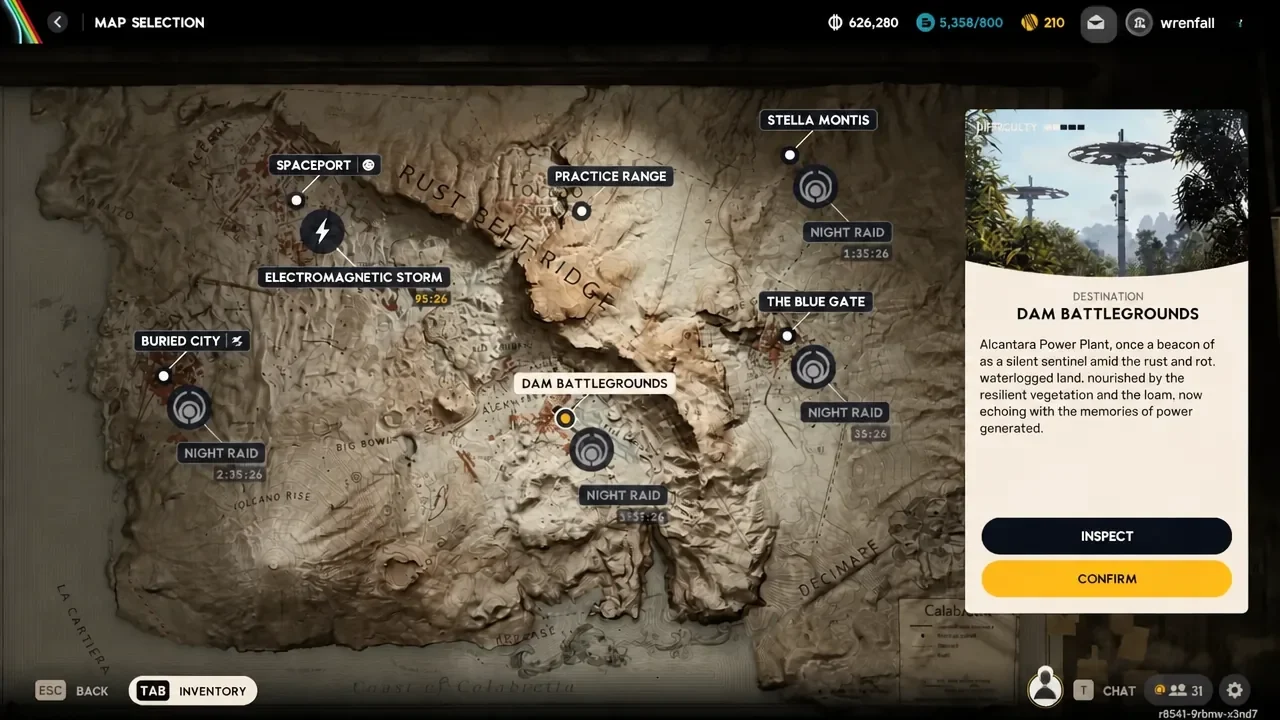
Note: ARC Surveyors can also drop blueprints, and Tactical Mk. 3 (Defensive) is among the recipes they have produced. Every blueprint in the scavenging pool is additionally available as a Trials reward, which is the only route that does not depend on container luck at all.
Confirming a blueprint is yours
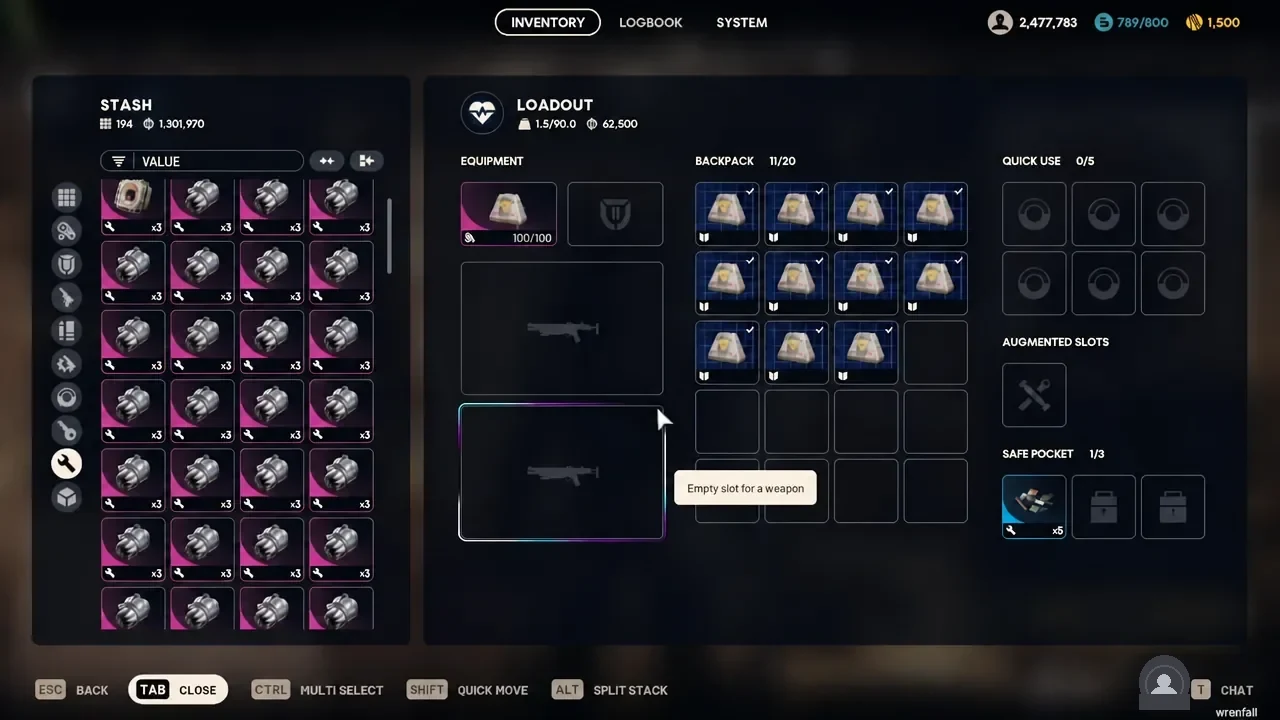
A blueprint is worthless until you extract with it. Back in Speranza, open your inventory and scroll to the bottom, where blueprints are grouped. Select the one you want and choose Learn and Consume. The blueprint disappears from your inventory and the recipe unlocks permanently at its matching station — Gunsmith, Medical Lab, Explosives Station, Gear Bench, Refiner or Utility Station.
Anything you already know is marked with a ✓ and cannot be consumed a second time. Duplicates sell for a flat 5,000 Coins each. If the craft button stays greyed out after learning a recipe, the station level is too low, not the blueprint. Carrying a blueprint in a Safe Pocket protects it if the run goes badly.
The short version: is that container type still tells you where to go, and the strange clips are the exception proving it. Treat a cabinet augment as a lucky roll rather than a route, keep your farming on security and medical containers where the odds are stacked in your favour, and the universal slot becomes a pleasant surprise instead of a wasted evening.