
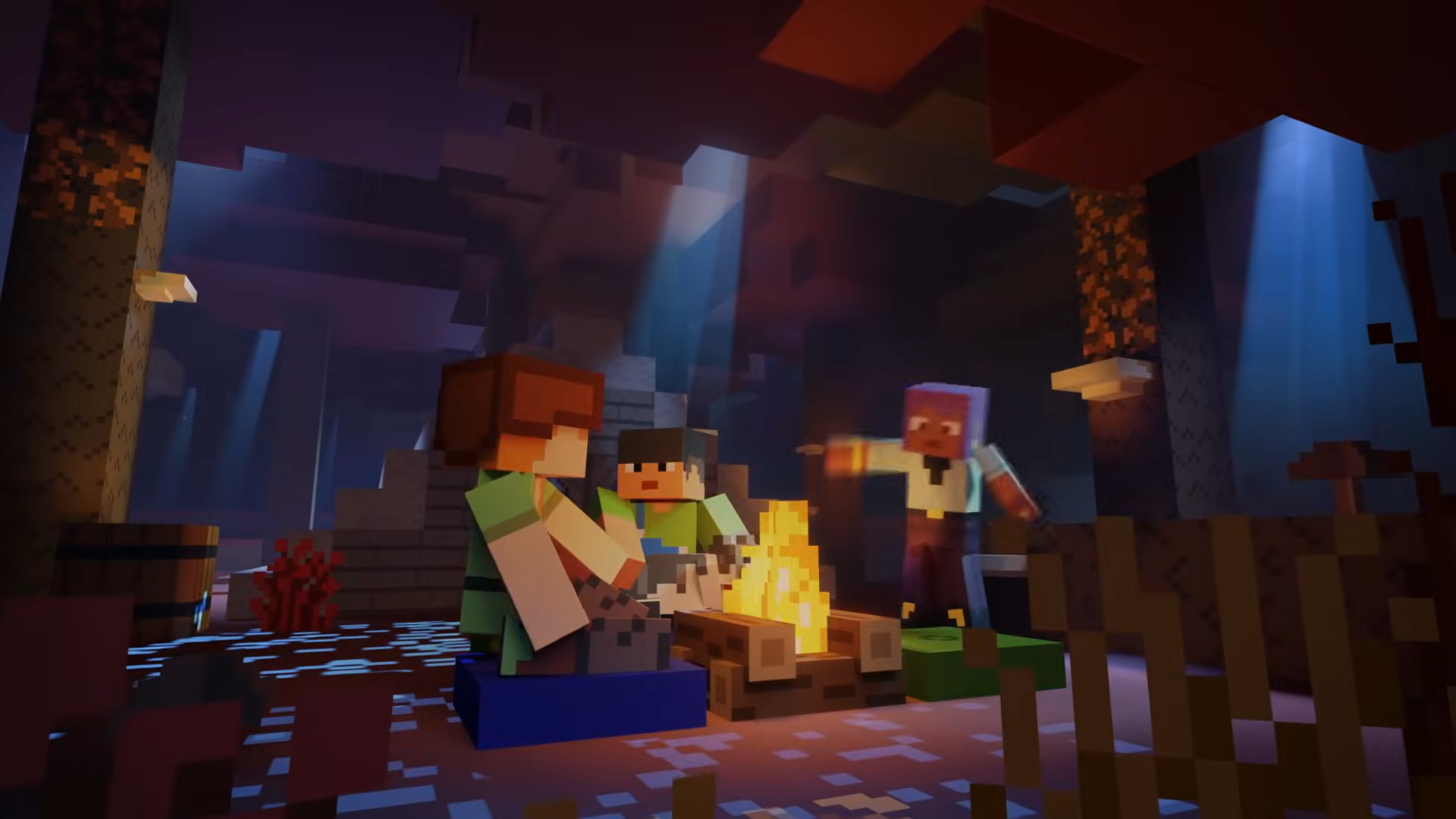
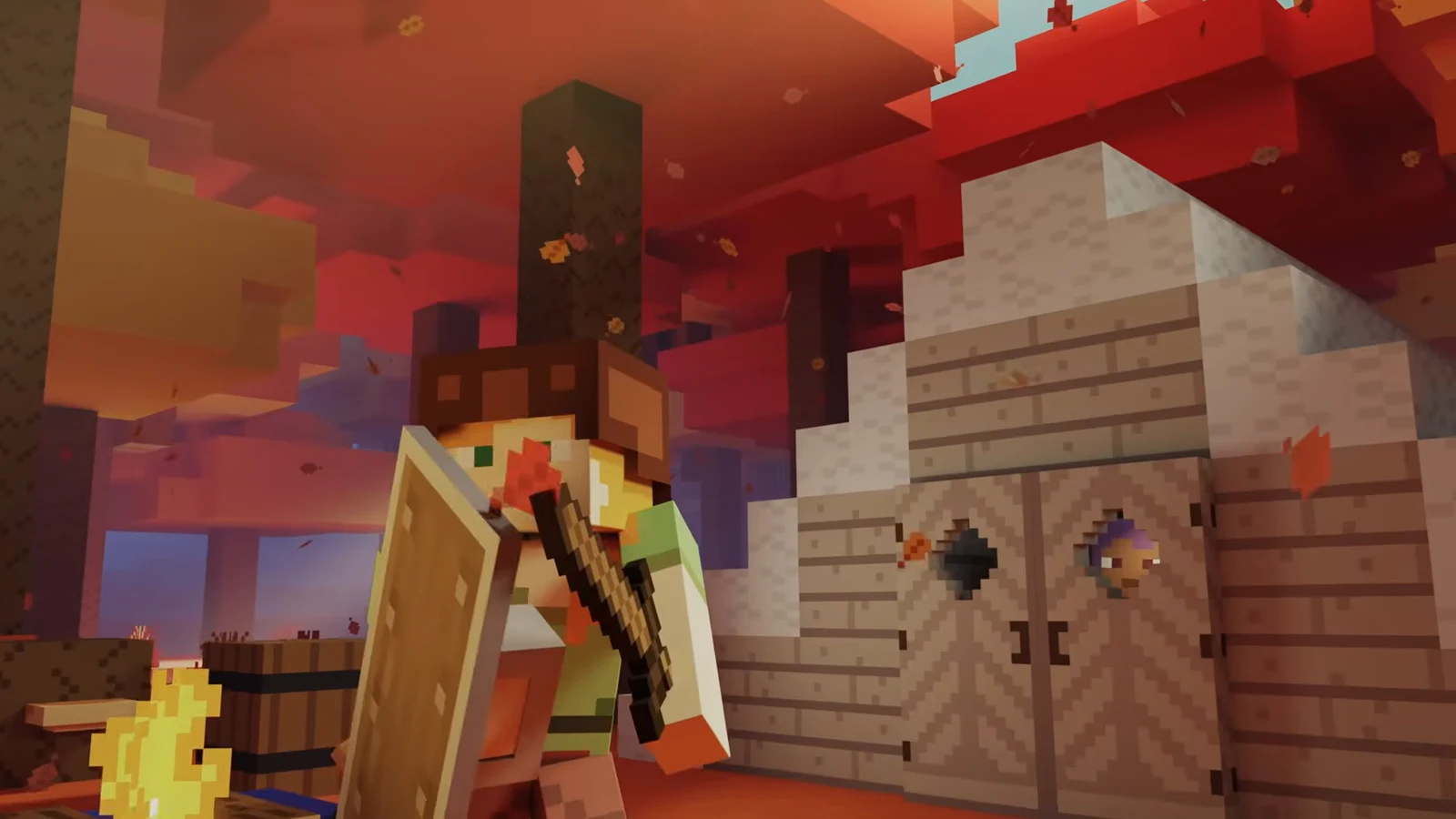
Wilderness Bound is the third Minecraft game drop of 2026, and it is built around one new biome and the stuff you find in it. Autumn-colored poplar forests, tents left behind by someone who did not come back, and a pile of new decorative blocks aimed squarely at people who like furnishing a base as much as surviving in one.
Quick answer: Wilderness Bound is live in Java Edition 26.3 and Bedrock Edition 26.50. Update the game, then travel until you hit a dappled forest to find poplar trees, shelf mushrooms, and abandoned camps.
Wilderness Bound release date and version numbers
The drop released on September 15, 2026 across both editions. It was announced at Minecraft Live in May 2026 under the working name Drop 3 of 2026, and the Wilderness Bound name was revealed during the MC Championship: Fall Stars event on September 5. Bedrock players who opted into Preview builds saw most of it early, since the experimental features shipped in Bedrock Edition 26.40.
| Edition | Version | Release date |
|---|---|---|
| Java Edition | 26.3 | September 15, 2026 |
| Bedrock Edition | 26.50 | September 15, 2026 |
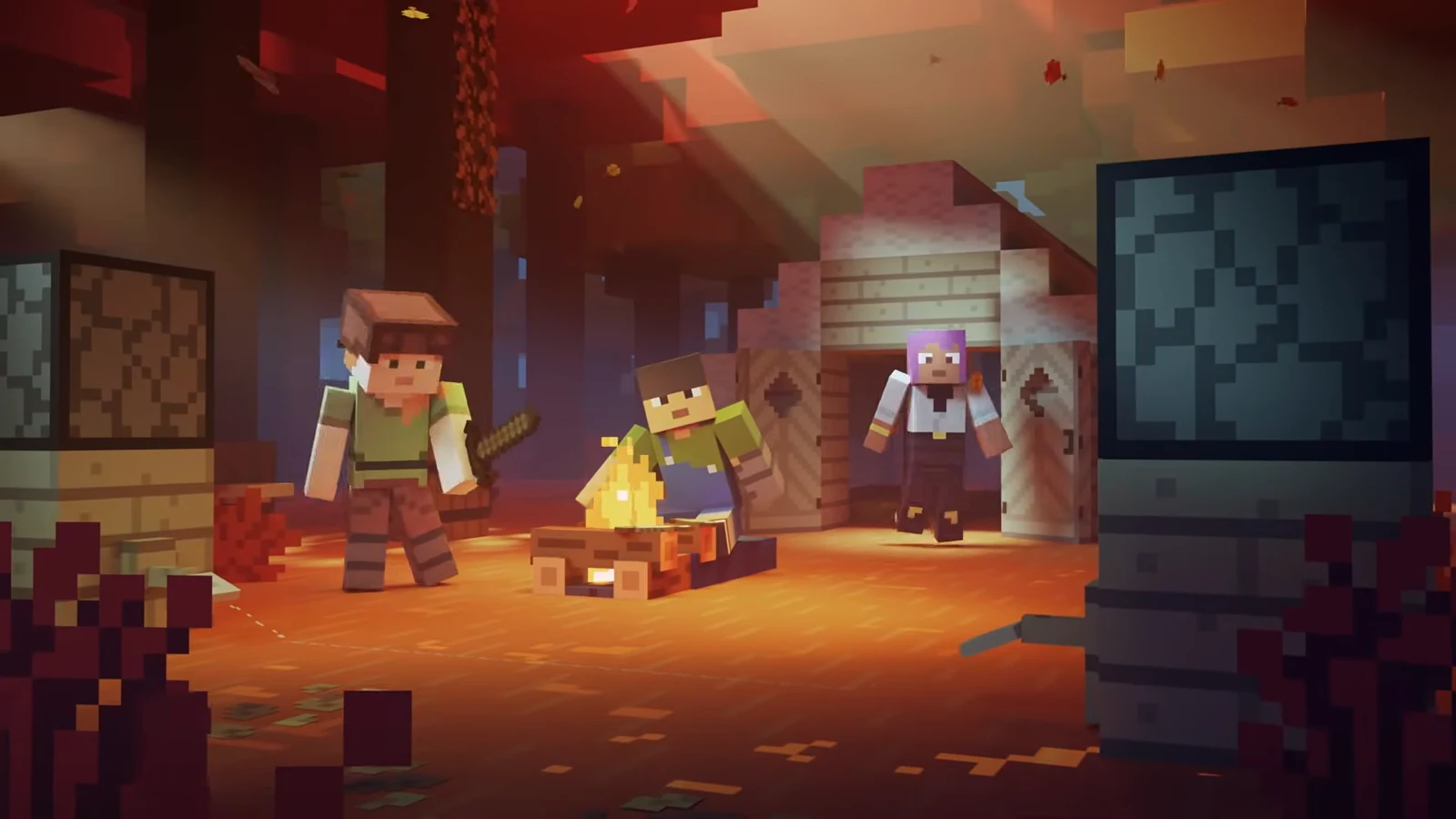
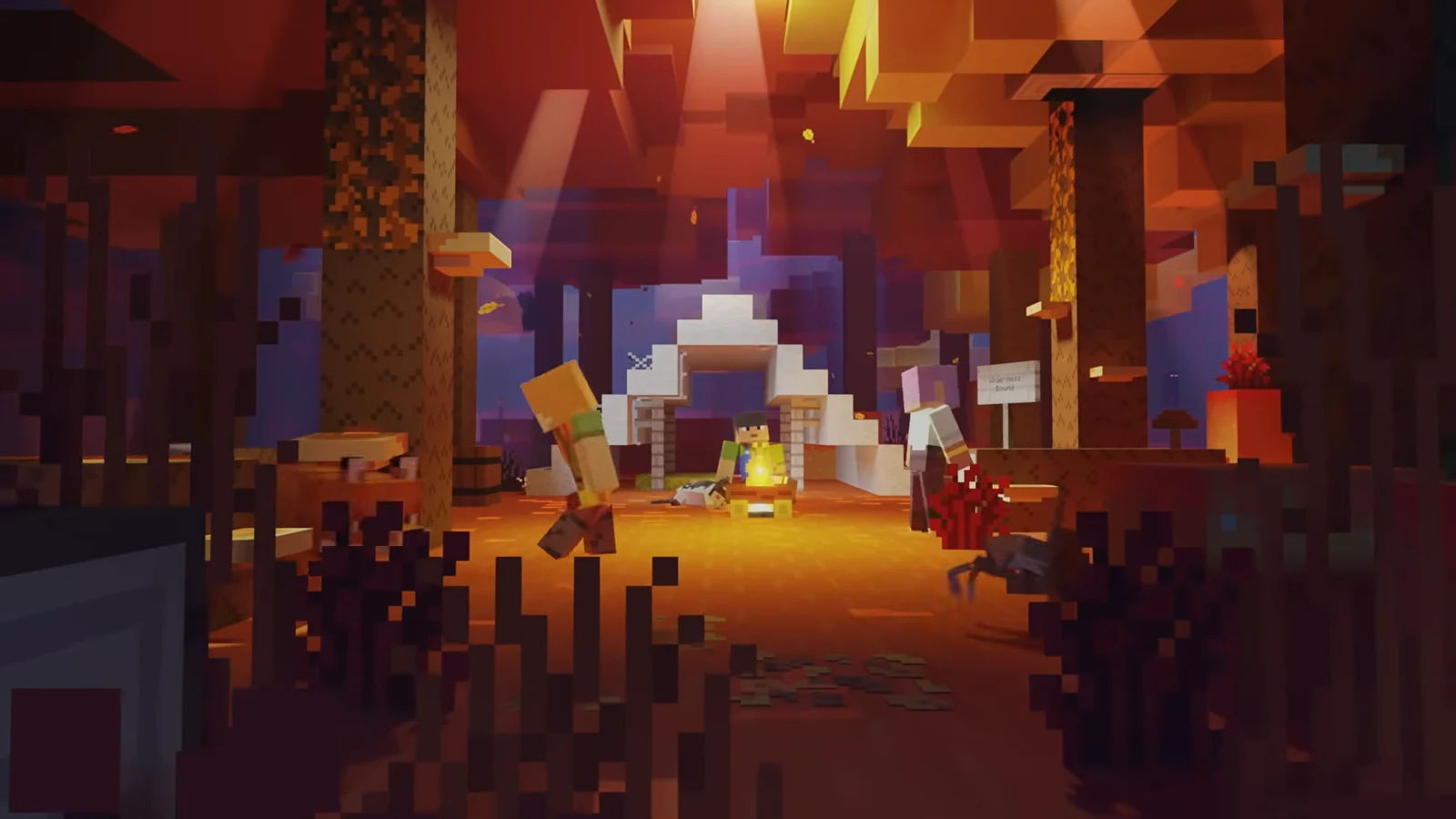
Bedrock coverage includes Xbox Series X and S, PC, Game Pass, Nintendo Switch, and PlayStation 5. The launch trailer leans on the new biome’s palette, following three players who build a cabin in an amber forest, get surrounded by creepers, and scare them off with a tuxedo cat.
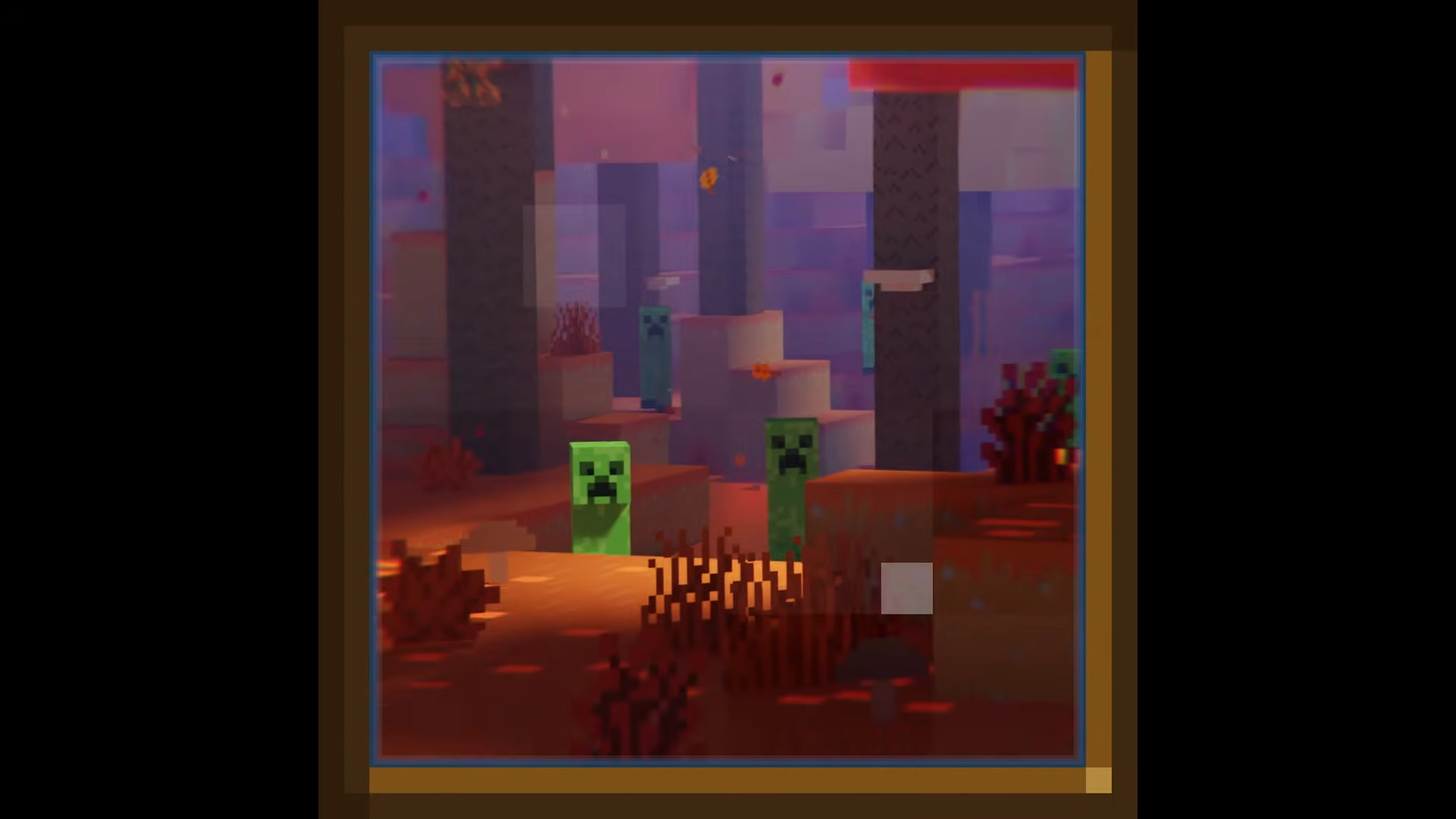
Dappled forest biome: poplar trees, red shrubs, and shelf mushrooms
The dappled forest generates near cold biomes, so look toward taiga and snowy terrain rather than jungles. Rabbits and foxes live here, along with the cold variants of farm animals. Fallen trees show up more often than they do in other forests, which makes the ground clutter the main visual hook.
- Poplar trees with randomly assigned red, orange, or yellow leaves
- Patches of coarse dirt and leaf litter across the forest floor
- Red shrubs, a bush variant that stays red even after you replant it elsewhere
- Brown mushrooms, shelf mushrooms, and sparse spruce trees
Poplar gets the complete wood treatment. Planks, stairs, slabs, signs and hanging signs, buttons, pressure plates, doors, fences, fence gates, trapdoors, a shelf, and both boat variants. Stripped logs and stripped wood are there too, and poplar leaves can be smelted into leaf litter if you want the ground cover without waiting for it to drop.
Shelf mushrooms grow on standing and fallen poplar trees in two sizes. Bone meal turns a small one into a large one, and breaking a large one gives you two mushrooms back. They attach only to full block faces, they bounce when something lands on them, and they work as an ingredient in mushroom stew, suspicious stew, and rabbit stew.
Abandoned camps and the new explorer maps
Abandoned camps are surface structures that generate across a long list of Overworld biomes, including meadow, cherry grove, forest, birch forest, old growth birch forest, flower forest, windswept forest, dappled forest, taiga, snowy taiga, old growth spruce and pine taiga, sparse jungle, bamboo jungle, swamp, savanna, wooded badlands, and pale garden.
Every camp centers on a tent built from white wool stairs, straw beds, and fences that change with the biome. Around it you might find a stone shelter, a pond, a crop farm, a lone tree, or overgrown leaves and cobwebs. Loot sits in chests and barrels, plus a hidden oxidized copper chest if you dig around.
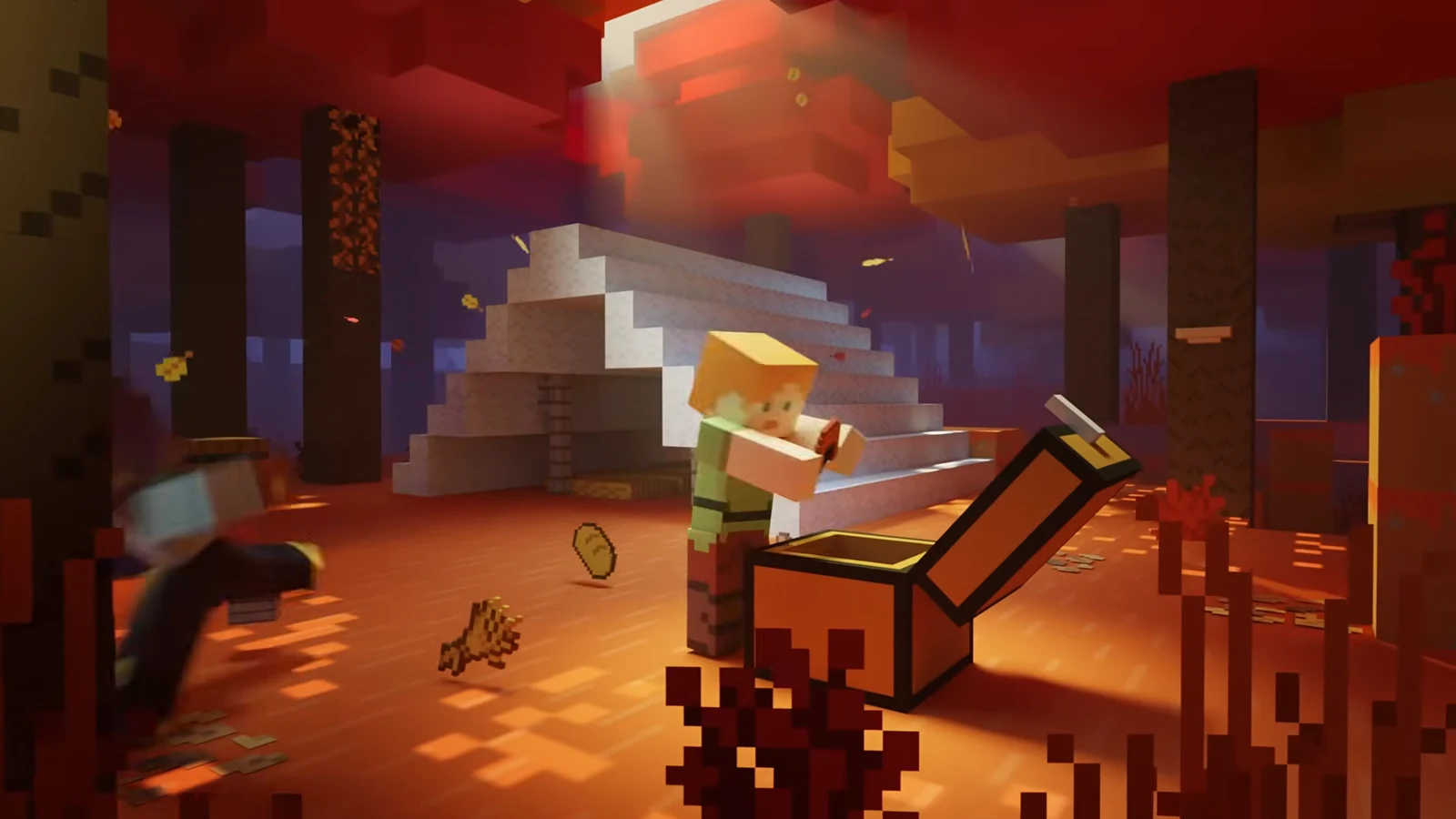
The maps are the reason to open every container. Common chests hold abandoned camp maps in eight biome flavors, while the hidden copper chest carries maps pointing at four established structures.
| Chest | Map type | Leads to |
|---|---|---|
| Common chests | Abandoned camp maps (8) | Bamboo jungle, cherry grove, birch forest, dappled forest |
| Common chests | Abandoned camp maps (cont.) | Flower forest, pale garden, swamp, windswept forest |
| Secret copper chest | Buried ancient city map | Ancient city |
| Secret copper chest | Buried mineshaft map | Mineshaft |
| Secret copper chest | Desert pyramid map | Desert pyramid |
| Secret copper chest | Warm ocean ruins map | Warm ocean ruins |
Explorer maps also got new item icons so you can tell at a glance where each one points, and the player marker now shows rotation even when you wander past the edge of a map.
Straw beds and cushions: how they work
The straw bed is the single most useful addition for anyone who explores far from home. It lets you sleep through the night without changing your spawn point, which means no more accidentally resetting your respawn a thousand blocks out. Three hay bales craft four of them, and they stack to 16.
A straw bed is single use. It breaks after one sleep, and using one in the Nether or the End destroys it rather than exploding, unlike a regular bed.
Cushions are decorative entities rather than ordinary blocks, and they behave accordingly. Three wool slabs of one color make a cushion, all 16 colors are available, and they stack to 16. You can place them on any surface at any height and sit on them, but they pop off when a piston moves them or when the block underneath disappears or turns to liquid. Both straw beds and cushions generate naturally inside abandoned camps.
Concrete and wool stairs and slabs in all 16 colors
Two block families that builders have wanted for years finally got shaped variants. Concrete stairs and slabs come in every one of the 16 concrete colors and can be crafted normally or cut in a stonecutter, which is the cheaper route. Wool stairs and slabs cover all 16 wool colors as well, and wool slabs double as the crafting ingredient for cushions.
| Item | Made from | Notes |
|---|---|---|
| Straw bed | 3 hay bales | Yields 4, stacks to 16 |
| Cushion | 3 wool slabs | 16 colors, stacks to 16 |
| Concrete stairs and slabs | Concrete | Crafting table or stonecutter |
| Wool stairs and slabs | Wool | All 16 colors |
Smaller changes worth knowing
- Hay bale texture updated, with the strap moved down a pixel to line up with the straw bed
- Spruce leaves no longer produce falling leaf particles
- Poplar leaves drop their own colored falling particles, at the same rate as pale oak and cherry
- Poplar leaves attached to a log with at least three matching leaf neighbors emit ambient sounds
How to update and confirm you have Wilderness Bound
One caveat applies to worlds you have already been playing in. New biomes and structures only appear in freshly generated chunks, so a dappled forest will not overwrite terrain you have already explored. Walk far enough into unloaded territory, or start a new world, and the poplars turn up on their own.