

Phantom Blade Zero, S-GAME’s action game on PC via Steam, looks like a souls-like from its first screen. A healing gourd and health bar sit bottom-left, and a Remnant Dust counter sits bottom-right. Under the hood, the resemblance holds up in most places. It breaks in a few spots that matter, especially how forgiving it is about spending and difficulty.
Quick answer: Yes. It uses the main souls-like systems: Bells that heal and save, Remnant Dust currency, limited healing flasks and parry-heavy boss fights. Difficulty is selectable, including an easier Wayfarer mode.
| Souls-like system | In Phantom Blade Zero |
|---|---|
| Checkpoints that heal and refill healing | Yes, Bells |
| Currency from enemies spent on growth | Yes, Remnant Dust (refundable) |
| Limited healing refilled at checkpoints | Yes, Medicine flasks |
| Timing-based defense and guard break | Yes, parry, Perfect Dodge, Sha-Chi |
| Death penalty | In 66 DAYS mode, a day lost per death plus a buff or debuff |
| Selectable difficulty | Yes, four modes incl. Wayfarer |
| Fast travel only between checkpoints | Yes, Bells in the current region |
Bells are Phantom Blade Zero’s checkpoints
Bells are the game’s checkpoints. The tutorial puts it plainly: “Touch the Bell to restore HP and Medicine. The first touch reveals new areas on the map.” The game has 152 bells spread across its nine regions.
Interacting with a Bell opens a menu with these options:
- Traverse: fast travel
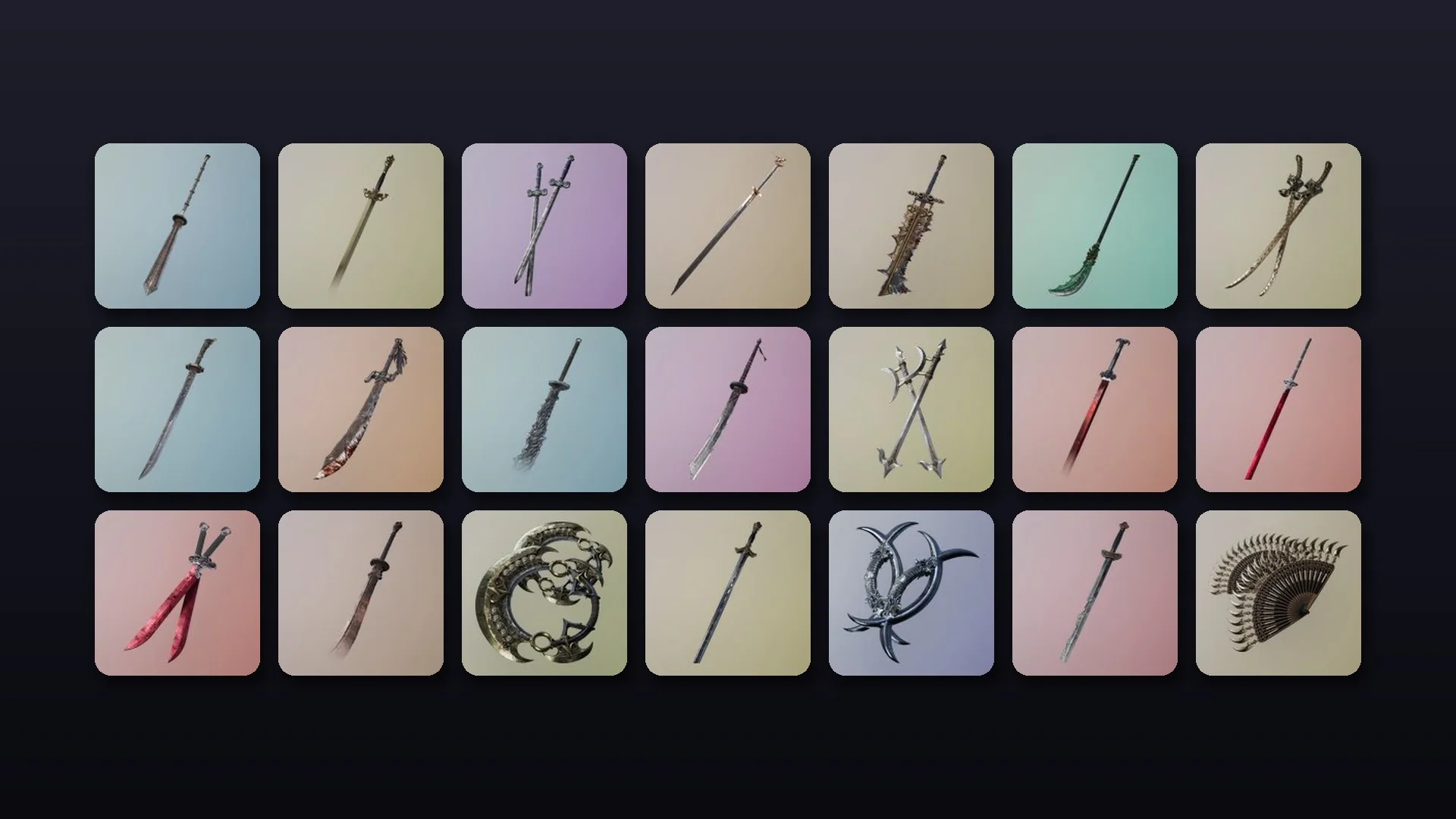
- Upgrade Equipment: weapon upgrades, Weapon Soul Temper, Upgrade Medicine, Polish Accessory
- Train Abilities
- Save: the manual save
- Restore Heart
- Leave
Bells at the hideout of the merchant Quick Hand Zhang add a Store option. Fast travel has the same limits a souls-like veteran would expect. The game states “Fast travel is only available at Bells.” and “Can only fast travel to Bells within the current region.”
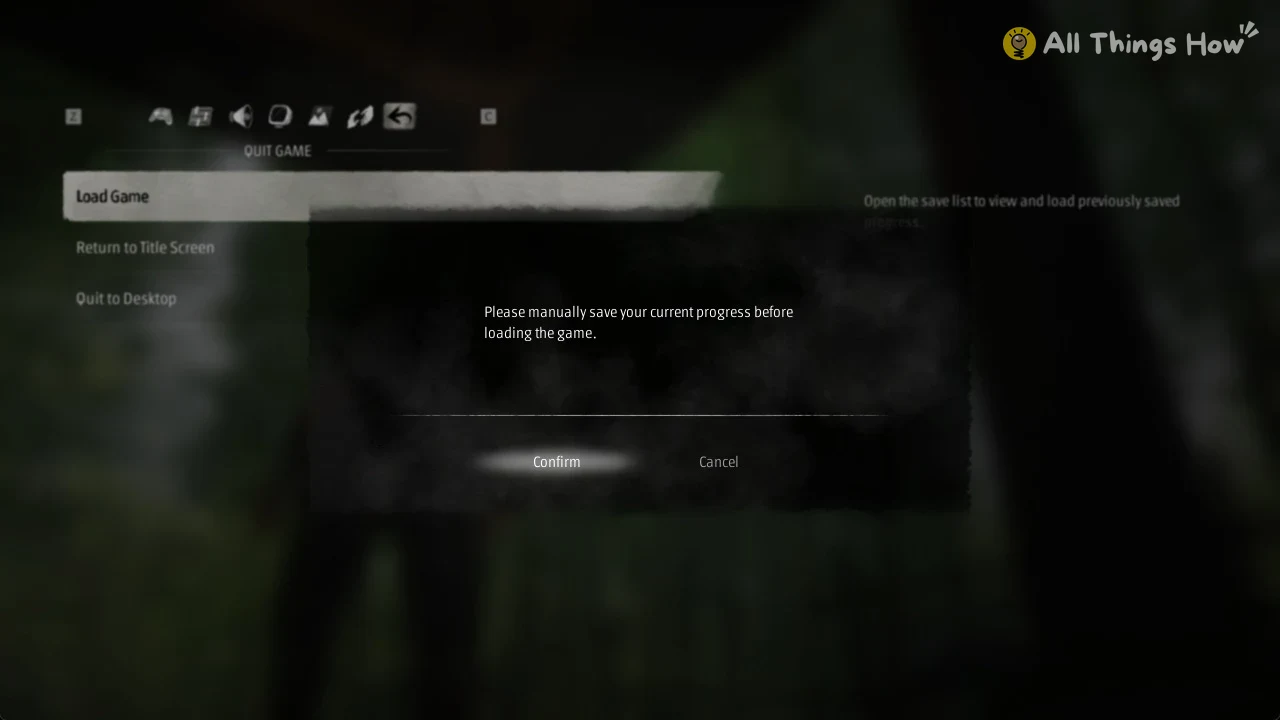
Before loading another save via pause, QUIT GAME, then Load Game, the game prompts “Please manually save your current progress before loading the game.” Manual saves happen at a Bell. Each save slot lists chapter, difficulty, an AUTO tag, date and play time. Our Phantom Blade Zero save file location guide covers where those saves live on PC.
Remnant Dust: the currency you can get back
Enemies leave behind Remnant Dust, which you use to improve your abilities. The Ability Training screen says “Use Remnant Dust to activate abilities you’ve unlocked!” Upgrading a weapon or Phantom Edge requires Remnant Dust as well as upgrade materials. Your starting counter is 0.
Here Phantom Blade Zero departs from many souls-likes, because spending isn’t permanent. Resetting Ability Training “will reset all Ability Training and refund every Remnant Dust and Banyan Heart spent”. A weapon or Phantom Edge can also be reverted to Lv. 1 to “refund materials and Remnant Dust”. A bad build choice costs you a reset, not a replay.
Remnant Dust also covers Restore Heart at a Bell. The option spends Remnant Dust “to restore Heart Damage.”
Healing with Medicine flasks
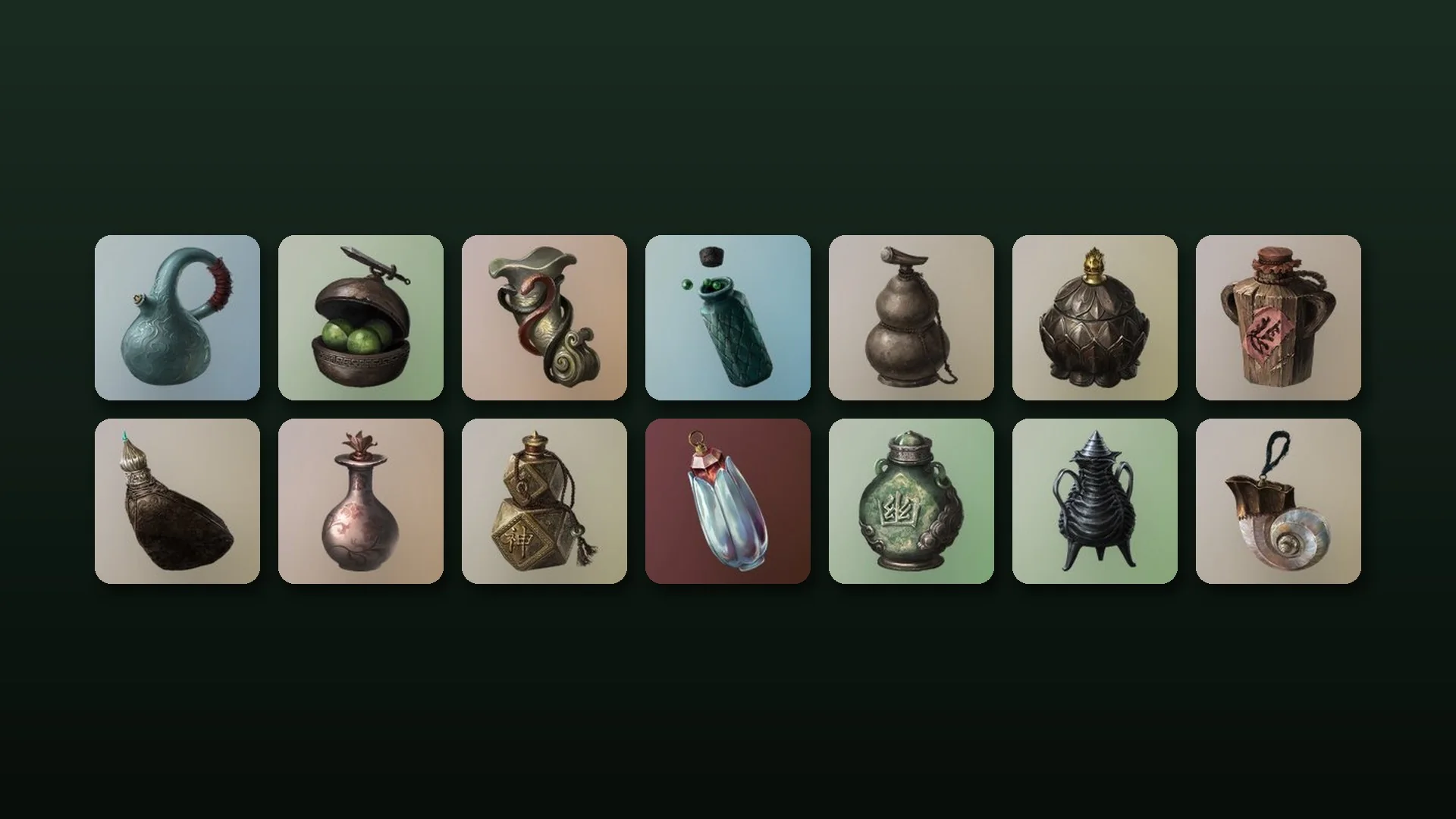
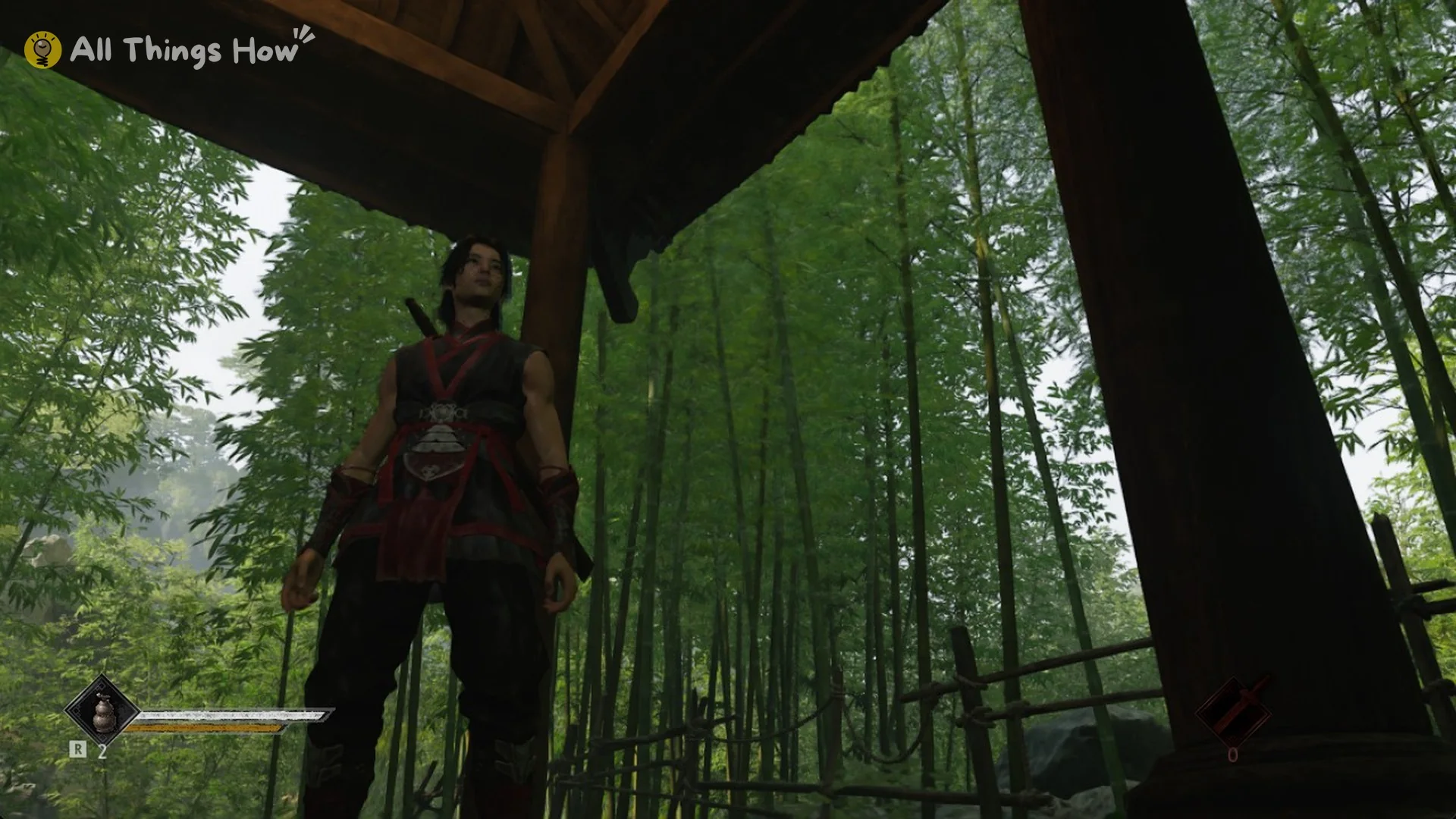
Healing is limited and tied to checkpoints, as in a souls-like. The gourd on the HUD shows a count of 2 at the start of the prologue. R uses the Healing Flask and T uses the second flask, Secret Medicine. The game notes you “Can equip two Medicine Flasks.”
Touching a Bell refills Medicine. To get more out of your flasks, pick Upgrade Medicine under Upgrade Equipment at any Bell.
Combat: Sha-Chi, parries and Blue-flash vs. Red-flash attacks
Sha-Chi is the guard meter, and it works both ways. On your side, “Guard Stance continuously drains Sha-Chi” and “Blocking attacks drains additional Sha-Chi”. On the enemy’s side, standard combos wear down their Sha-Chi until they’re “Guard-Broken”.
Parrying is the better way to defend. Press Block “just before an enemy attack lands”. The tutorial adds, “Parry does not consume Sha-Chi. Instead, it severely depletes the attacker’s Sha-Chi”. Enemy attacks are color-coded for your response:
| Attack | Your response | Input |
|---|---|---|
| Blue-flash | Parry | Block just before it lands |
| Red-flash | Perfect Dodge | Dodge just before it lands |
Two more Sha-Chi rules shape fights. Power Surge consumes one Sha-Chi Essence. Switching weapons restores Sha-Chi, but it has a short cooldown.
Zuo Shang is the prologue’s opening boss, announced by the prompt “Defeat Zuo Shang!” This encounter teaches parrying, responding to Blue-flash attacks with a parry, and Perfect Dodging Red-flash attacks.
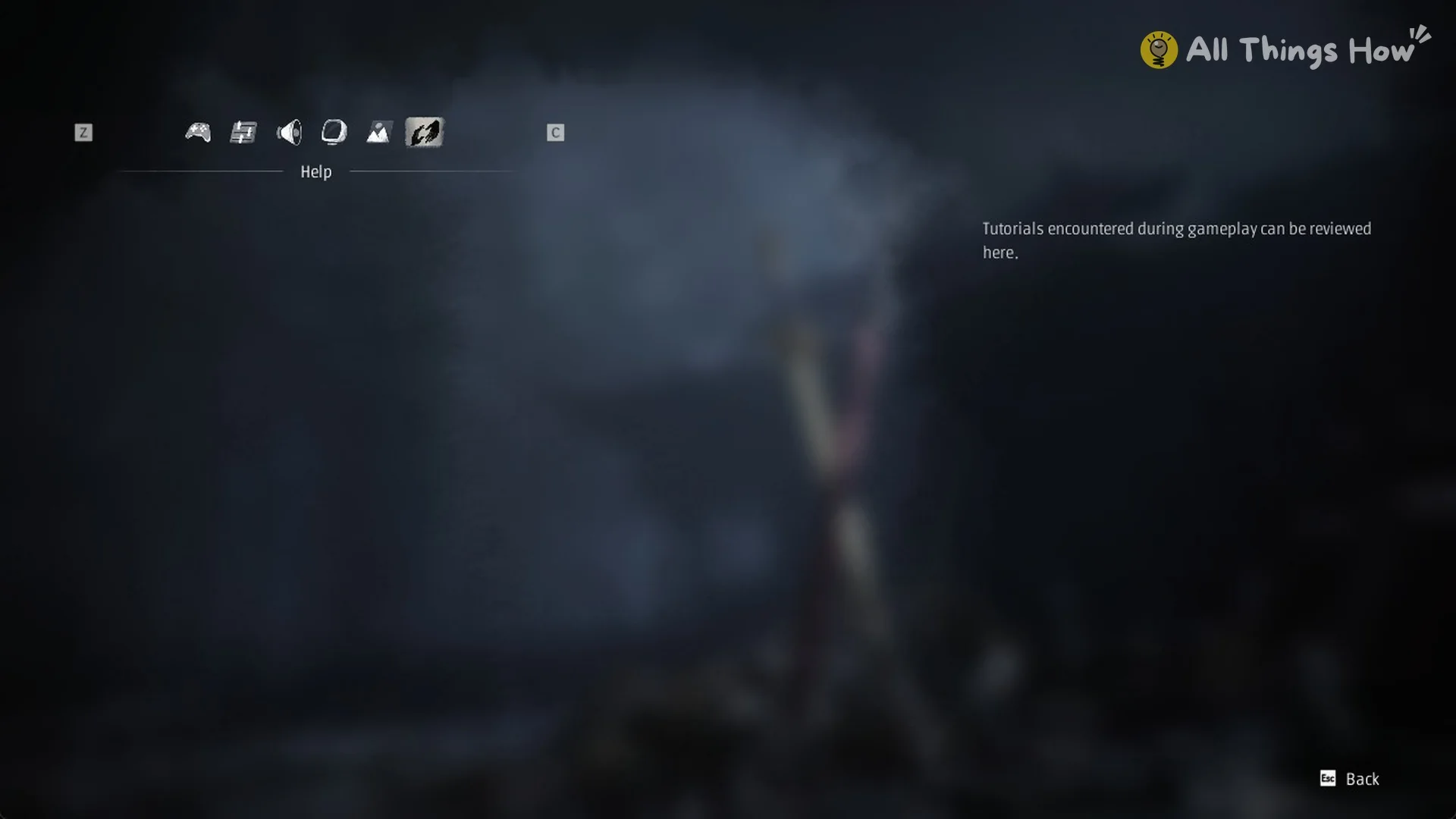
Missed a tutorial mid-fight? Settings has a Help tab: “Tutorials encountered during gameplay can be reviewed here.” They’re grouped under Exploration, Offense and Defense. The full key list is in our Phantom Blade Zero controls guide.
What happens when you die in Phantom Blade Zero
Death brings up a screen reading “DEAD”. The heavier death penalties belong to 66 DAYS mode only. There, each death costs one day: the death screen shows a “Days Remaining” count and a “Buff Level” line, and reads “All Heart Damage has been restored, but time has permanently advanced by” a day. The Buff Level effect is one of four, higher or lower Attack or higher or lower Guard Break, and it is replaced at your next death. Run out of days and the run ends with “Death’s End: Lost to the Wulin”. On WAYFARER, PATHBREAKER and HELLWALKER, deaths do not count down days.
Sha-Chi Essence, the resource Power Surge spends, is also at stake. One Ability Training node reads “Retain Sha-Chi Essence upon death.”
Heart Damage is a separate system handled at Bells through Restore Heart, paid for in Remnant Dust. In 66 DAYS mode, deaths are capped at 66; our Phantom Blade Zero difficulty modes guide explains every mode and how 66 Days unlocks.
Phantom Blade Zero difficulty modes
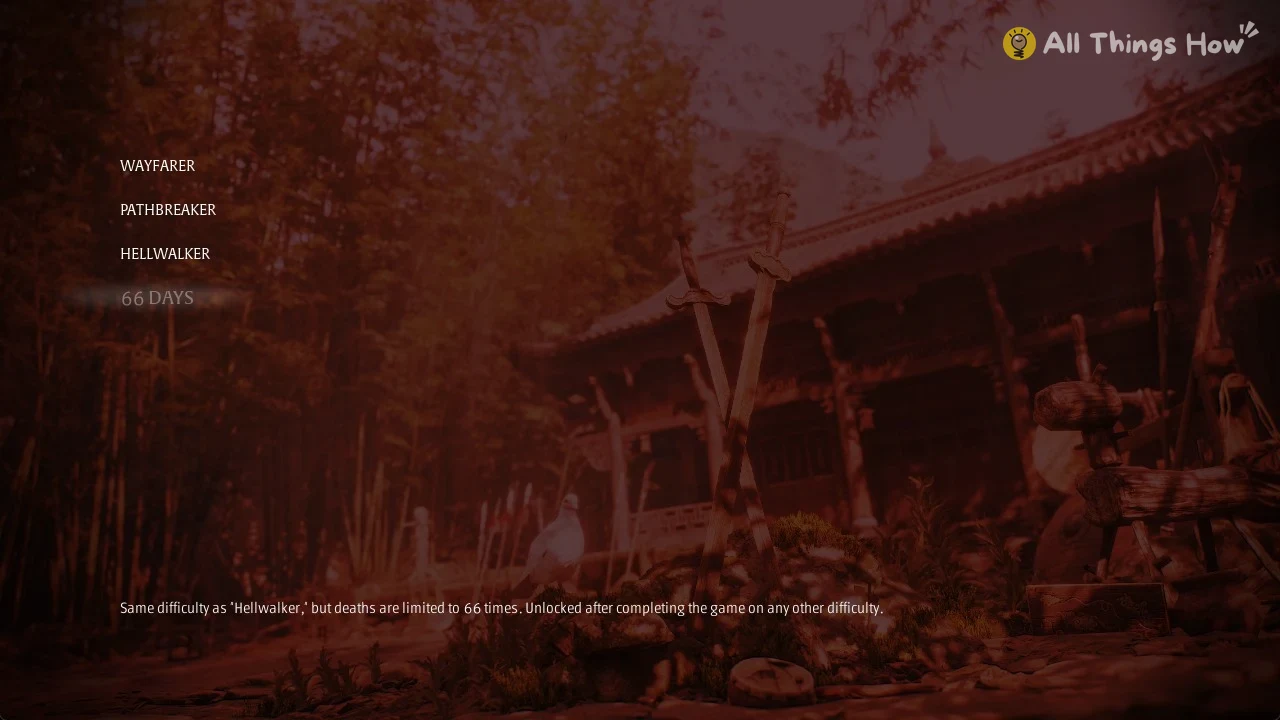
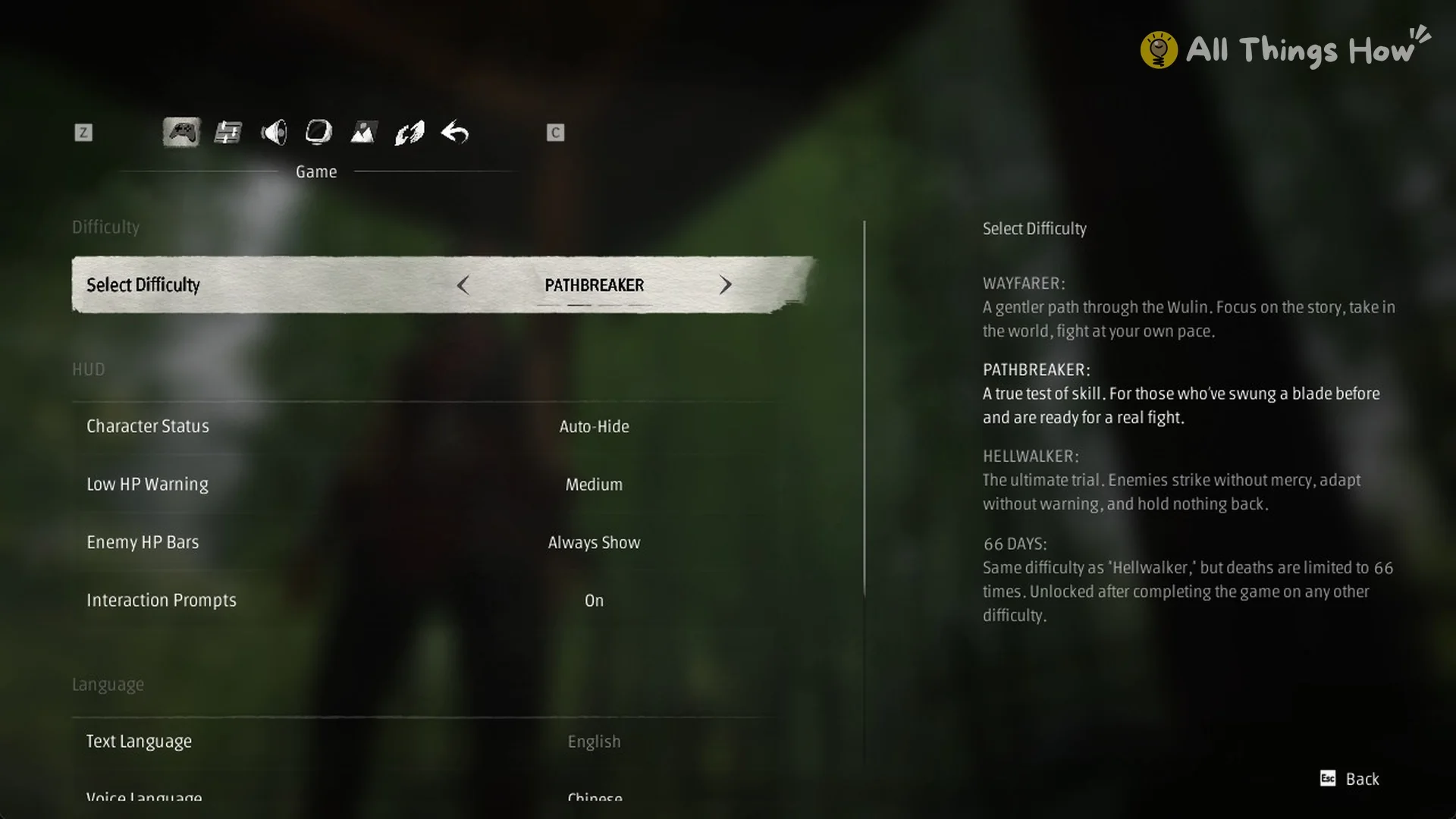
Most souls-likes don’t let you pick a difficulty. Phantom Blade Zero asks at New Game and highlights PATHBREAKER by default.
| Mode | Notes |
|---|---|
| WAYFARER | The easier mode |
| PATHBREAKER | Default selection |
| HELLWALKER | Selectable at start |
| 66 DAYS | Locked at first |
The 66 DAYS description reads “Same difficulty as ‘Hellwalker,’ but deaths are limited to 66 times. Unlocked after completing the game on any other difficulty.”
You can change difficulty later from the pause menu under Settings, then the Game tab, then Difficulty, then Select Difficulty, as shown below. Picking WAYFARER has consequences. After you choose it, that run’s difficulty can no longer be changed, the full-game achievements for PATHBREAKER and HELLWALKER lock, and 66 DAYS stays locked. If those achievements matter to you, choose before you commit.
For how the world itself is laid out, see is Phantom Blade Zero open world.