
Topic
AI
Artificial Intelligence explores how machines simulate learning, reasoning, perception, language understanding, creativity, and autonomous decision-making. In games, AI shapes smarter systems, more dynamic interactions, and new development workflows that expand how interactive worlds are built and played. | Release Date: 1956 | Developer: John McCarthy, Marvin Minsky, Nathaniel Rochester, and Claude Shannon | Platforms: Computer systems, software applications, robotics, and game development tool
-
DeepSeek V4 GGUF Status: What Runs Locally and What Doesn’t
Both V4-Pro and V4-Flash ship pre-quantized in FP4+FP8, which limits how far GGUF conversions can shrink them.
-
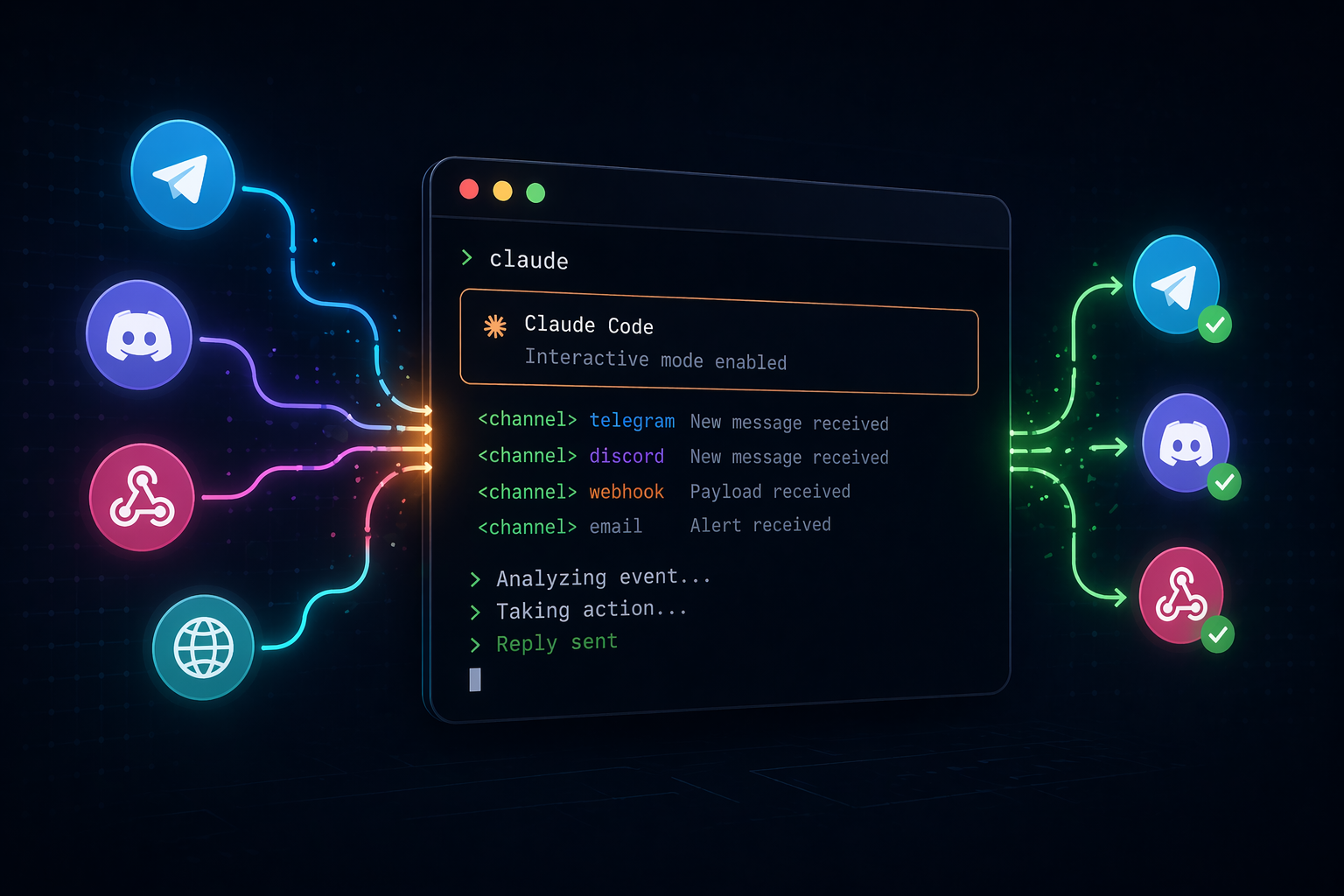
Claude Code Channels: How to Push External Events Into a Live Session
A plain-language walkthrough of what channels do, the platforms supported, and how permission relay works on your phone.
-
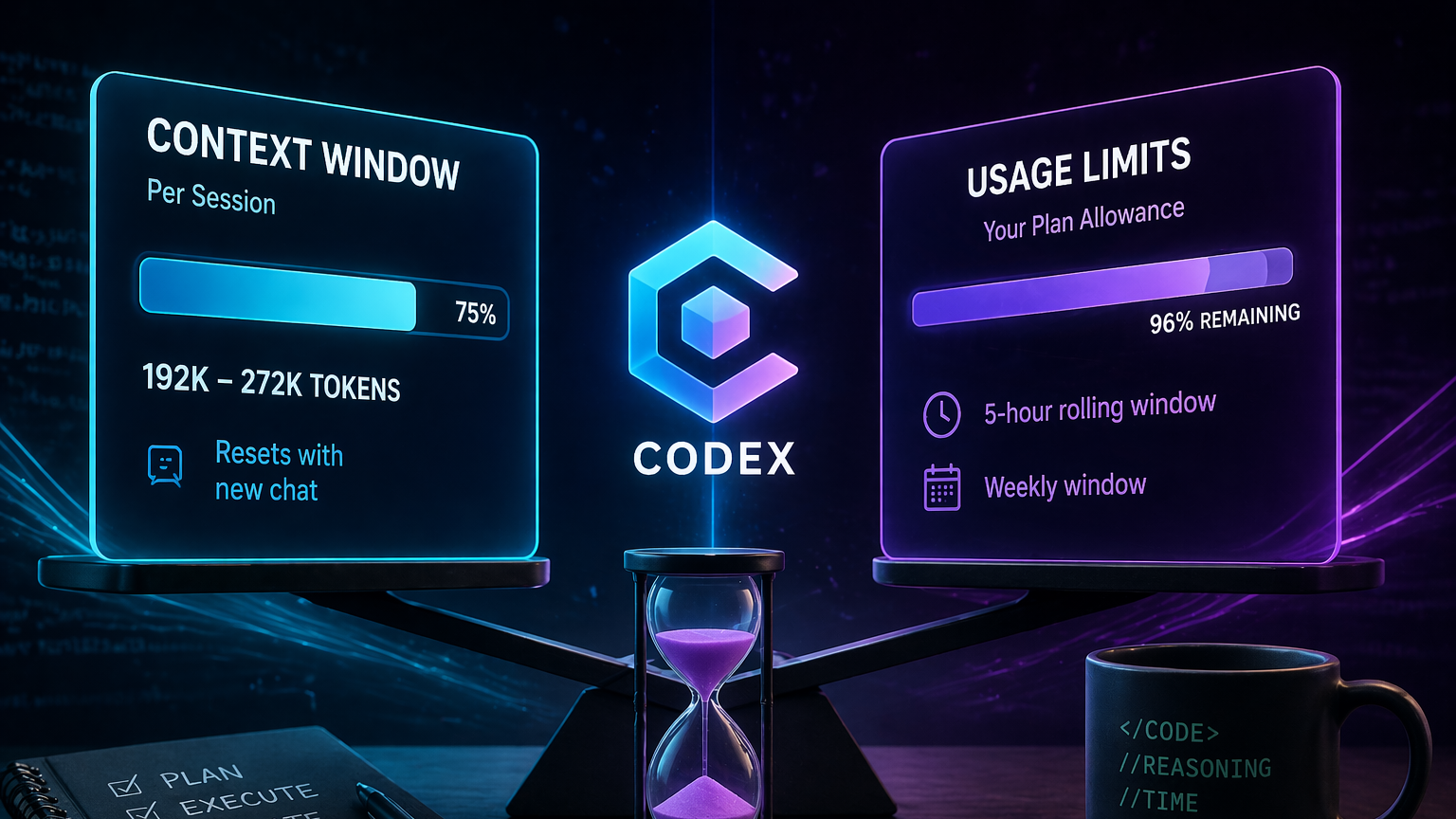
Codex Token and Rate Limits Explained for ChatGPT Plans
How Codex measures usage, what each ChatGPT plan includes, and why reasoning time now drives most of the drain.
-
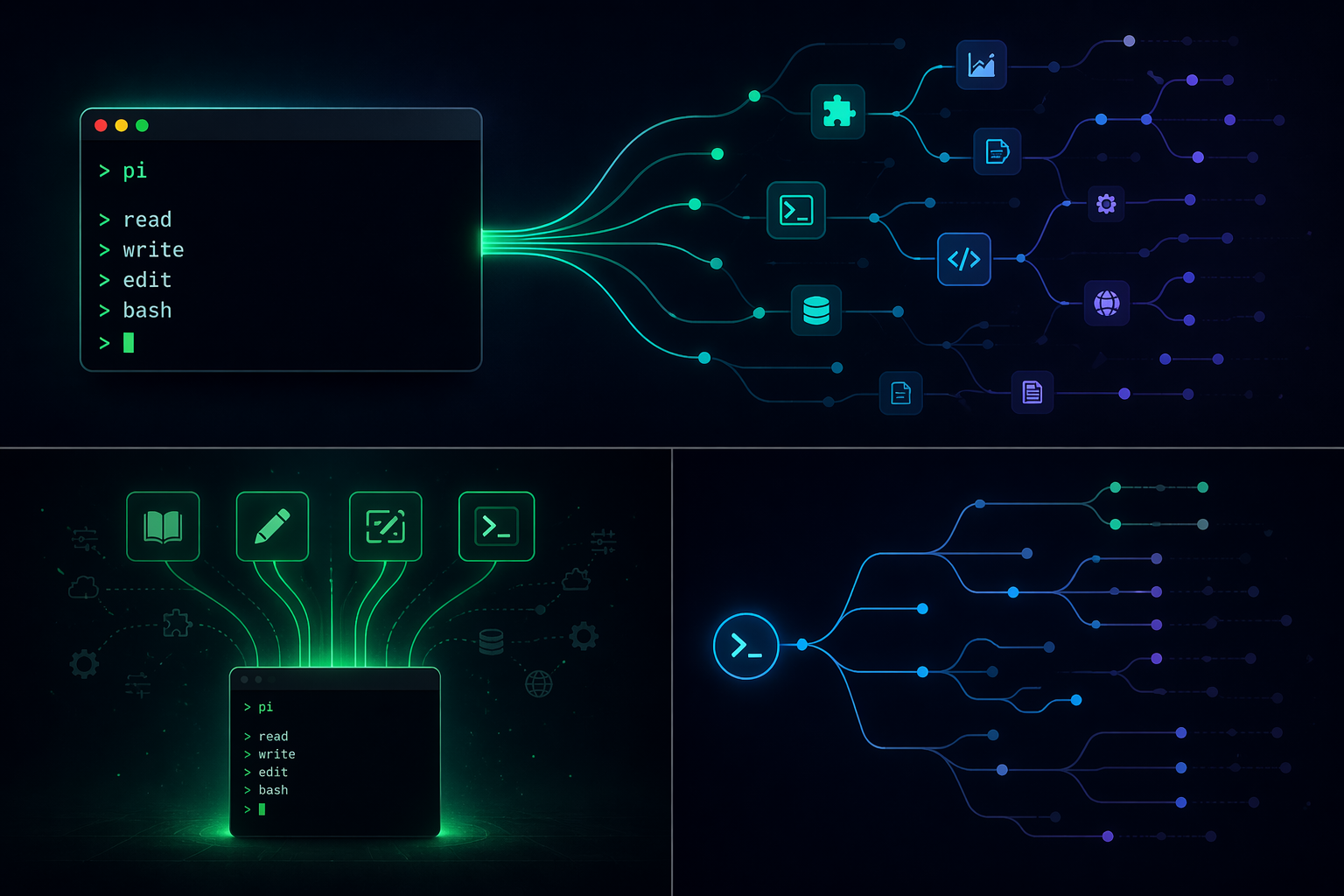
Pi coding agent: The minimal terminal harness you extend yourself
A small-core CLI agent built around four tools, TypeScript extensions, and tree-structured sessions.
-
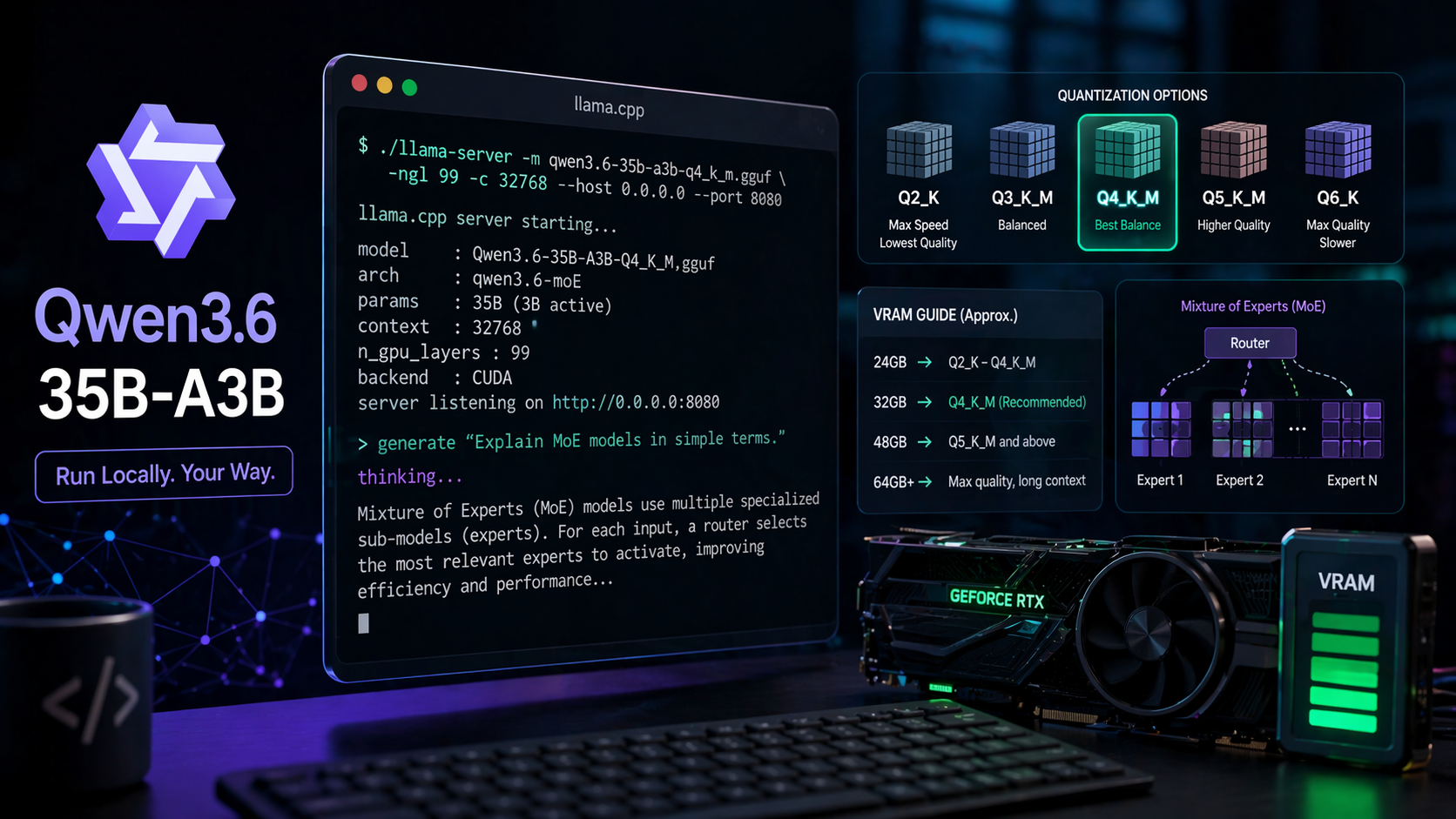
Qwen3.6-35B-A3B GGUF: Quants, Sizes, and How to Run It
A practical reference for running the 35B-A3B mixture-of-experts model locally with llama.cpp-compatible GGUF builds.
-
Claude Code usage limits explained: Pro, Max, and weekly caps
How the session and weekly caps work, what drains them fastest, and how to stretch your quota.
-
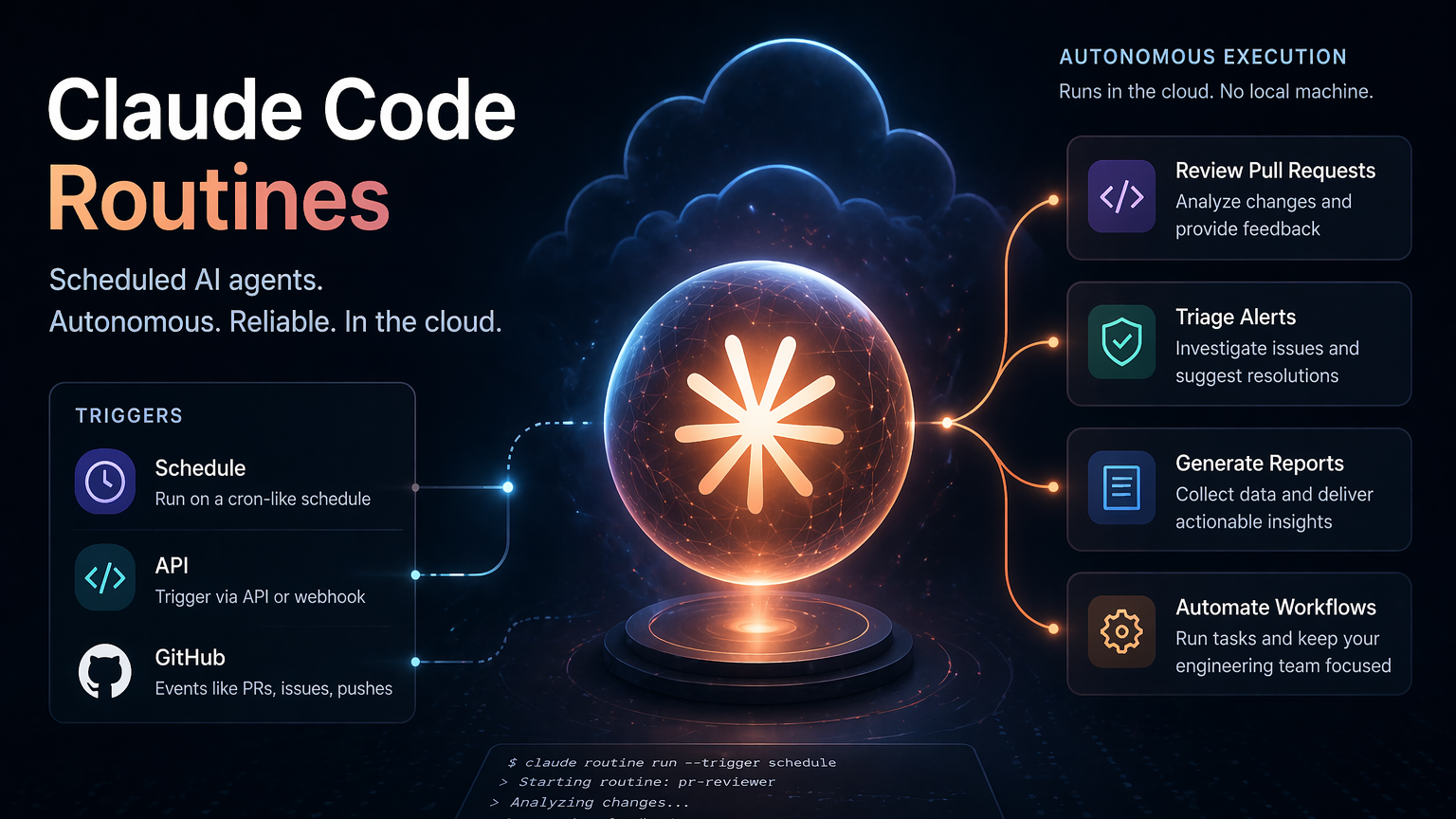
Claude Code Routines: How Anthropic’s Scheduled AI Agents Work
Anthropic’s research preview lets Claude Code run on schedules, GitHub events, or HTTP calls from cloud infrastructure without a local machine.
-
OpenClaw Feishu Plugin Error: Cannot Find Module ‘@larksuiteoapi/node-sdk’
A packaging bug strips the Lark SDK from OpenClaw installs, breaking Feishu onboarding until you downgrade or reinstall the dependency manually.
-
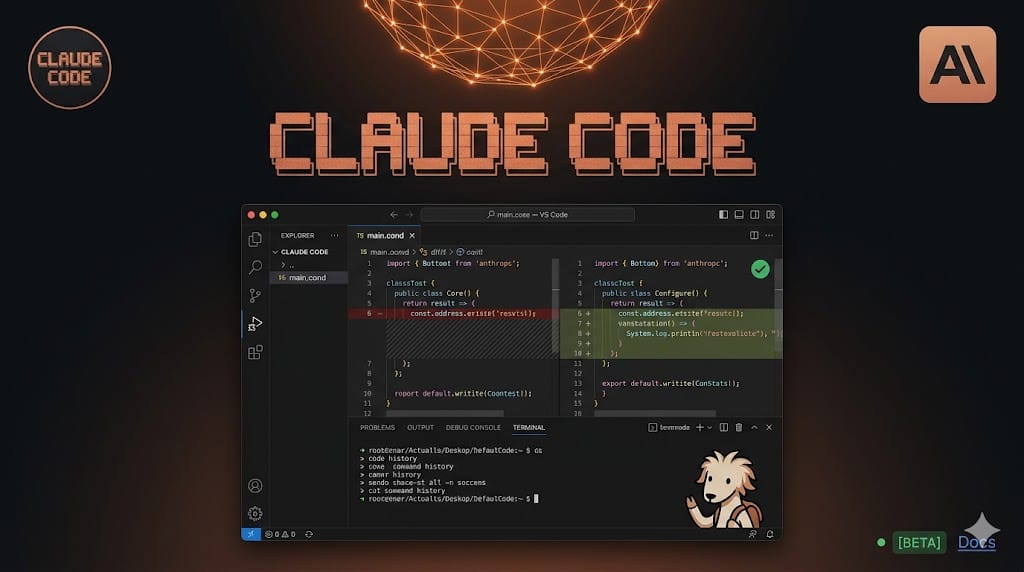
Claude Code Skills on GitHub: How to Find, Install, and Build Them
A practical map of the Claude Code skills ecosystem, from Anthropic’s official repo to community marketplaces and your own SKILL.md.
-
Kimi K2.6: What Moonshot AI’s new open model actually does
Moonshot AI’s trillion-parameter MoE model targets long-horizon coding, agent swarms, and native INT4 inference.